
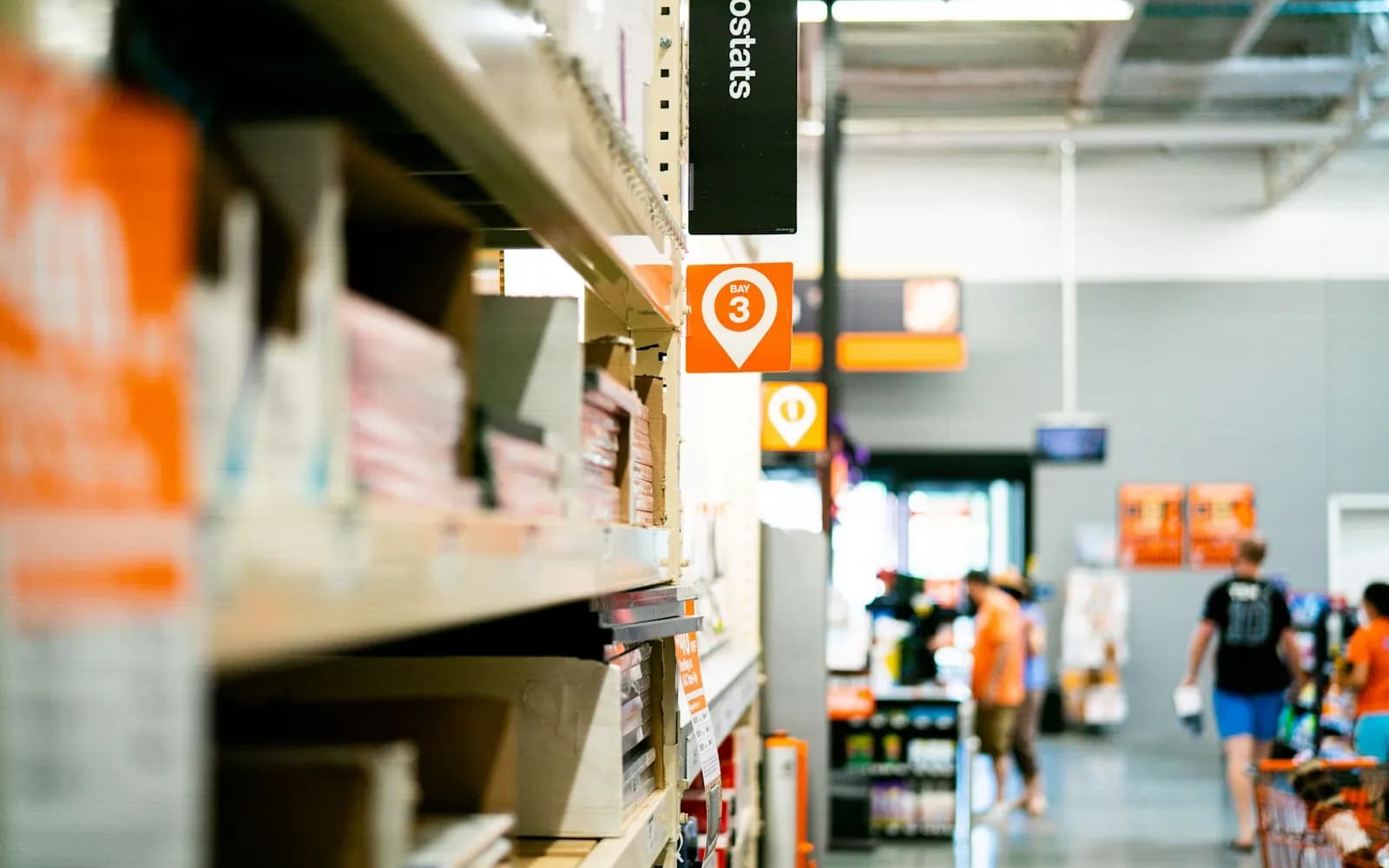
From delivery truck to shelf
A pallet jack moves the delivery from the truck into the stockroom, and a stacker lifts pallets to the upper shelving levels in narrow aisles where a forklift will not fit.
Industries · Retail and wholesale
Deliveries every day, mixed goods and tight back rooms. Move stock quickly and keep the shop floor tidy.
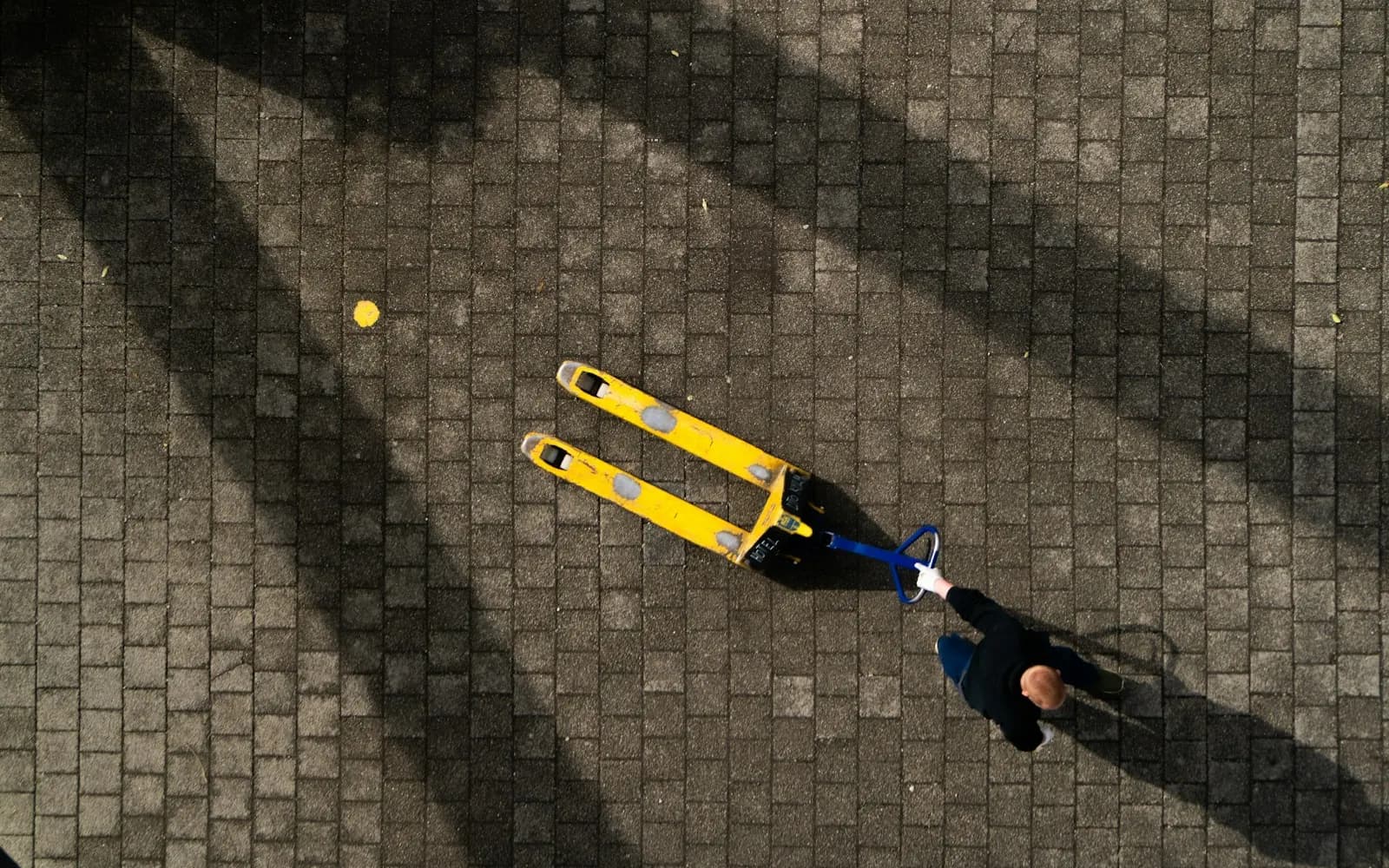
Back rooms and stockrooms are tight. Pallet jacks and stackers move deliveries and stock where a forklift cannot turn, and with far less noise near customers.
A pallet jack moves the delivery from the truck into the stockroom, and a stacker lifts pallets to the upper shelving levels in narrow aisles where a forklift will not fit.
Compact, slow equipment is safer in spaces staff and customers share. Keep routes clear, and move stock outside the busiest opening hours wherever possible.
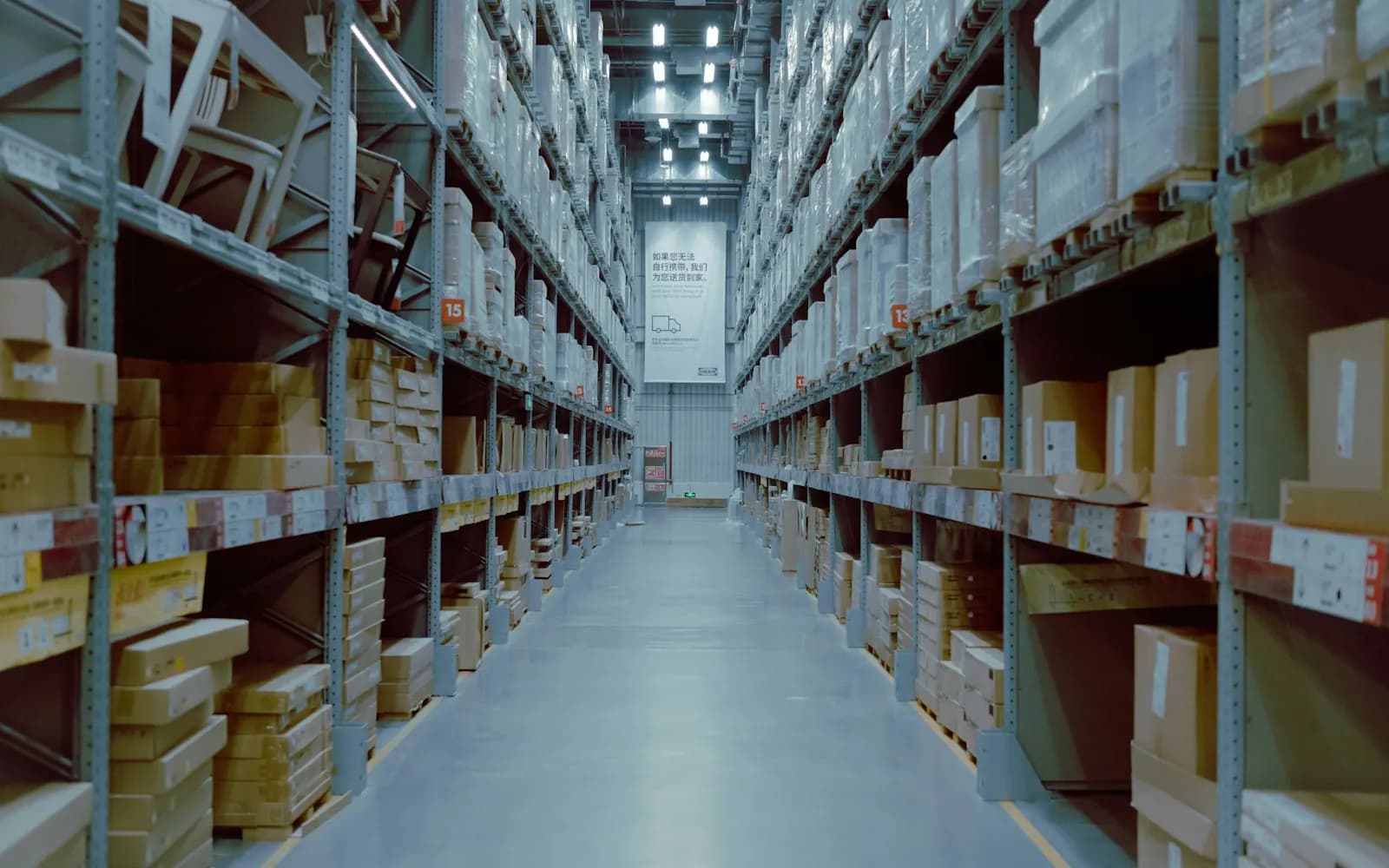
Shelving planned around your product range keeps stock visible, within reach and easy to count. A back room with the right shelving restocks the shop faster.
Shelf depth and spacing should match your cartons and pallet sizes. Fast sellers belong near the shop door at easy reach; slow-moving stock can go higher and further back.
Every shelf location labelled and kept free of stray stock makes restocking quicker, stock counts more accurate and lost stock easier to find.
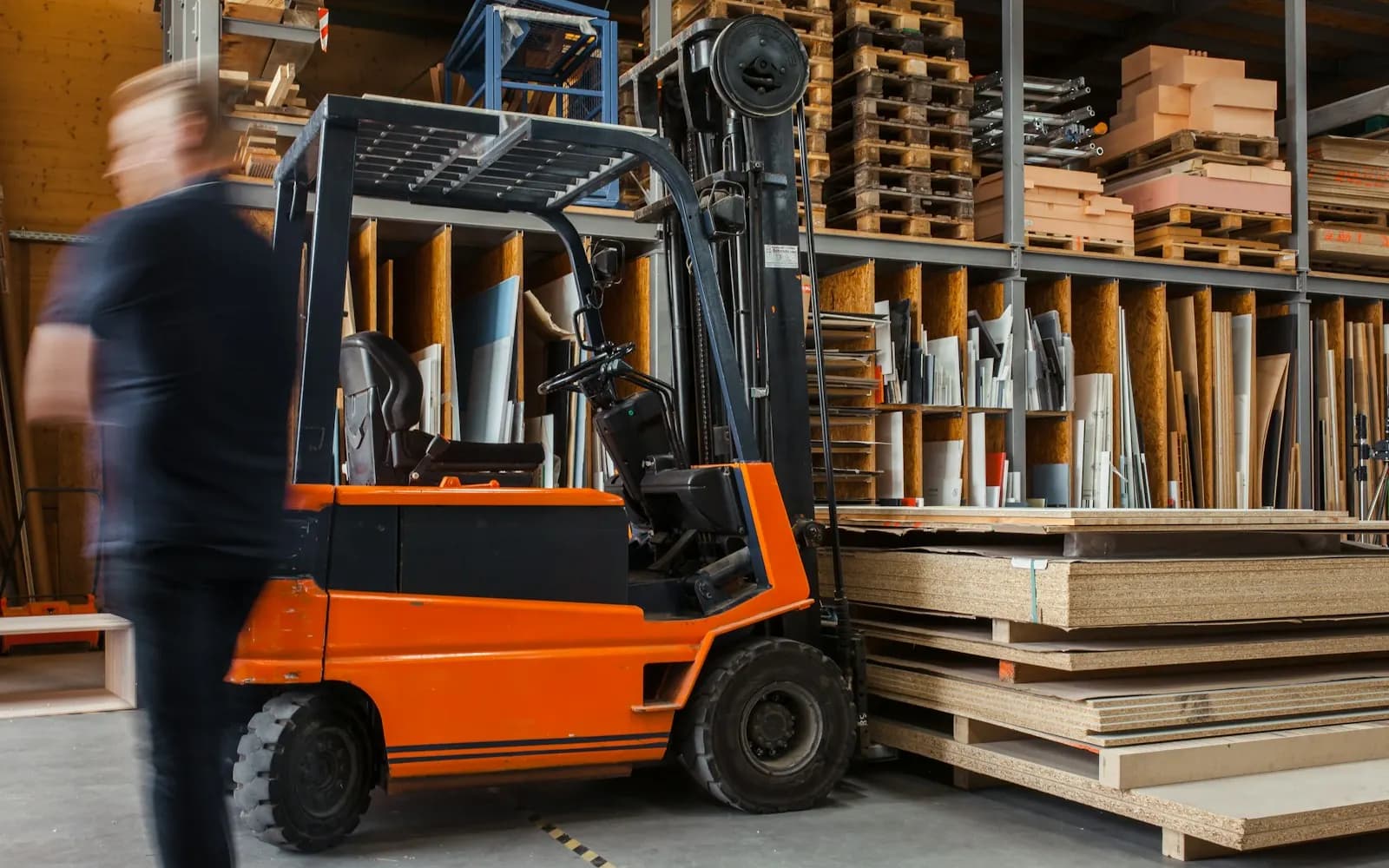
Wholesalers move full pallets in and out every day. A forklift sized for your heaviest pallet and your highest rack keeps both the warehouse and the delivery yard moving.
Choose capacity for your heaviest regular pallet at your highest lift, and check what the truck can lift at that height, not only at ground level, where the rating is highest.
If the truck works in the yard as well as inside, its tyres and power must suit both surfaces. Tell us where it will drive, including ramps and rough ground.
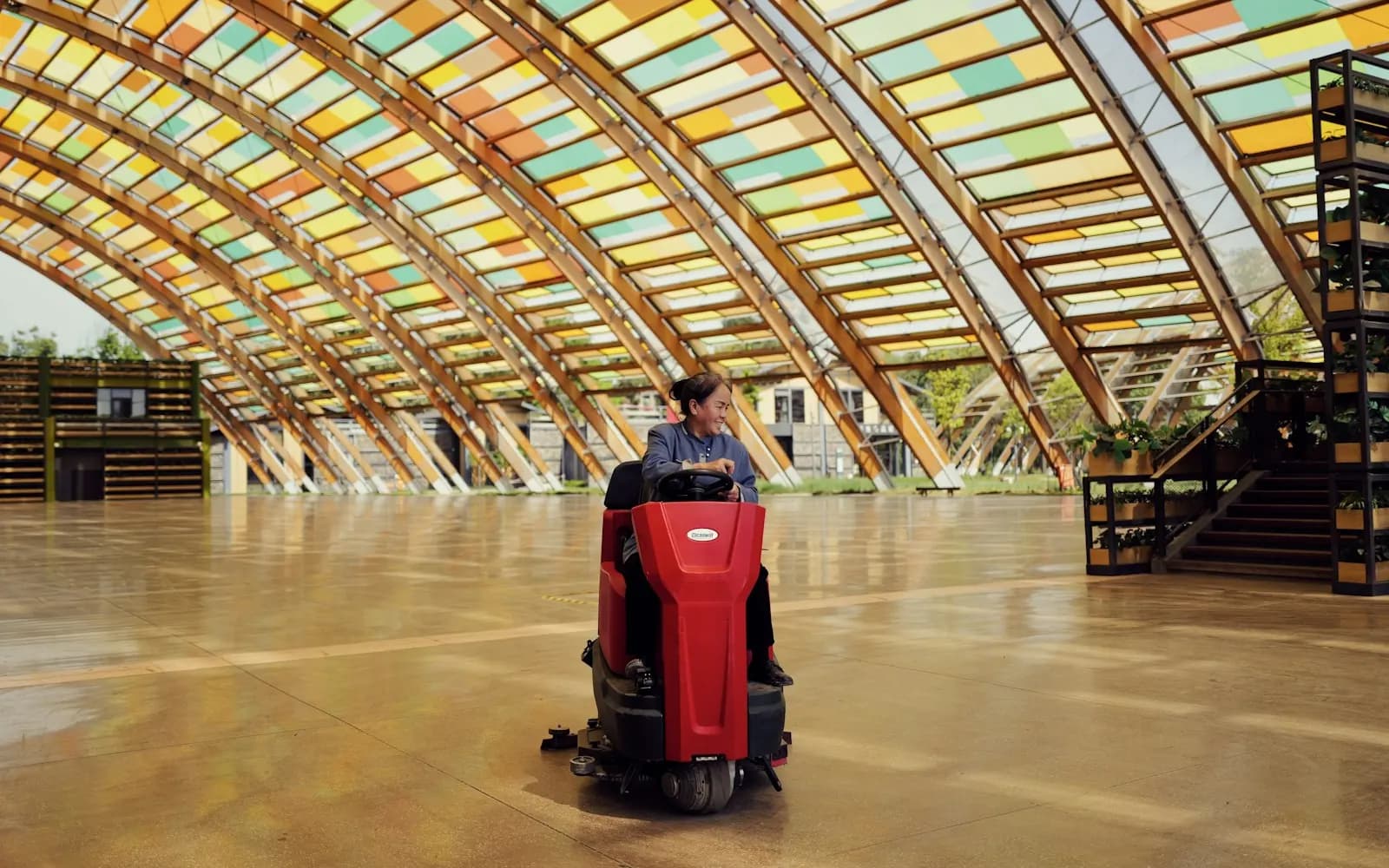
A shop floor is part of every customer's first impression. Nilfisk scrubber dryers clean the aisles before opening and leave the floor dry and safe to walk on.
A scrubber dryer cleans the aisles in a fraction of the time a mop needs and leaves no wet patches, so the shop is ready and safe when the first customers arrive.
Battery machines with low noise can clean up spills during opening hours, without cables across the aisles or the smell of a wet mop in the shop.
Step 1
Loads, hours, site and what is slowing you down.
Step 2
An advisor looks at floors, aisles, ramps and docks with you.
Step 3
Rent, buy new or used, or a mix, with the quotation in writing.
Step 4
Maintenance, parts and batteries from the same team after delivery.
Send these and an advisor can recommend the right equipment the first time.
Tell us about your operation and we reply with a recommendation and a quotation.