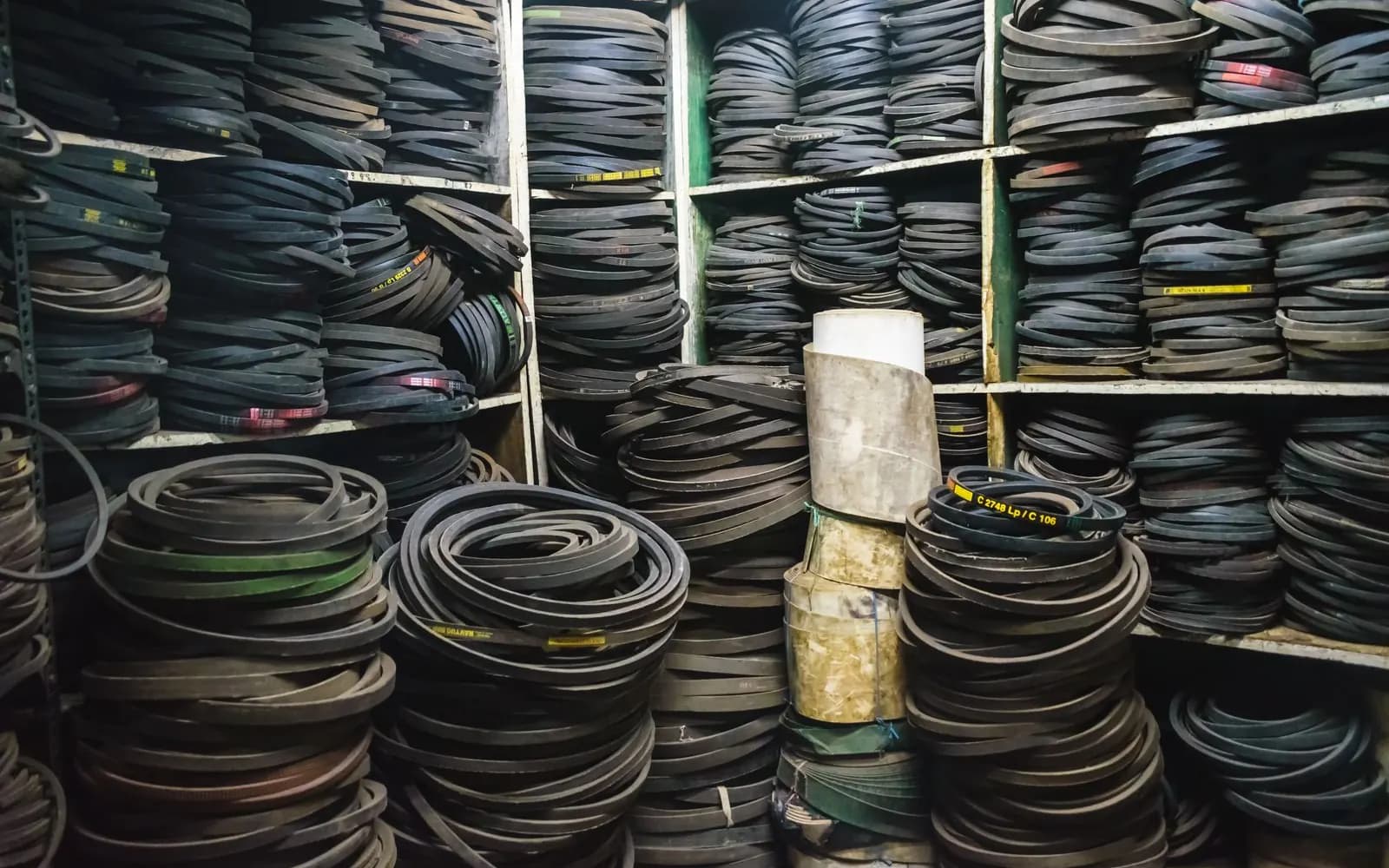
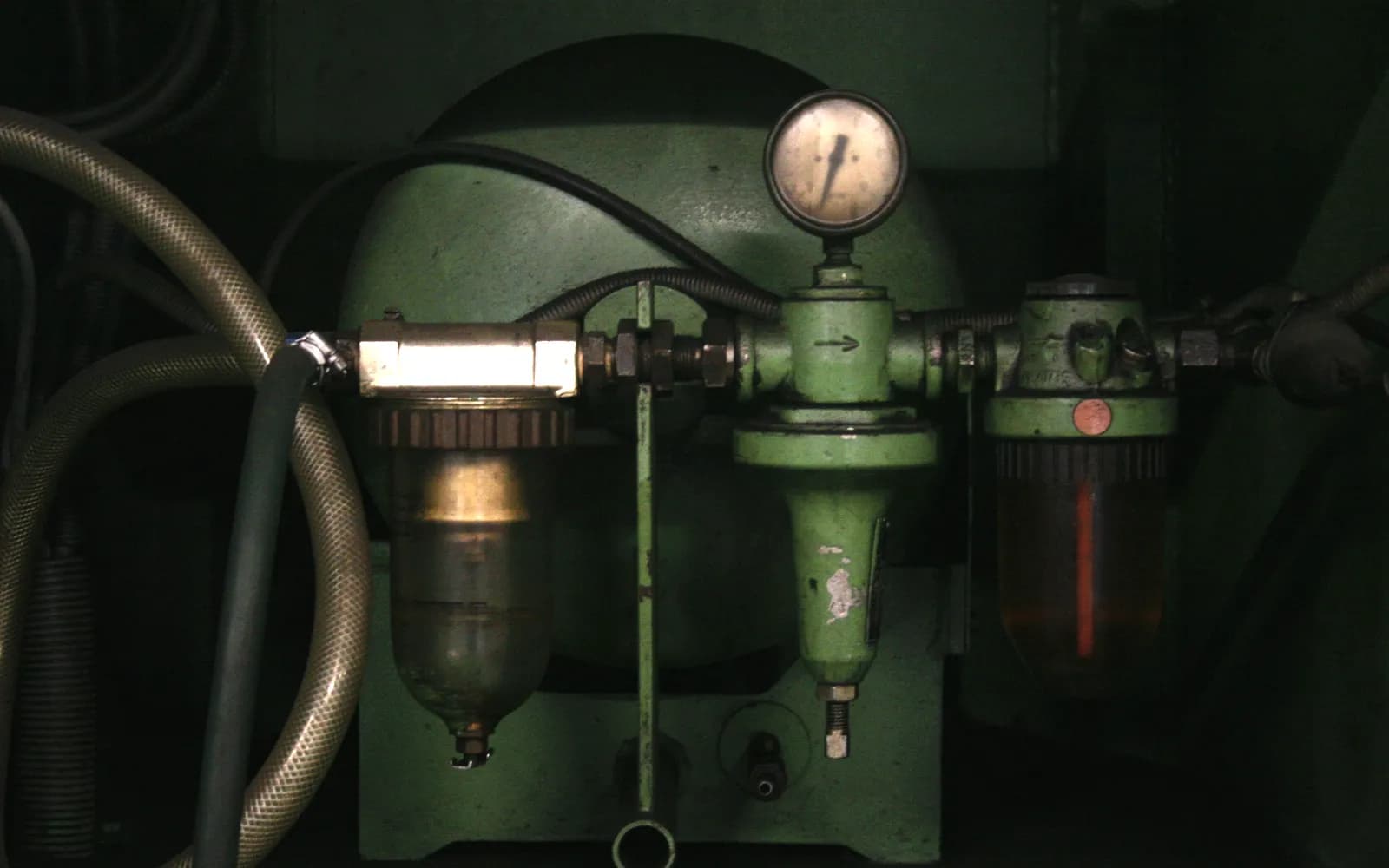
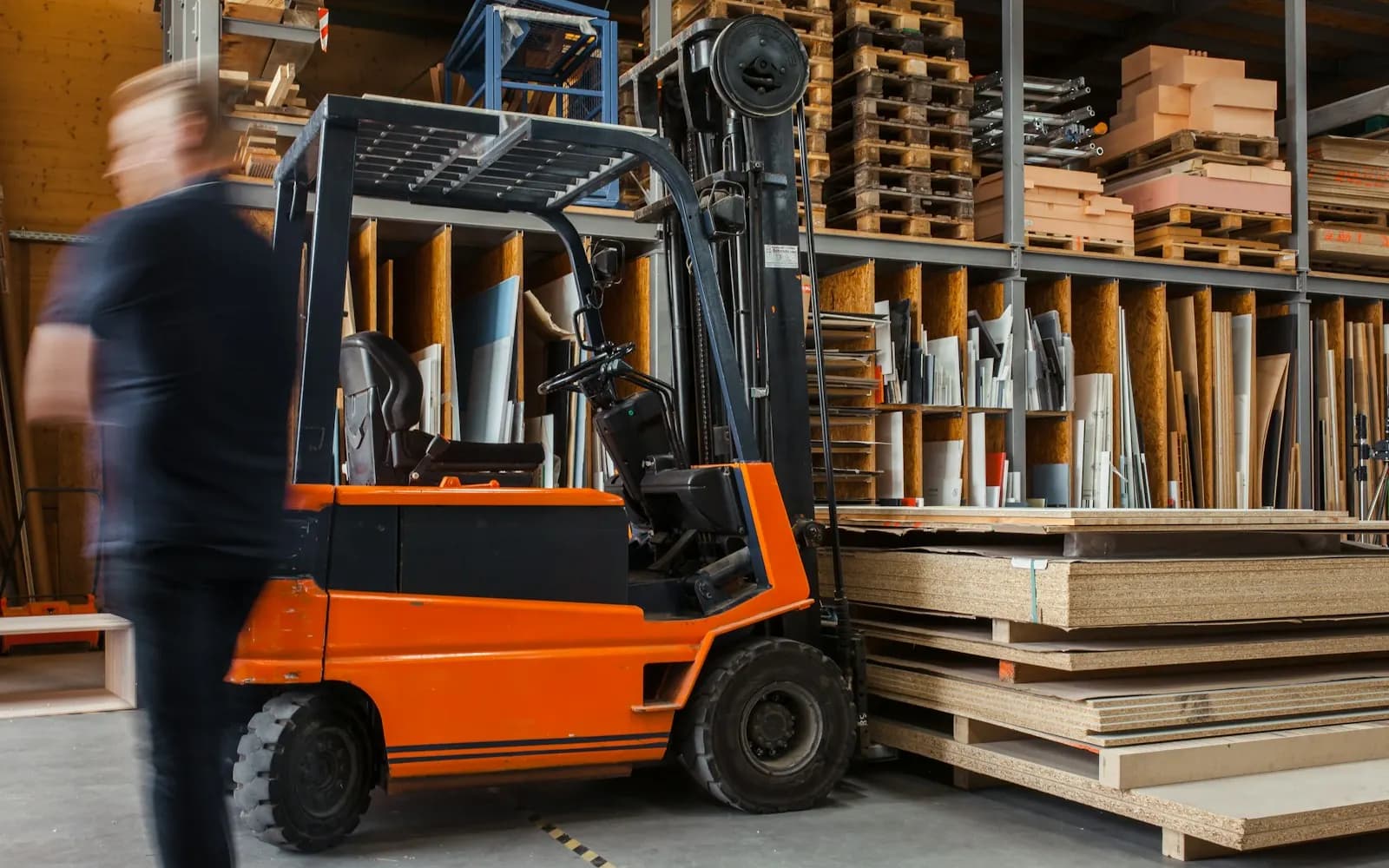
Filters and fluids are among the cheapest parts on a forklift, and they protect the most expensive ones. Clean filters and fresh, correct fluids keep the engine, hydraulic pump and transmission working the way they were designed to.
Engine oil, air, fuel, hydraulic and transmission filters, together with the engine oil, hydraulic fluid, coolant and brake fluid your truck's maker specifies. Send the model and serial number and the right set is matched, so a scheduled service is not held up waiting for one missing filter.
Why the intervals matter
A blocked filter starves the engine or pump, and old or wrong fluid wears seals and bearings from the inside. Power loss, overheating and slow hydraulics can often be traced back to a filter change that was skipped.
Electric trucks need them too
Electric forklifts have no engine oil, but their hydraulic system still depends on the correct fluid and a clean filter, so they belong on the same service plan as diesel and LPG trucks.
Change sooner than planned if you see
Dark or low fluid at the daily check
Leaks under the truck
Loss of power or overheating
Slow or noisy lifting
Hot, dusty or heavy-duty work
Tyres and wheels
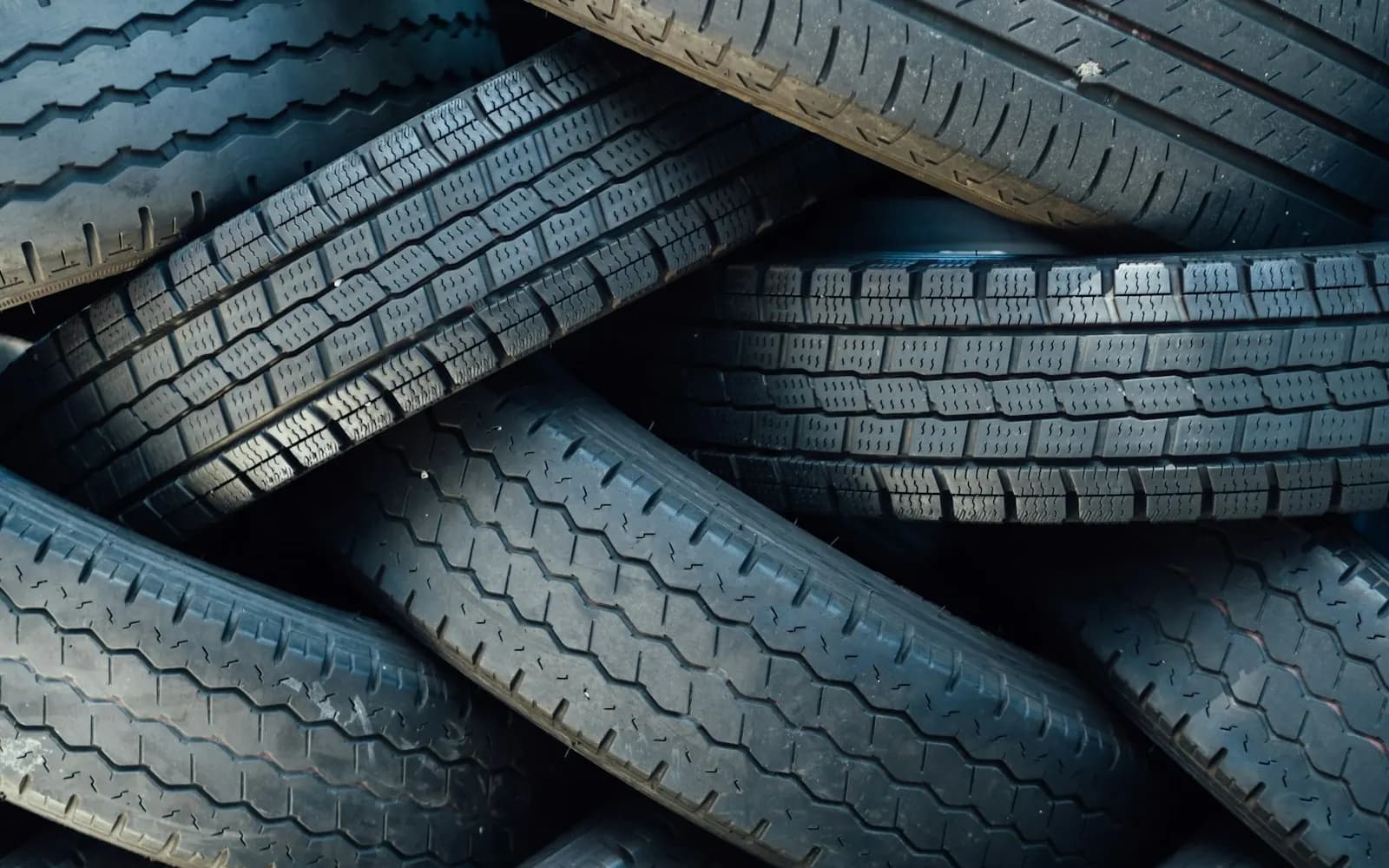
Tyres carry the truck and everything on its forks. As they wear, grip and braking drop and the truck becomes less steady when it lifts and turns, so worn tyres are a safety issue, not only a comfort one.
Pneumatic, air-filled tyres cushion the ride and give more ground clearance on outdoor yards, ramps and uneven surfaces, but they can puncture. Solid and press-on tyres cannot puncture and last longer on smooth warehouse concrete. The right choice depends on where each truck spends its day.
When to replace
Replace a tyre when the tread reaches its wear line, when chunks break away from it, after deep cuts or a puncture, or when the truck starts to vibrate or pull to one side. Replacing both tyres on an axle together keeps the truck level and its load stable.
Check tyres every shift for
Tread worn to the wear line
Missing chunks or deep cuts
Low pressure on pneumatic tyres
Loose wheel nuts
Uneven wear from side to side
Forks and attachments
Forks take every load the truck lifts. They wear at the heel and can crack or bend, and a worn fork carries less than its rating. The right attachment, in turn, can make each lift faster and gentler on your goods.
heel wear limit before a fork is replaced (ISO 5057)
Fork arms are supplied in the length and capacity class your truck and carriage need. A fork worn by 10% at the heel, cracked, bent or with uneven tips is taken out of service under ISO 5057, and forks are normally replaced as a pair so both carry the load evenly.
Attachments that save time
A side shifter moves the forks sideways without repositioning the truck, which speeds up loading in tight racking. Fork positioners change the fork spread from the seat for mixed pallet sizes. Clamps handle cartons, appliances and drums without pallets, and rotators tip bins and turn loads.
Keeping capacity right
An attachment adds weight and moves the load further forward, which lowers what the truck can safely lift. Each attachment is matched to the truck, and the capacity plate should show the rating with the attachment fitted.
Have forks checked when you see
A heel that looks thinner or worn
Tips at different heights
Cracks at the heel or hooks
Bent or twisted blades
Hydraulic parts
The hydraulic system lifts, tilts and holds every load. A worn seal or leaking hose shows first as slow, jerky lifting and forks that creep down; left alone, a failing hose can drop a raised load.
Hoses and fittings, seal kits, lift and tilt cylinders, pumps and control valves, matched to your truck's model and serial number. Diesel, LPG and electric forklifts, stackers and reach trucks all lift with hydraulics, so the same parts and checks apply across a mixed fleet.
Why a small leak matters
Hydraulic fluid on the floor is a slip hazard, and a system that is losing pressure cannot hold a raised load securely. Hoses often fail where they rub against the mast or where a shifting load presses on them, so a chafed hose is worth replacing before it splits.
Signs of a hydraulic problem
Fluid under the truck or on the mast
Forks creeping down with a load
Slow, jerky or noisy lifting
Wet, cracked or chafed hoses
A mast that tilts on its own
Lights and safety devices
In a busy warehouse, people often hear a forklift before they see it, and sometimes not at all. Lights, beacons and alarms give pedestrians warning in time, and a fastened seat belt keeps the operator protected if a truck tips.
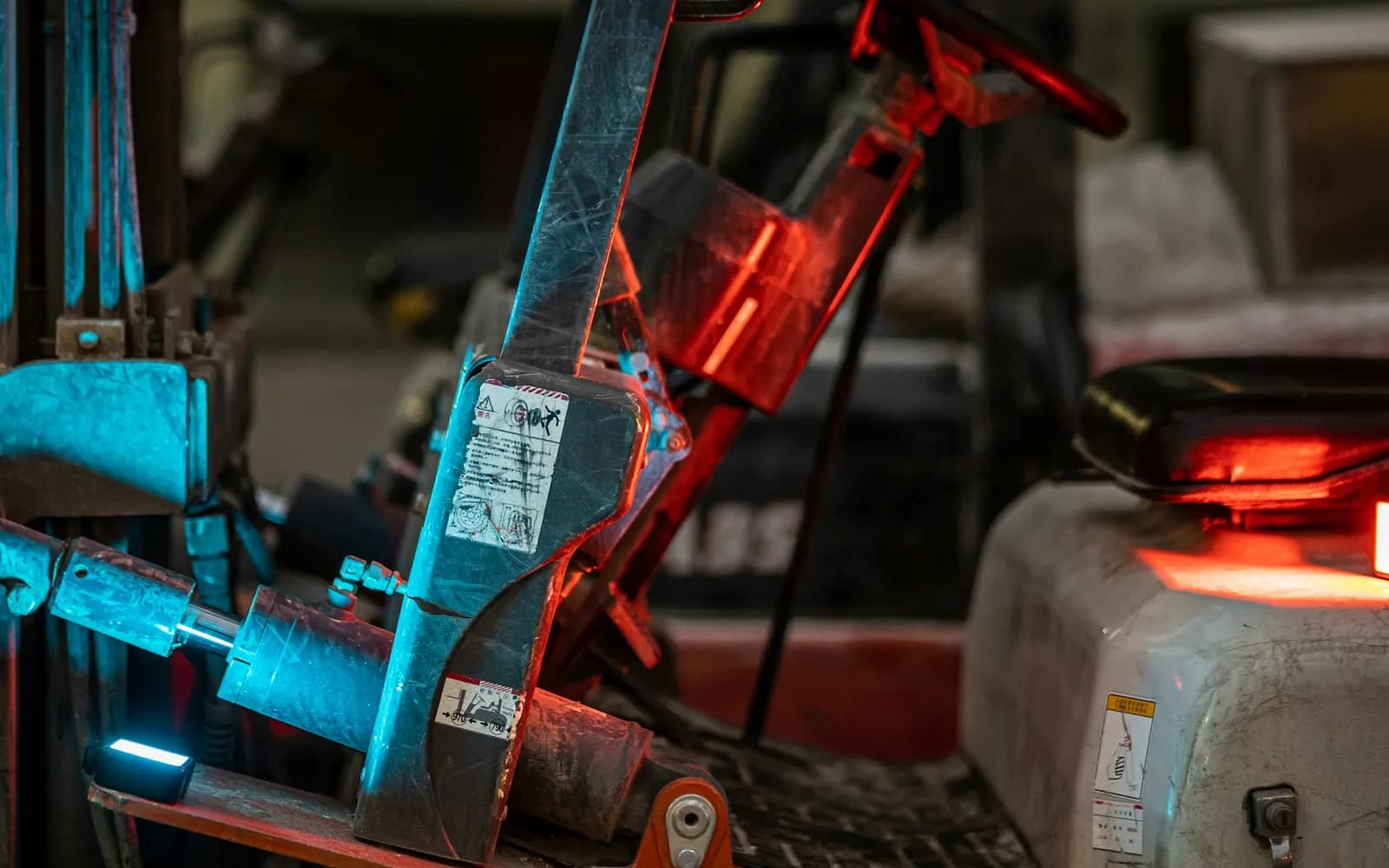
Headlights and work lights light up the load and the route. Flashing beacons mark a moving truck, and blue or red spots projected onto the floor show where a truck is heading before it appears at a corner or a rack end.
Be heard
Reverse alarms and horns warn people behind and beside the truck. They matter most where racking, machinery noise or dock doors block the view.
Stay inside the cab
If a counterbalance forklift tips sideways, the safest place for the operator is inside the overhead guard, not jumping clear. A fastened seat belt keeps them there.
Fit or replace devices when
A light, alarm or belt fails the daily check
Trucks share aisles with pedestrians
Work runs at night or in dim areas
Your site or customers require extra warnings
Request a part
Where to find the serial number
The nameplate on the forklift shows the brand, model and serial number. Send these with your request, or a clear photo of the nameplate, and we match the part.
Need more than a part?
Install and repair
Let our technicians fit the part and check the system it belongs to.