Work out the cleaning time
A machine's theoretical output is its cleaning width times its speed. Real output is well below that because of turns, overlaps and emptying tanks. Divide your floor area by the real rate to see how long each round takes.
Nilfisk Cleaning Equipment
We supply Nilfisk, the Danish cleaning brand since 1906: scrubber dryers, sweepers, vacuums and pressure washers matched to your floor, your area and your routine.
Machines for industry and business, from walk-behind to ride-on. Ask which models are available now.
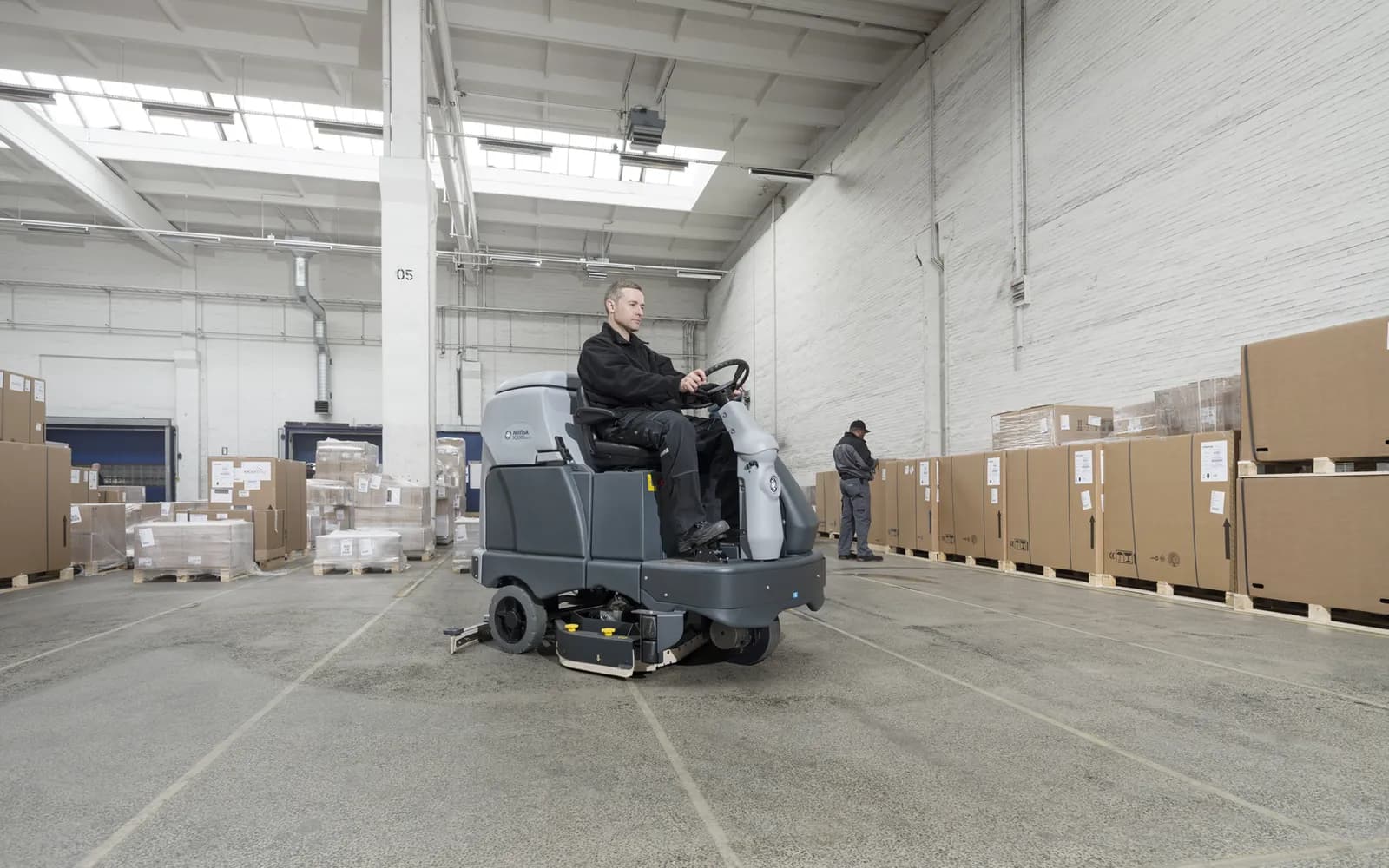
Wash, scrub and dry hard floors in one pass, for warehouses, factories, shops and halls.
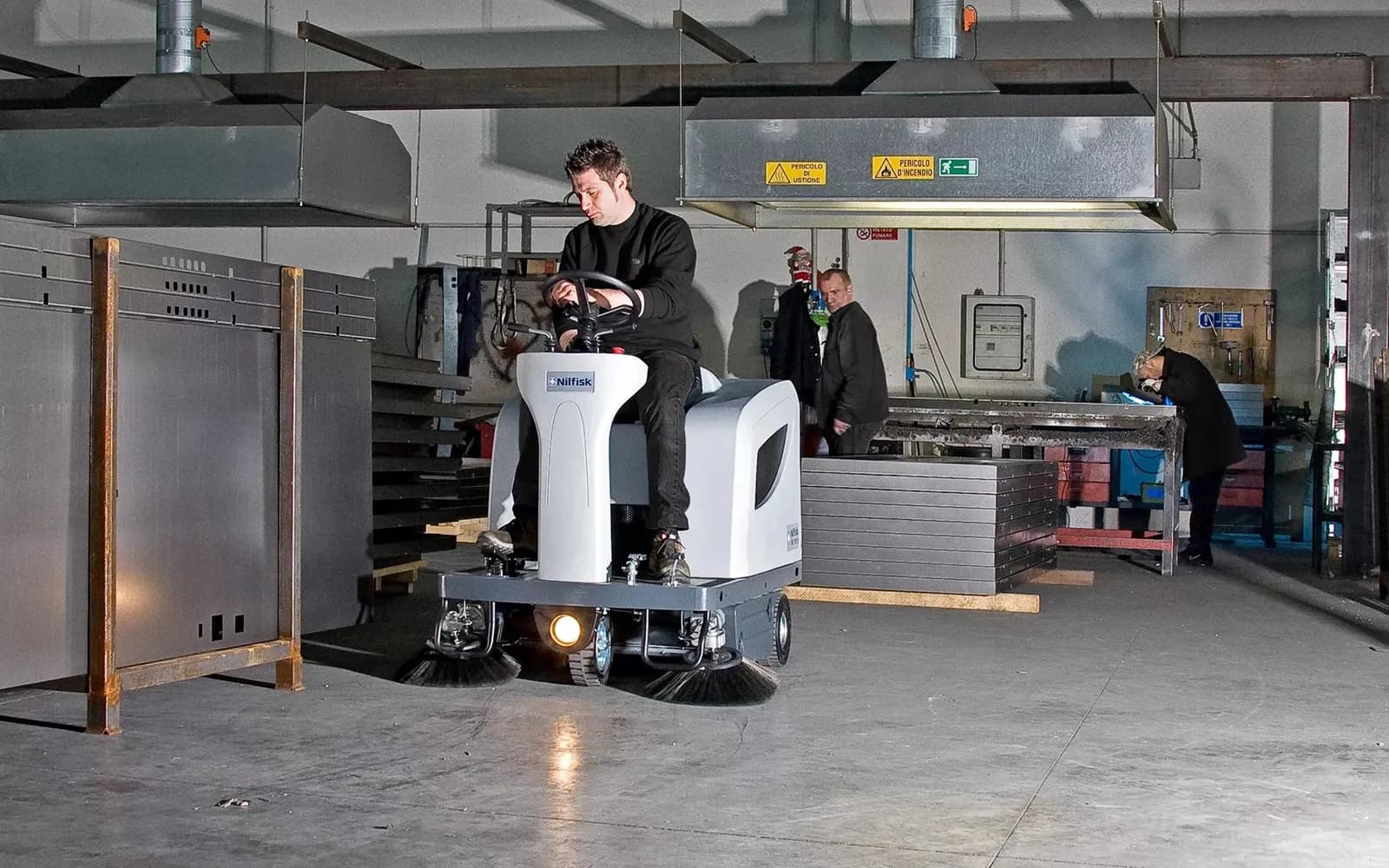
Collect dust, sand and pallet debris from warehouse floors, yards and car parks.
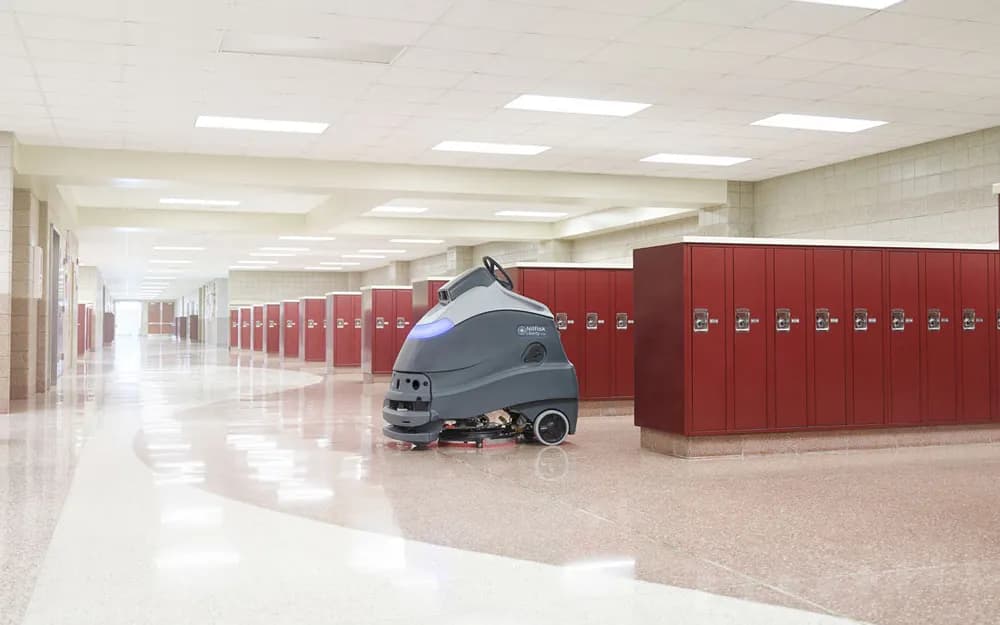
Autonomous scrubbers that clean large floors on a set route, so your team can focus on other work.
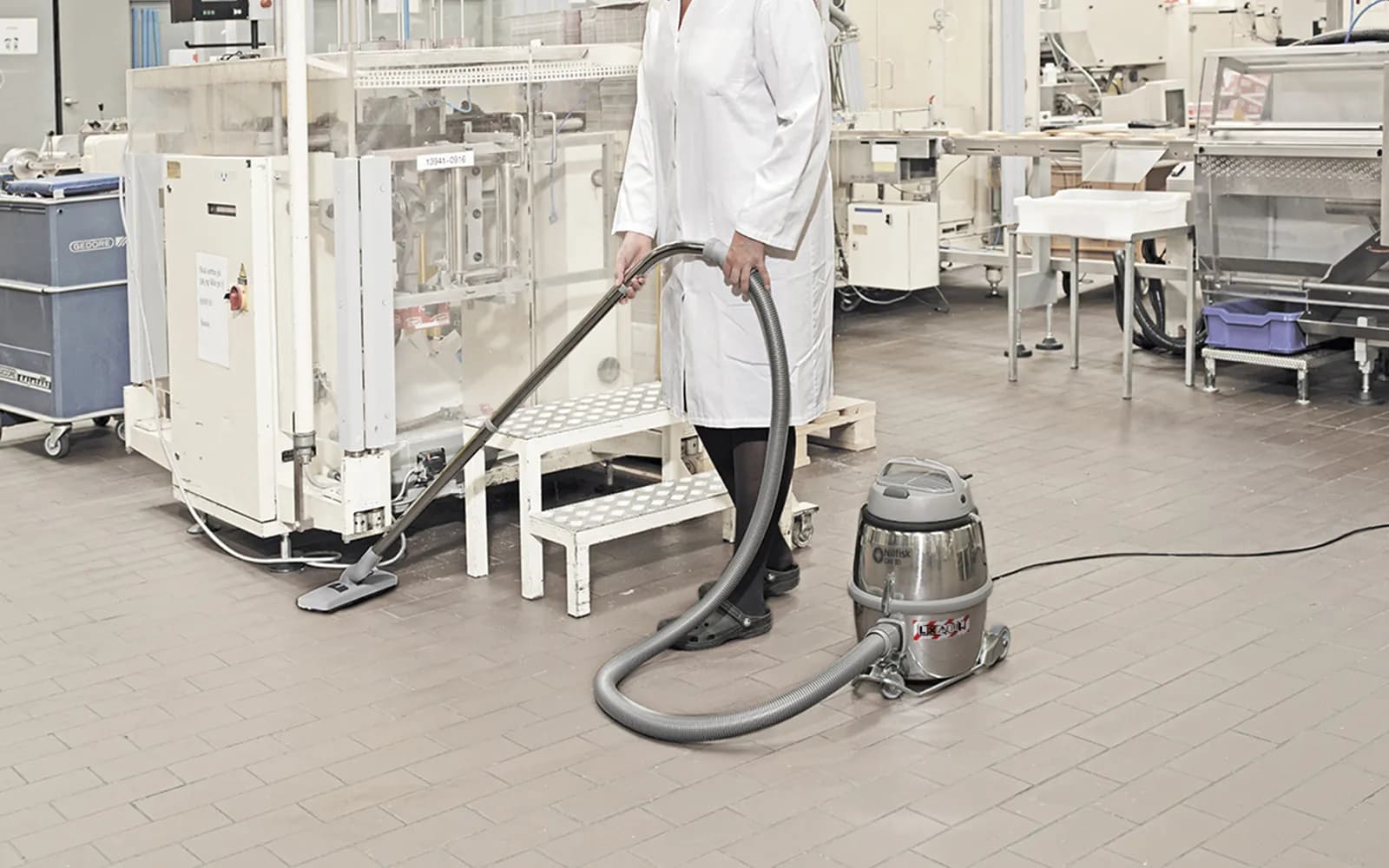
Pick up dust, fine powder, liquids and chips in production, food processing and workshops.
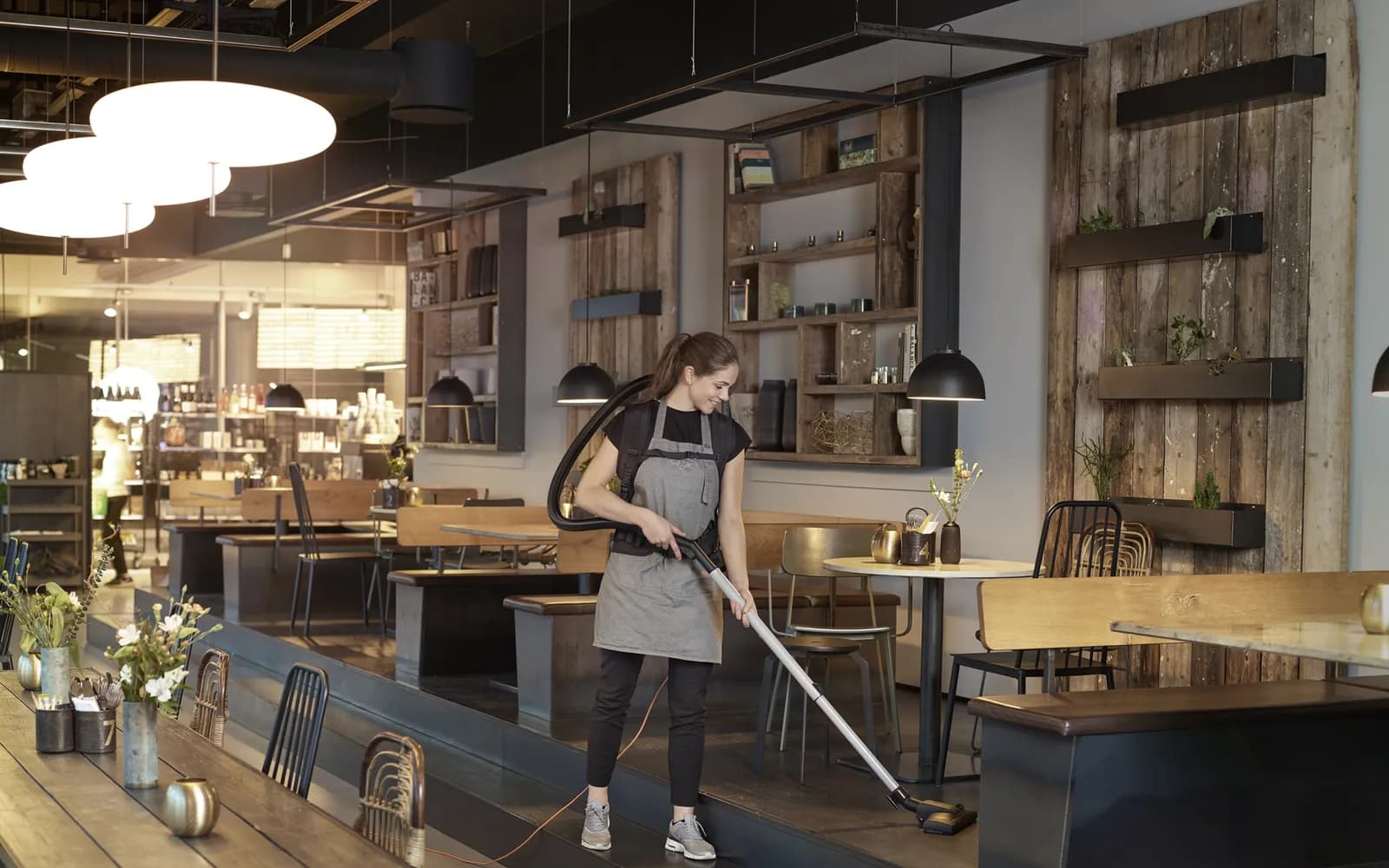
Dry, wet and dry, and upright vacuums for offices, hotels, shops and daily cleaning.
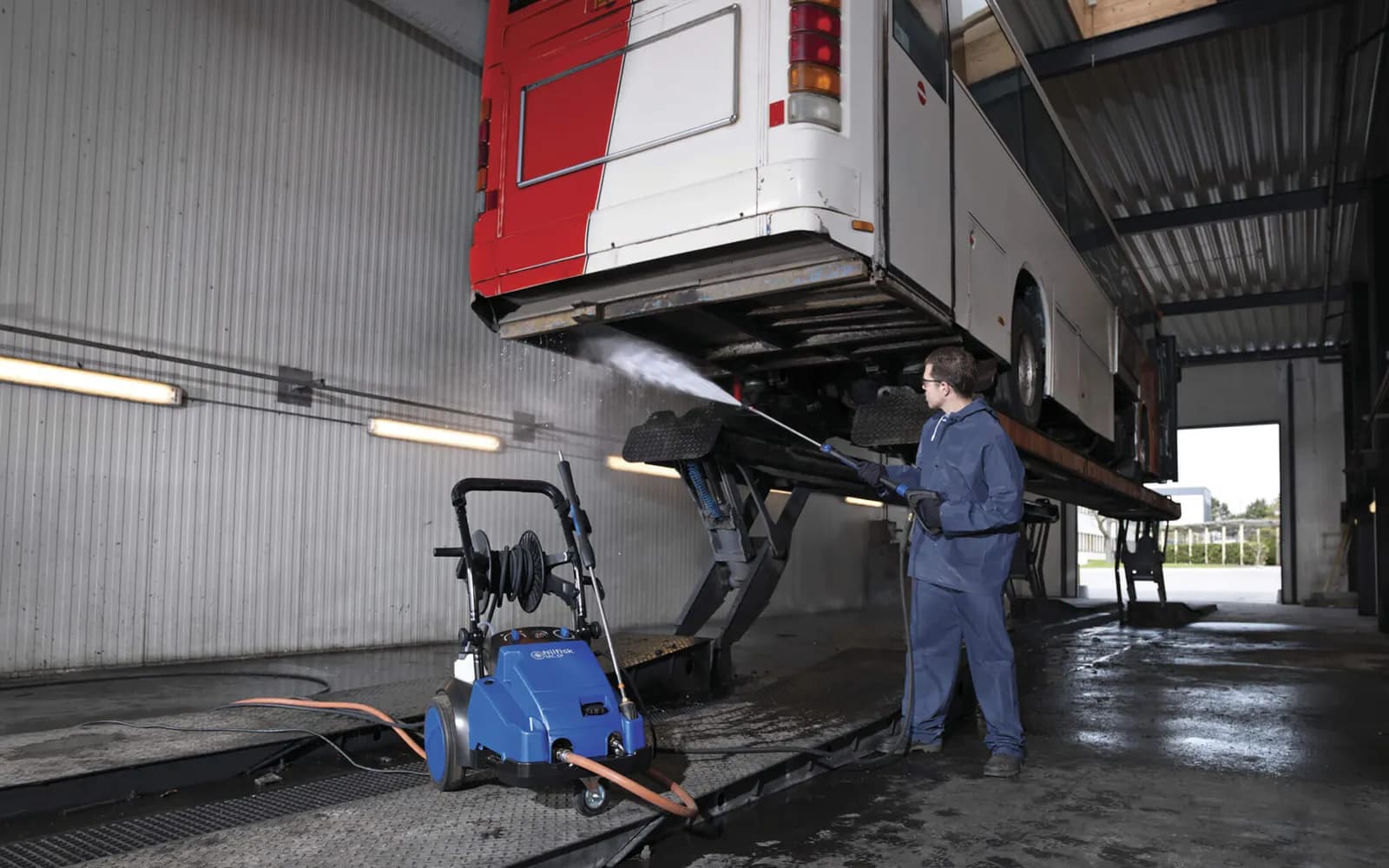
Mobile and stationary high-pressure washers for vehicles, machines, workshops and farm buildings.
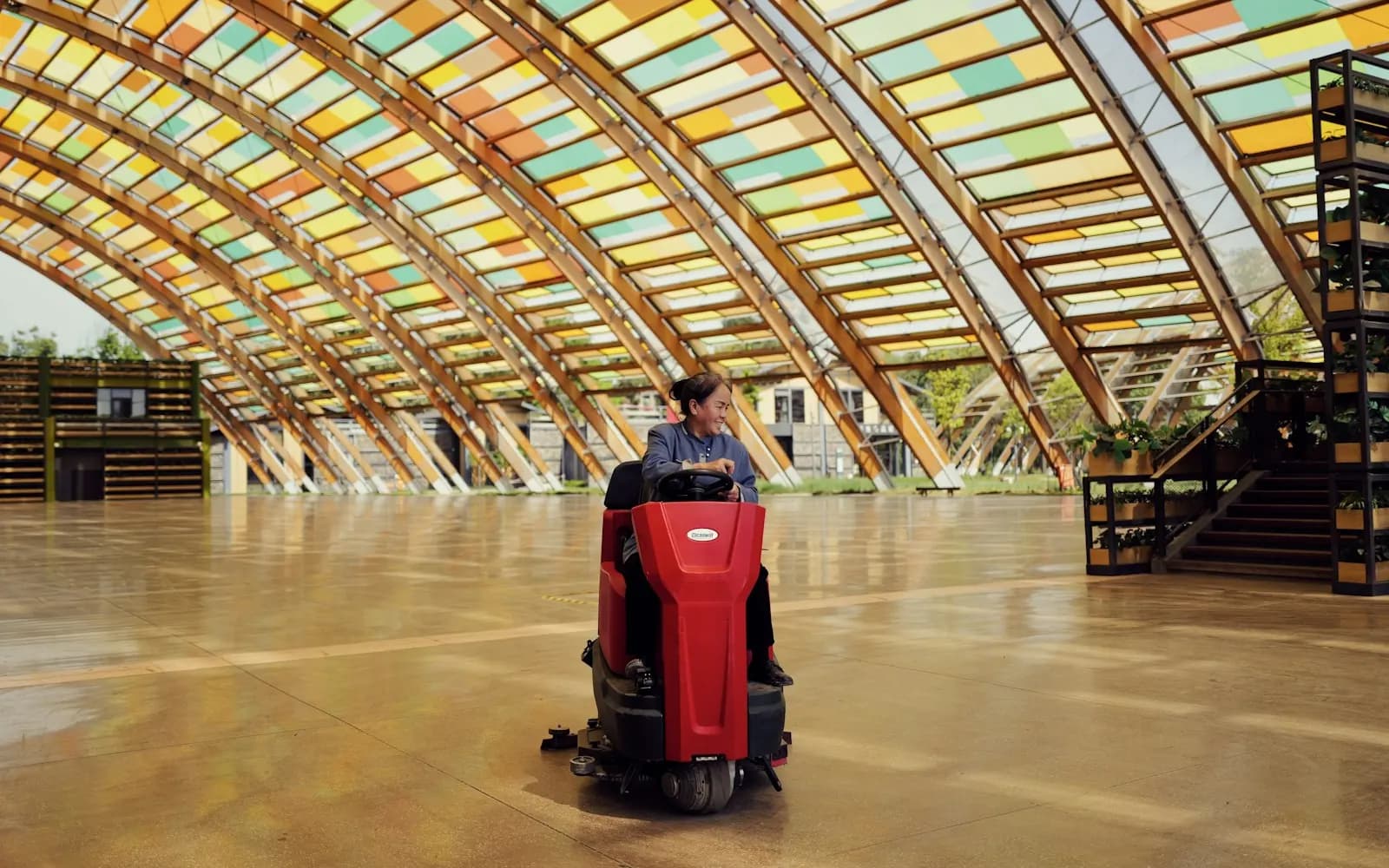
Nilfisk cleaning agents for tough dirt and films, matched to the machine and the floor.
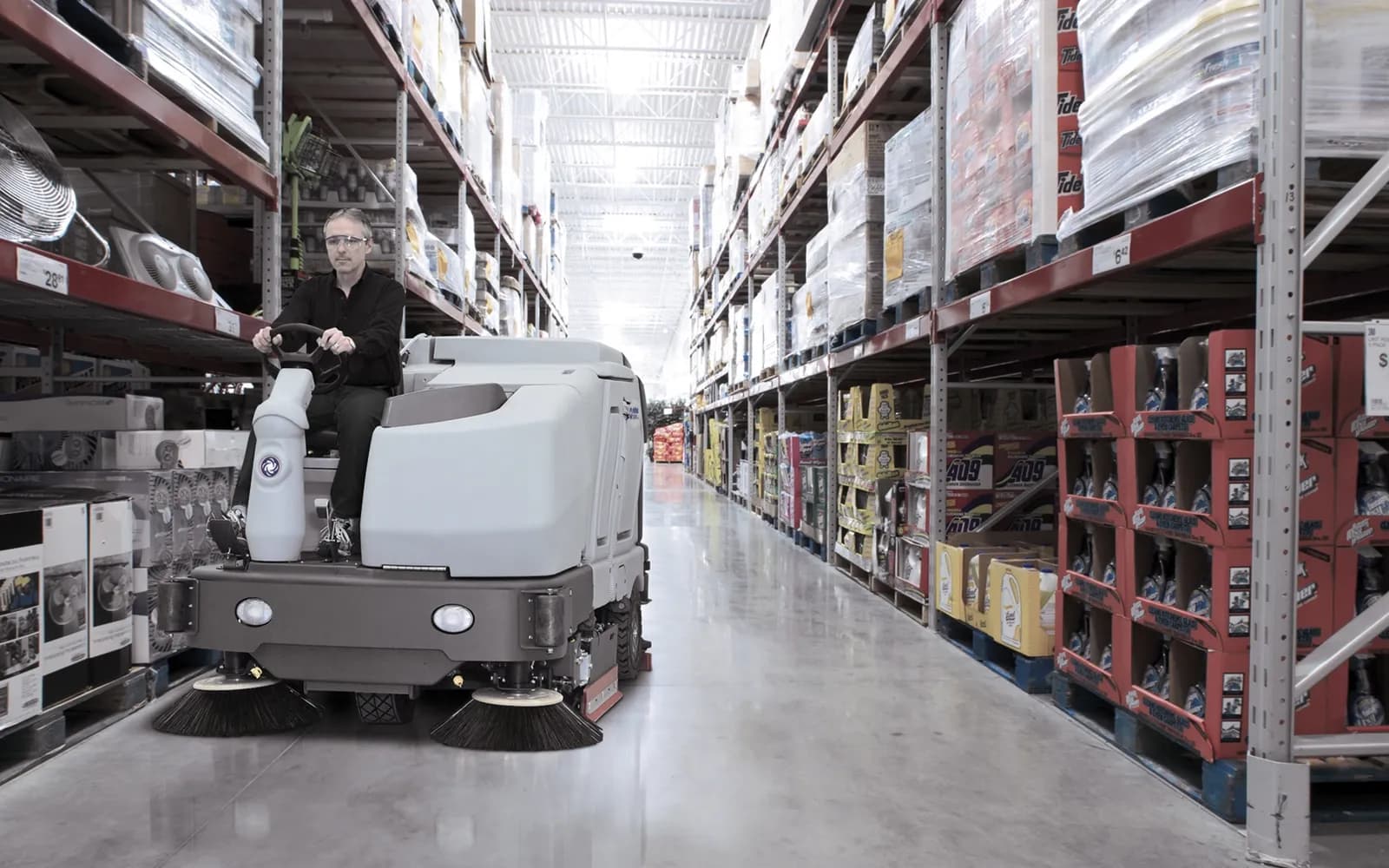
Floor area, cleaning frequency and the narrowest gap decide the machine size.
Read moreCleaning machines are chosen by the floor area and how often it must be cleaned. A machine too small for the area keeps operators busy for hours; one too large cannot reach corners and narrow aisles.
A machine's theoretical output is its cleaning width times its speed. Real output is well below that because of turns, overlaps and emptying tanks. Divide your floor area by the real rate to see how long each round takes.
Walk-behind machines suit smaller areas, shops and tight spaces. Ride-on machines cover large open floors faster and with less effort for the operator. Sites with both kinds of space sometimes use one of each.
Battery machines move freely and suit large floors and busy sites. Mains machines suit small areas close to sockets. A battery machine's run time should cover a full cleaning round without a recharge.
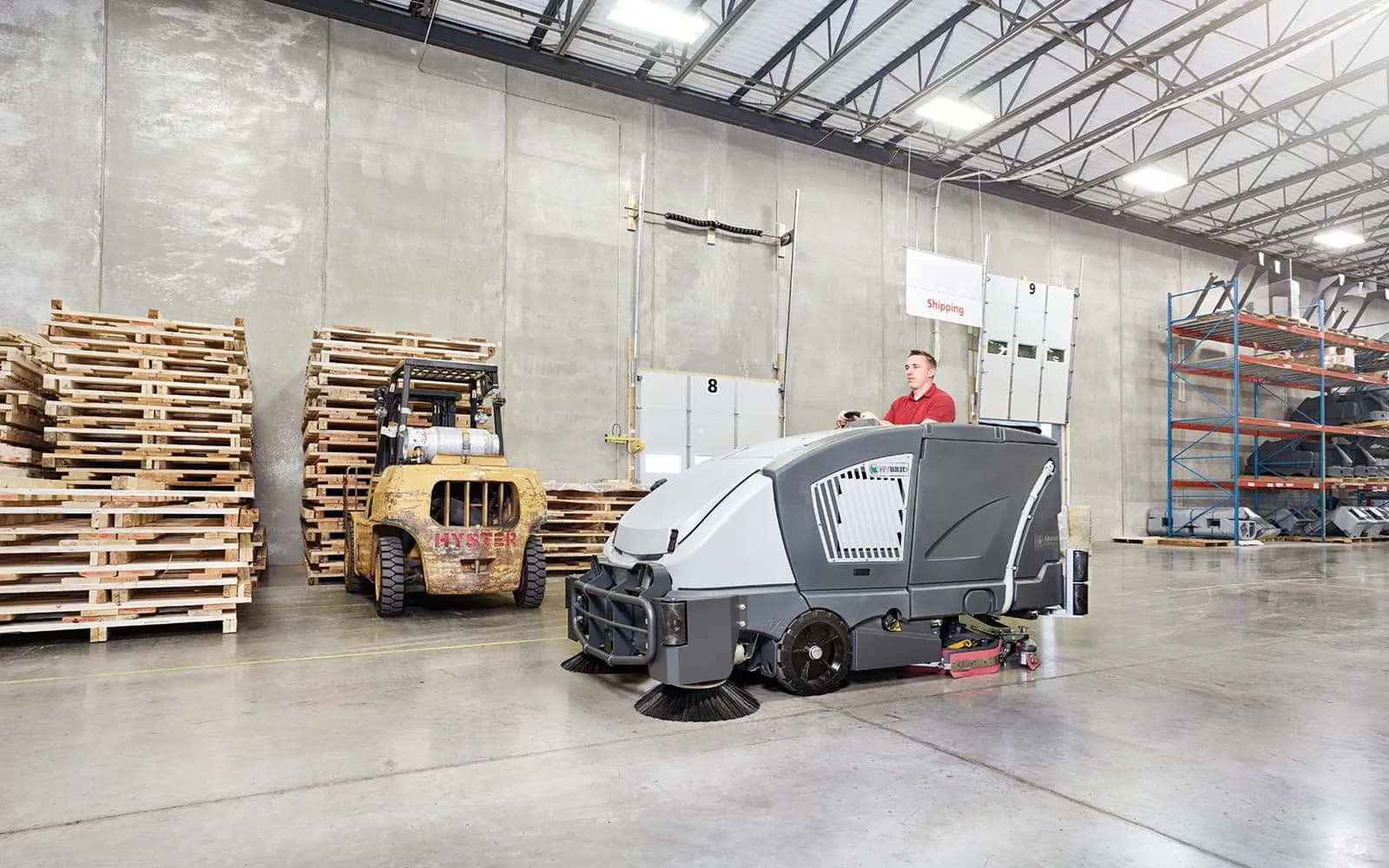
Sweepers and scrubber dryers do different jobs. Many sites need both: one to collect dry debris, the other to wash the floor and leave it dry.
A sweeper brushes dust, sand, pallet splinters and packaging scraps into a hopper, with filters that hold back fine dust. It suits warehouses, yards and car parks with plenty of loose debris.
A scrubber dryer puts down water and detergent, scrubs with brushes or pads, then vacuums the dirty water back up through a squeegee. The floor is clean and dry enough to walk on straight away.
Heavy debris blocks a scrubber's squeegee and leaves streaks of water behind. Sweep loose dirt first, then scrub. On lightly soiled floors a scrubber dryer alone can do both in one pass.
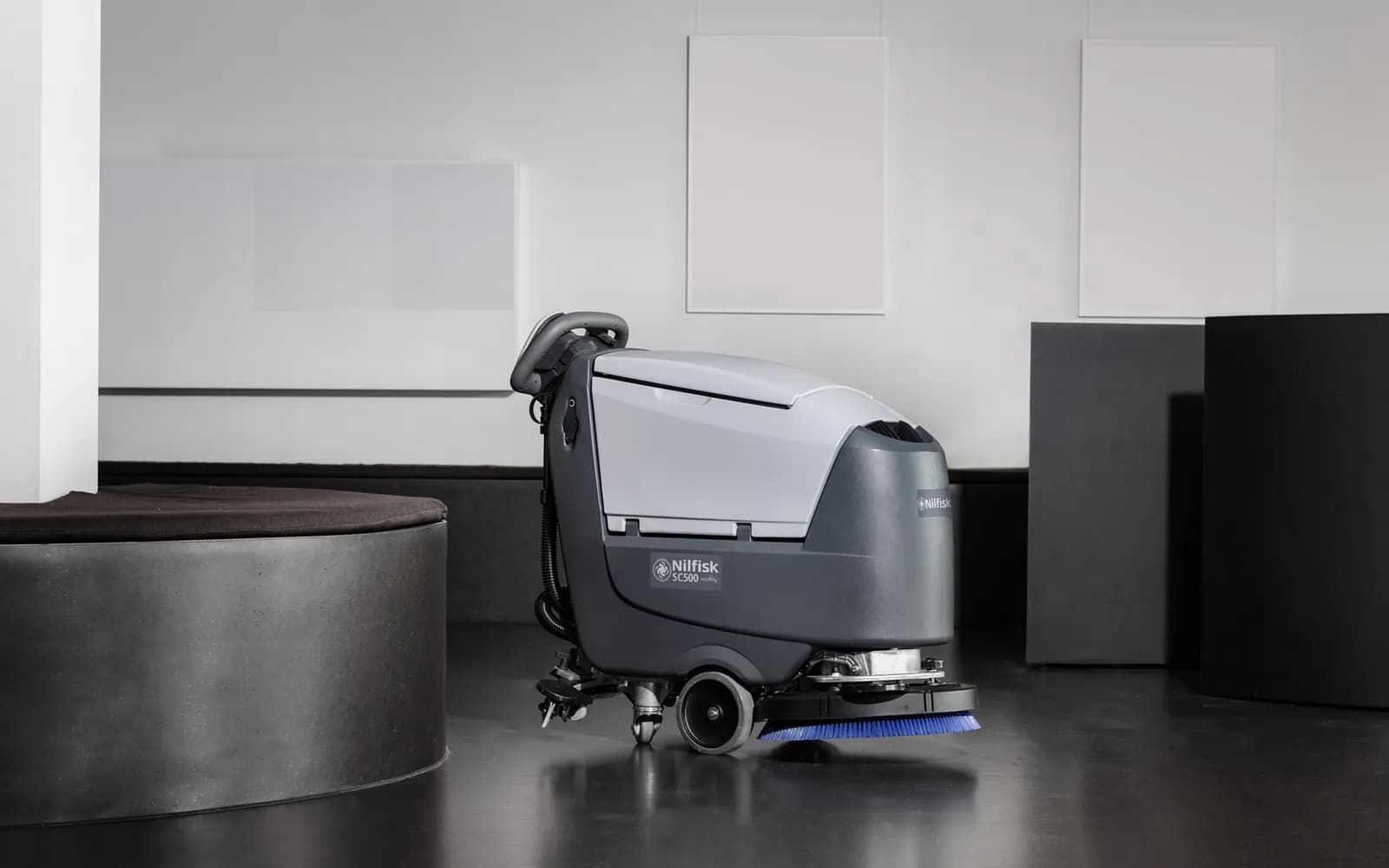
Cleaning machines work in dirt every day, so a few minutes of care after each use decides how well they clean next time and how long they last.
Empty and rinse the recovery tank after every use, and leave it open to dry so it does not smell. Wipe the squeegee blades; a worn or dirty blade leaves stripes of water on the floor.
Remove string and wire wrapped around brushes, turn or change pads, and clean dust filters. A clogged filter makes a sweeper blow dust around instead of collecting it.
Battery machines need the same care as forklift batteries: full charges, water after charging for lead-acid types, and a cool, ventilated place to charge.
We also supply the Nilfisk consumer range for homes, cars and small shops:
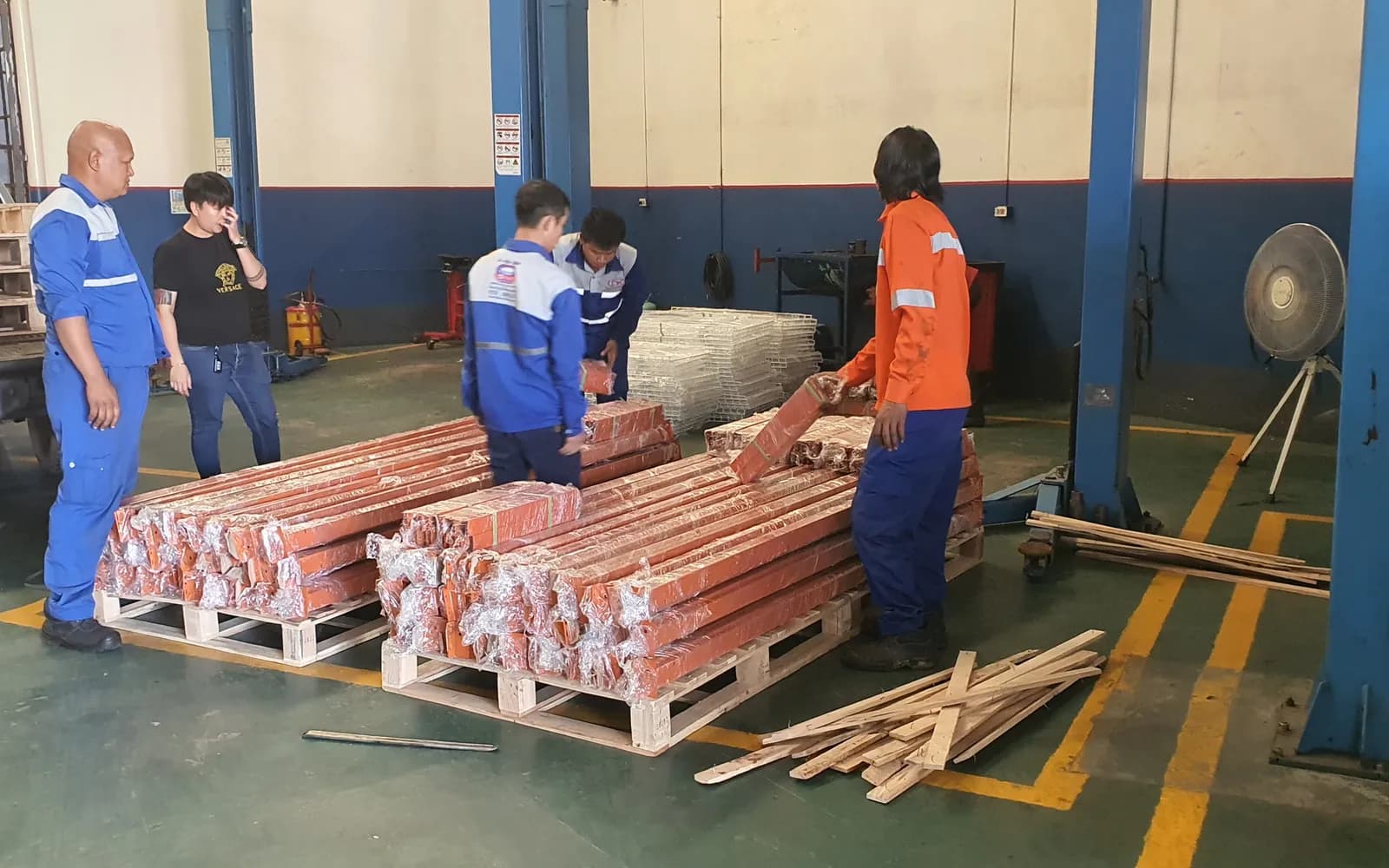
High-traffic floors where dust and pallet debris need regular sweeping and scrubbing.
View details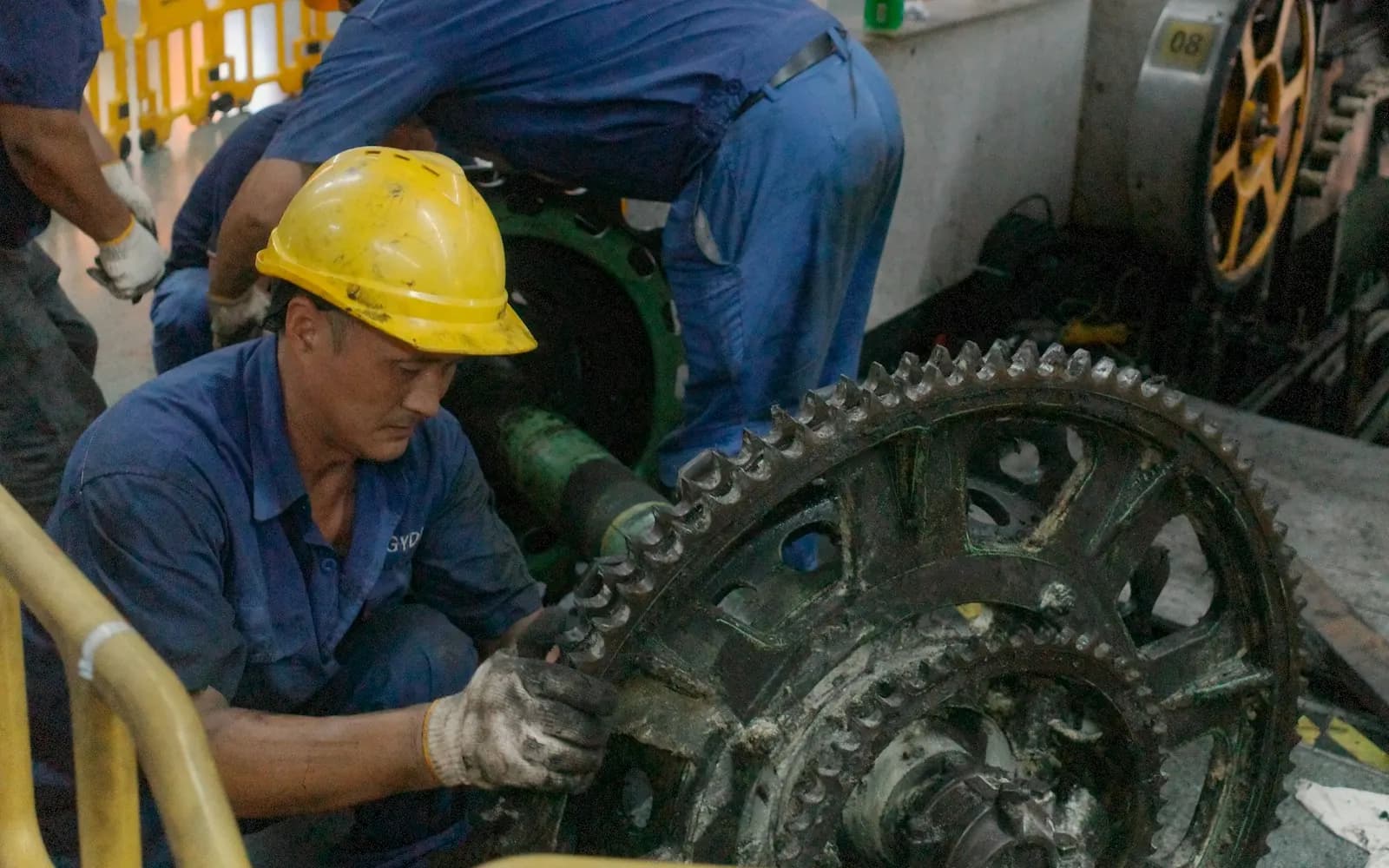
Servicing that keeps cleaning machines working, alongside your forklifts.
View detailsTell us your floor, area and the dirt you deal with. We recommend the machine and reply with a quotation.