What the rating means
A truck rated at 2.5 t lifts 2.5 t with the load's centre of gravity 500 mm from the fork face, up to a stated height. With a longer load, or above that height, the safe capacity falls; the data plate shows by how much.
Forklift Sales
New or used, matched to your load, site and budget. Quotation-based pricing. Availability on request.
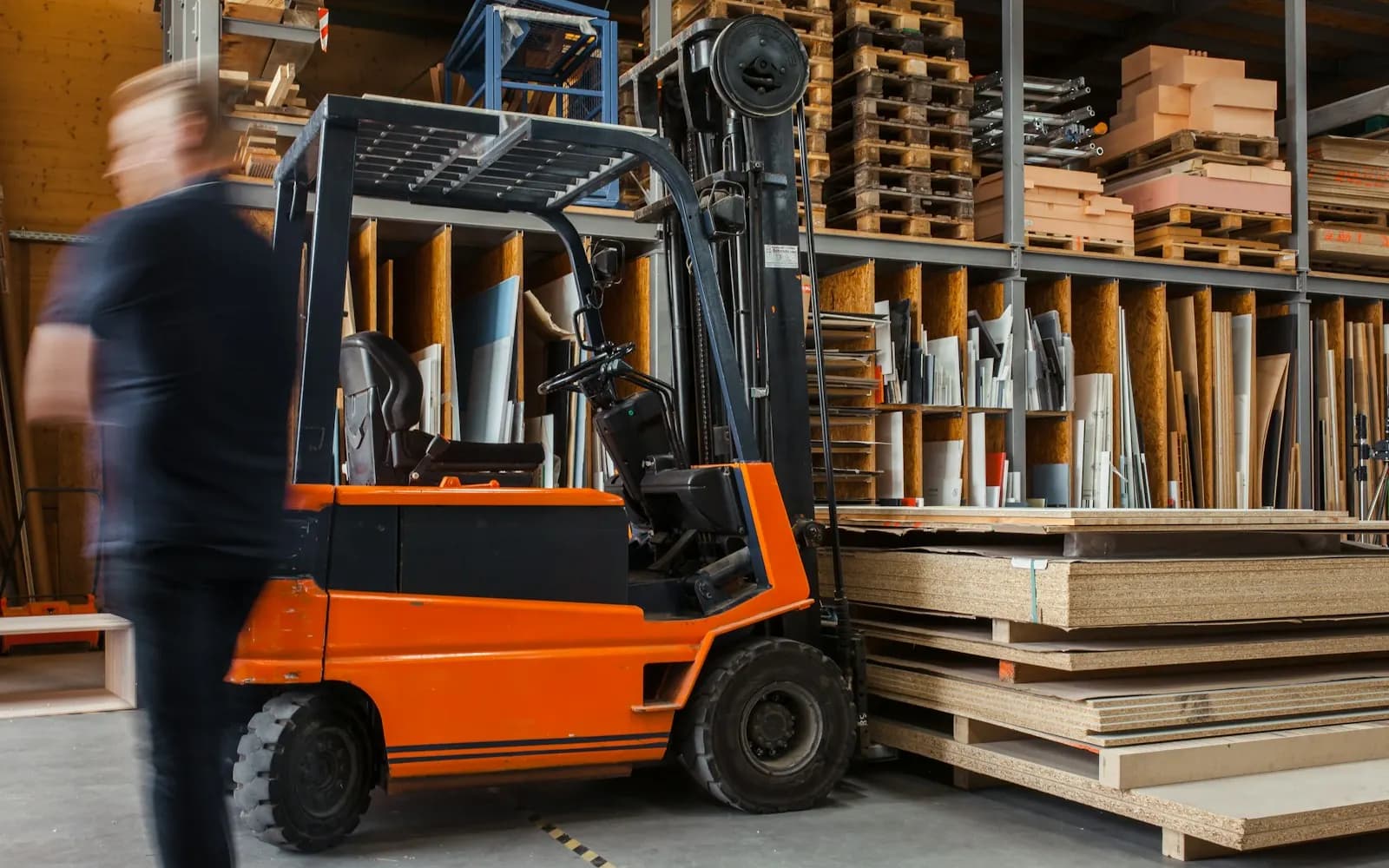
Current models chosen for your load, lift height and site, with a full working life ahead.
View details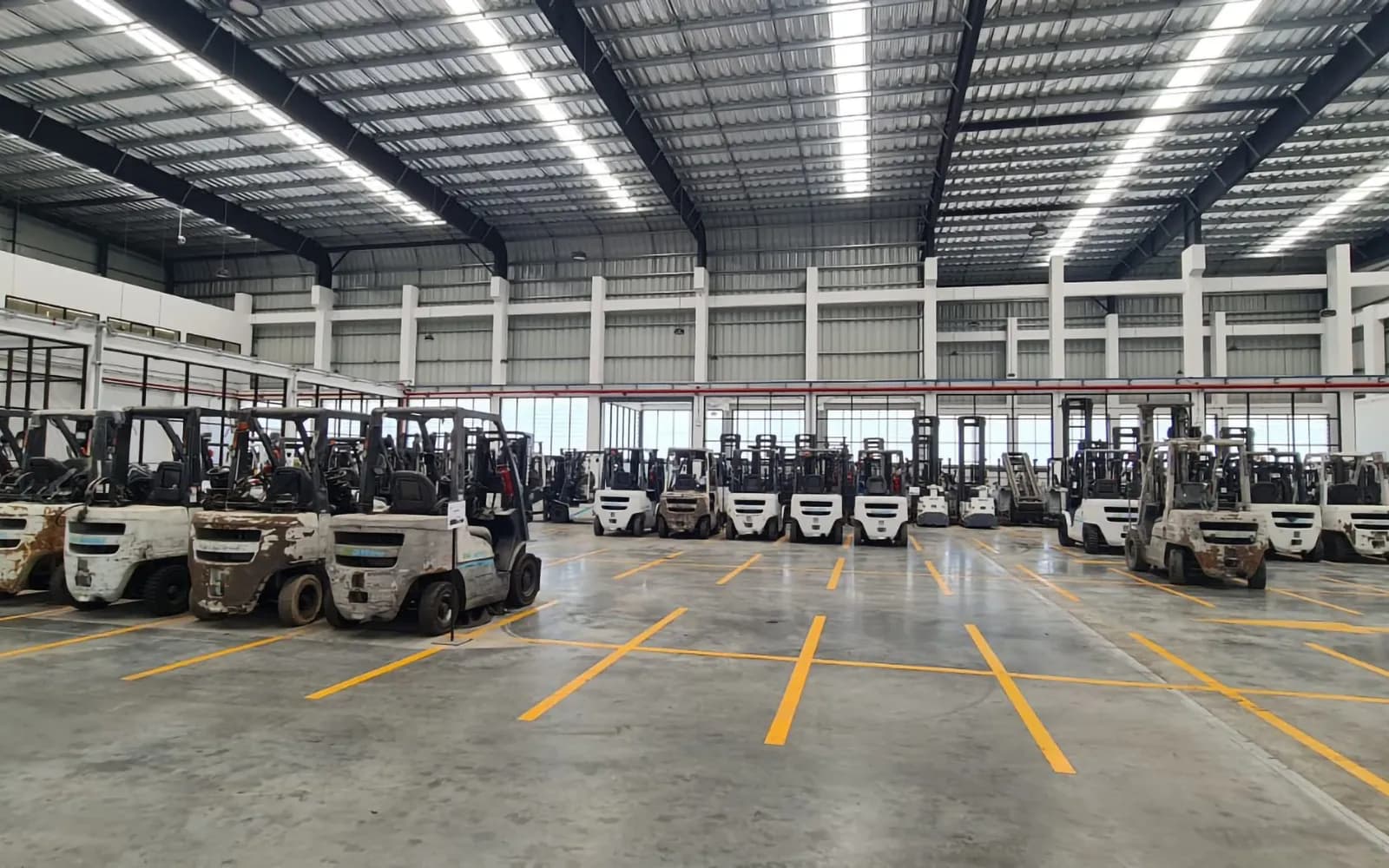
Selected used units for a lower upfront cost, checked before you decide. Ask what is available now.
View details
Capacity is the first number buyers look at, and the one most often misread. The rating on the data plate applies to a load of a set size held up to a set height; real loads are often longer, higher, or both.
A truck rated at 2.5 t lifts 2.5 t with the load's centre of gravity 500 mm from the fork face, up to a stated height. With a longer load, or above that height, the safe capacity falls; the data plate shows by how much.
A side shifter, fork positioner or clamp adds weight and moves the load forward, so the truck can lift less with it fitted. Choose the capacity with the attachment you plan to use already counted.
Choose the truck for your heaviest regular load at your highest lift, not for the average load. A sensible margin covers heavier batches without working the truck at its limit every day.
The mast decides how high the truck can stack and where it can go. Two measurements matter: the height you need to reach, and the lowest clearance on the truck's routes.
Measure to the top of your highest rack beam or stack, then add room to lift the pallet over it. Capacity falls as the mast reaches higher, so check what the truck can lift at that height, not only at ground level.
Collapsed height is the mast's height when fully lowered; it must pass under doors and beams and into containers. Free lift raises the forks before the mast extends, so the truck can stack inside a container without touching the roof.
A three-stage mast reaches higher from the same collapsed height, which helps when a low door leads into a tall warehouse. It costs and weighs more, so choose it when the site needs it, not by default.
New and used forklifts both make good sense. The better buy depends on how hard the truck will work, how long you plan to keep it, and how soon you need it.
Long daily hours, more than one shift, a specific specification, or a plan to keep the truck for many years. A new truck starts at zero hours with its whole working life ahead of it.
Lighter or occasional work, a tight budget, or a truck needed quickly. A well-kept used truck with known hours and service records can work for years at a lower upfront cost.
The purchase price is only part of the cost. Fuel or power, servicing, parts and downtime add up over the years, and they rise with a truck's age and hours. Compare the total cost over the years you plan to keep it.
We supply the brand that meets your requirement. Tell us your load, lift height and site and we recommend.
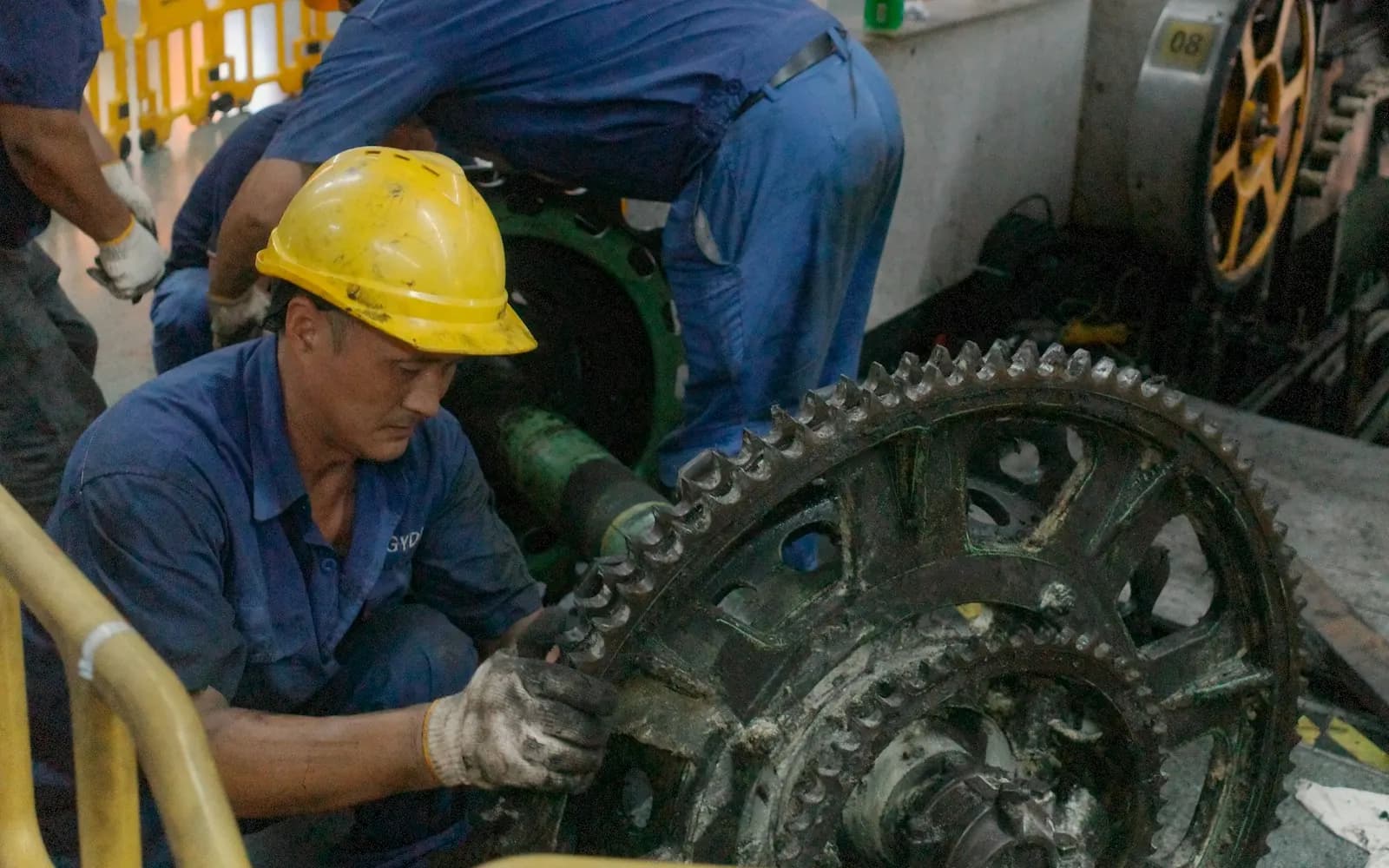
Scheduled servicing from the first day, so the truck stays safe and productive.
View details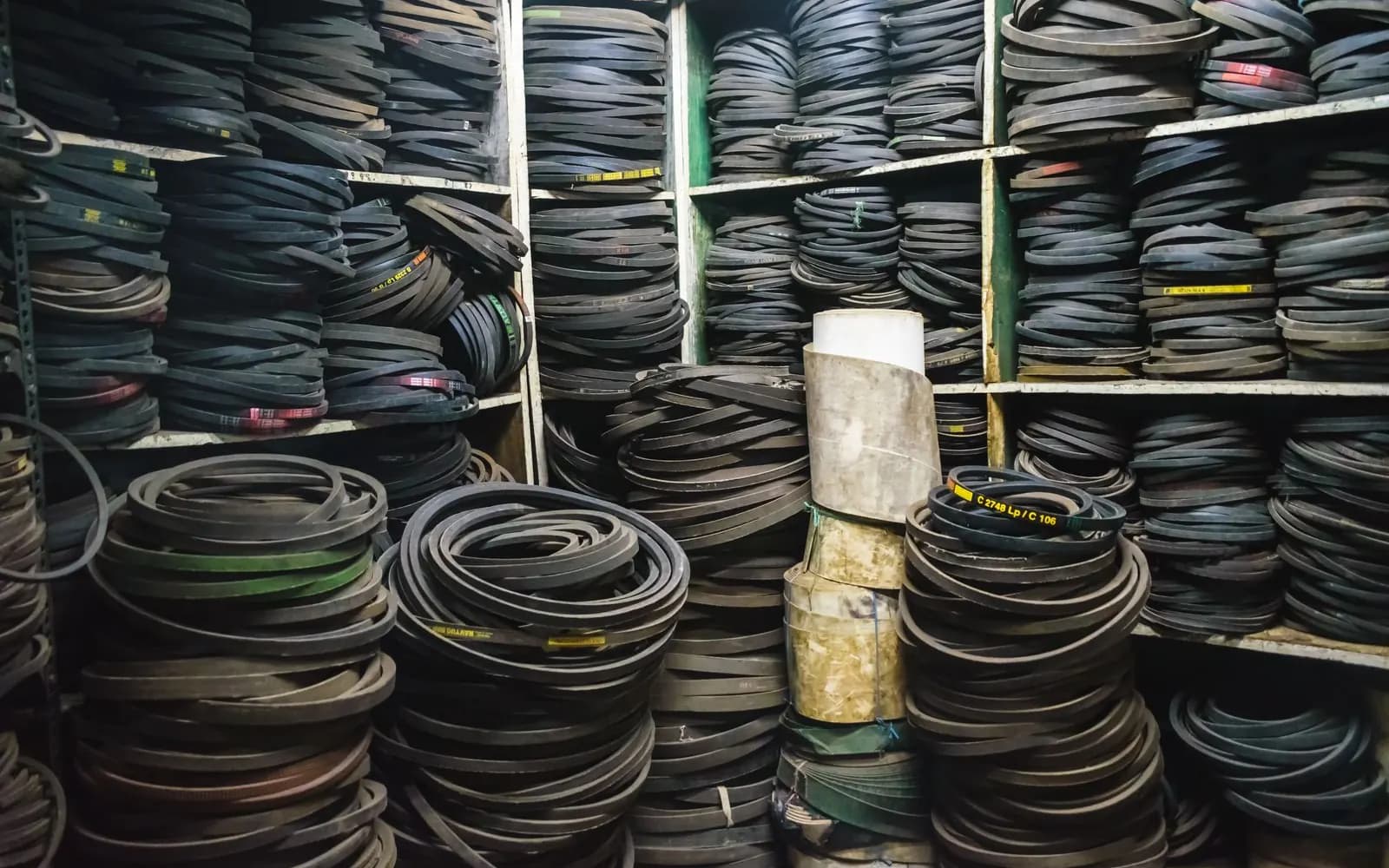
Filters, tyres, forks and other parts matched to your model and serial number.
View details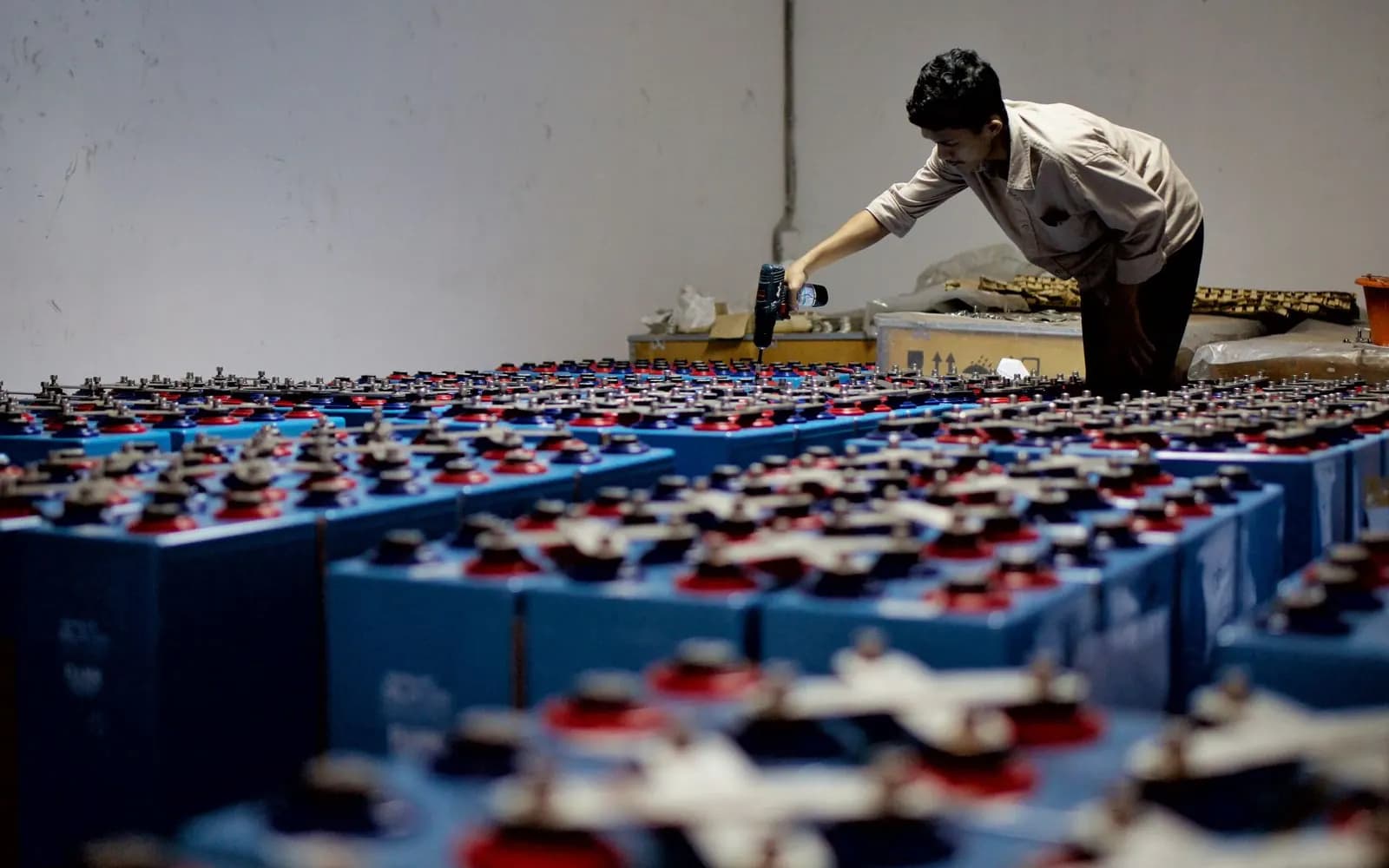
Chargers, battery care and replacement batteries for electric forklifts.
View detailsTell us what you need and we reply with a quotation.