When short-term makes sense
A project with an end date, a harvest or holiday peak, a stock overflow, or your own truck off for repair. You pay for the weeks you use, and the truck goes back when the work ends.
Forklift rental
Short-term for projects and peaks. Long-term for steady operations. Tell us what you lift and where, and we send a rental quotation.
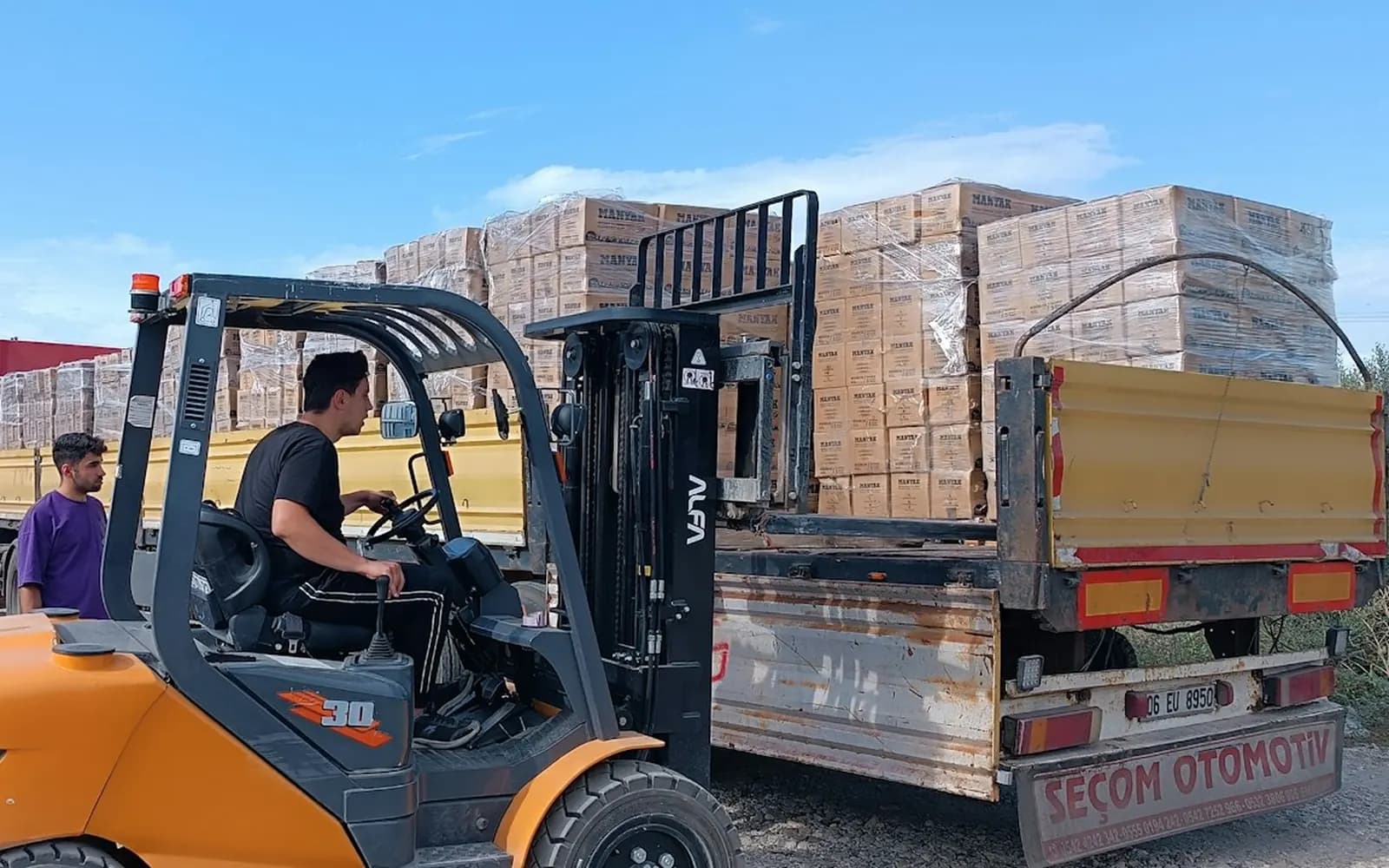
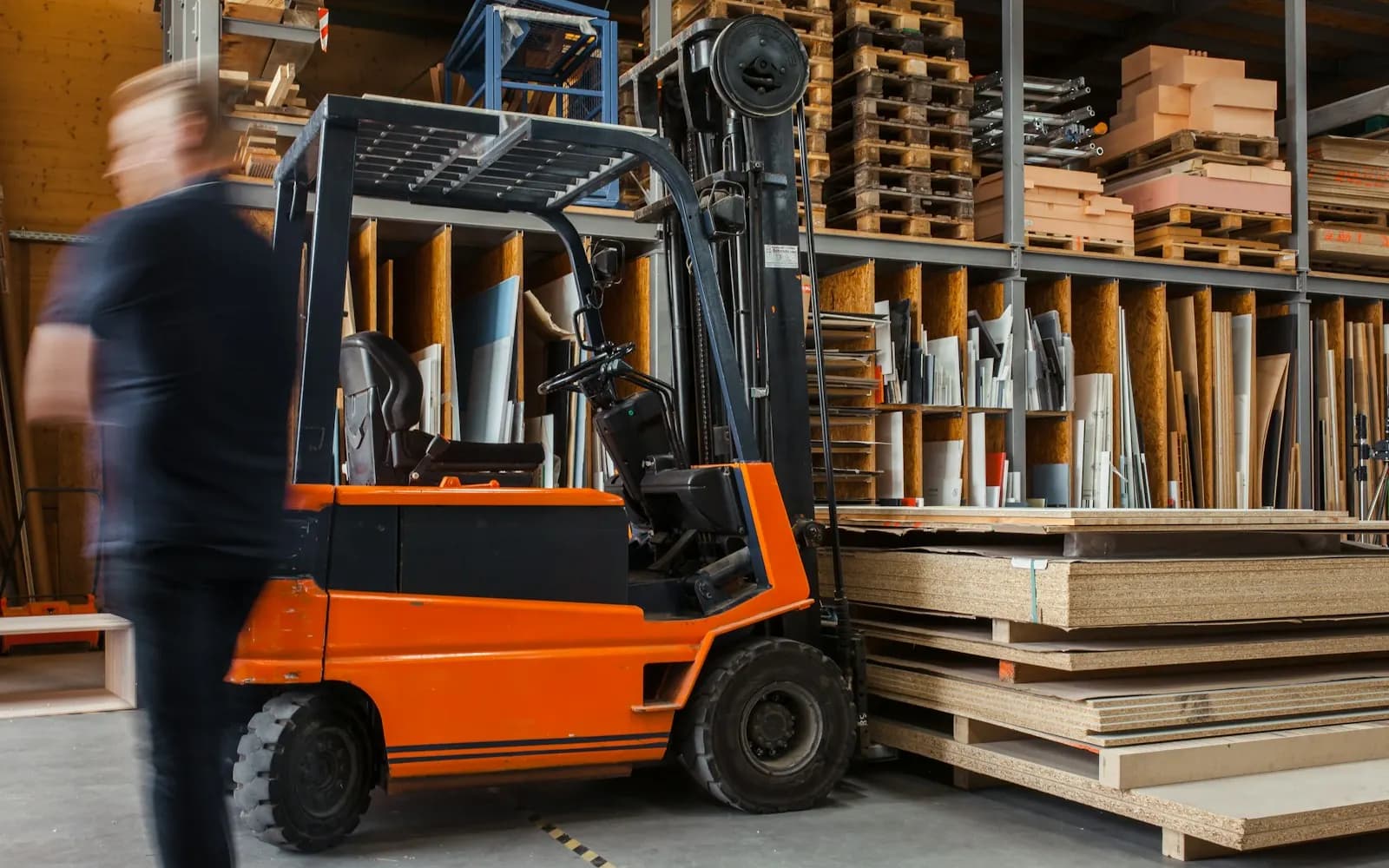
Days to months of cover for projects, seasonal peaks, stock overflow, or while your own truck is being repaired.
View details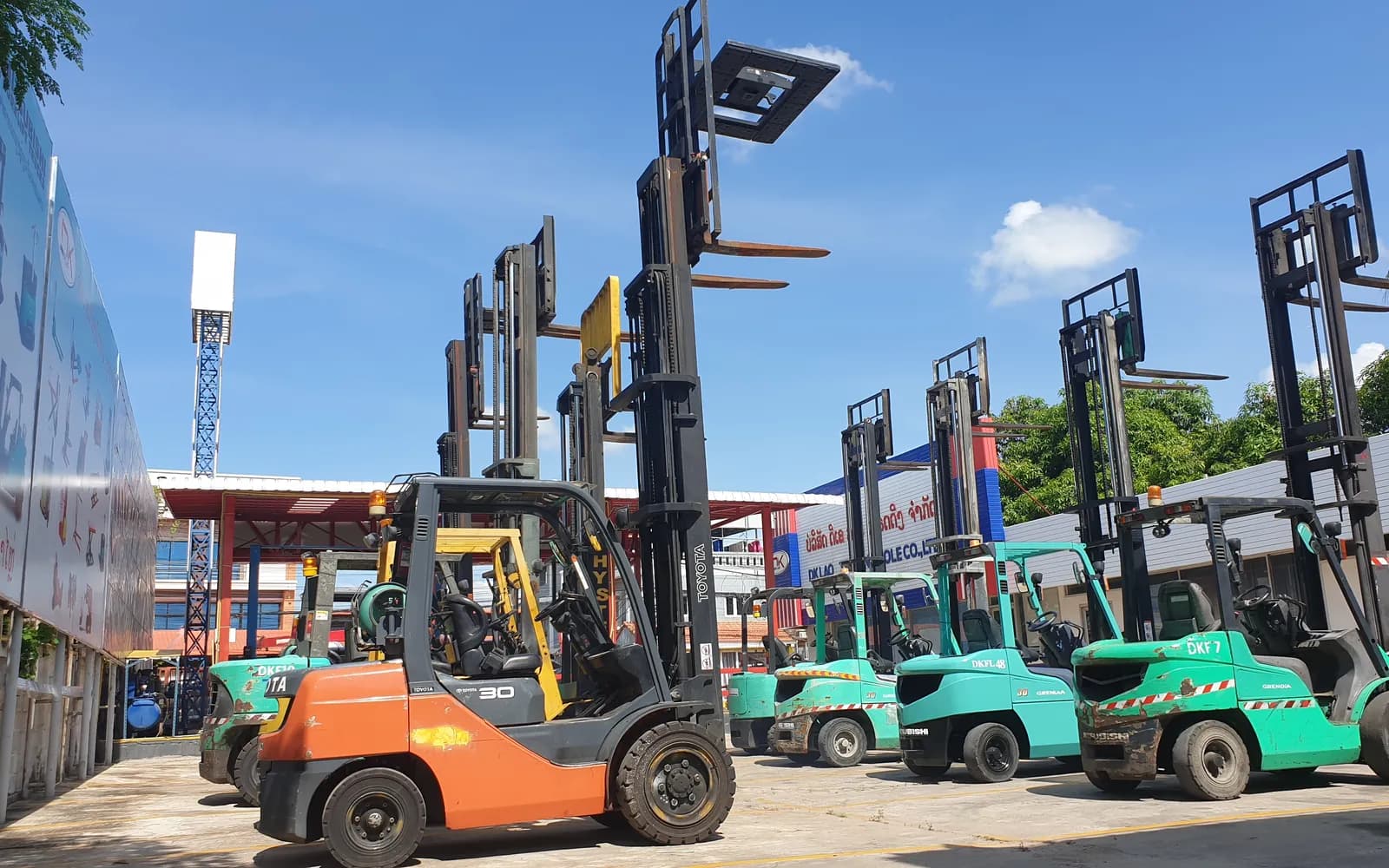
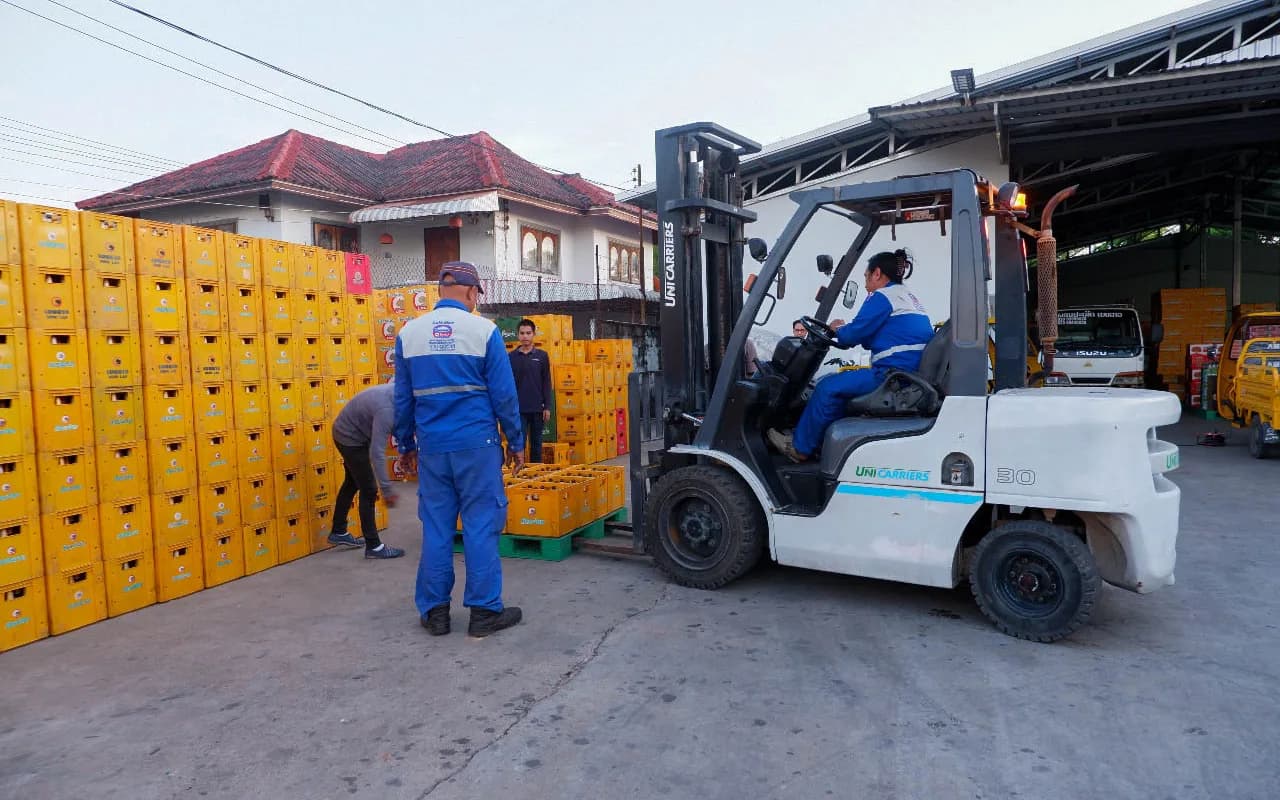
Typically one to five years of equipment for steady, year-round operations, without the upfront cost of buying.
View details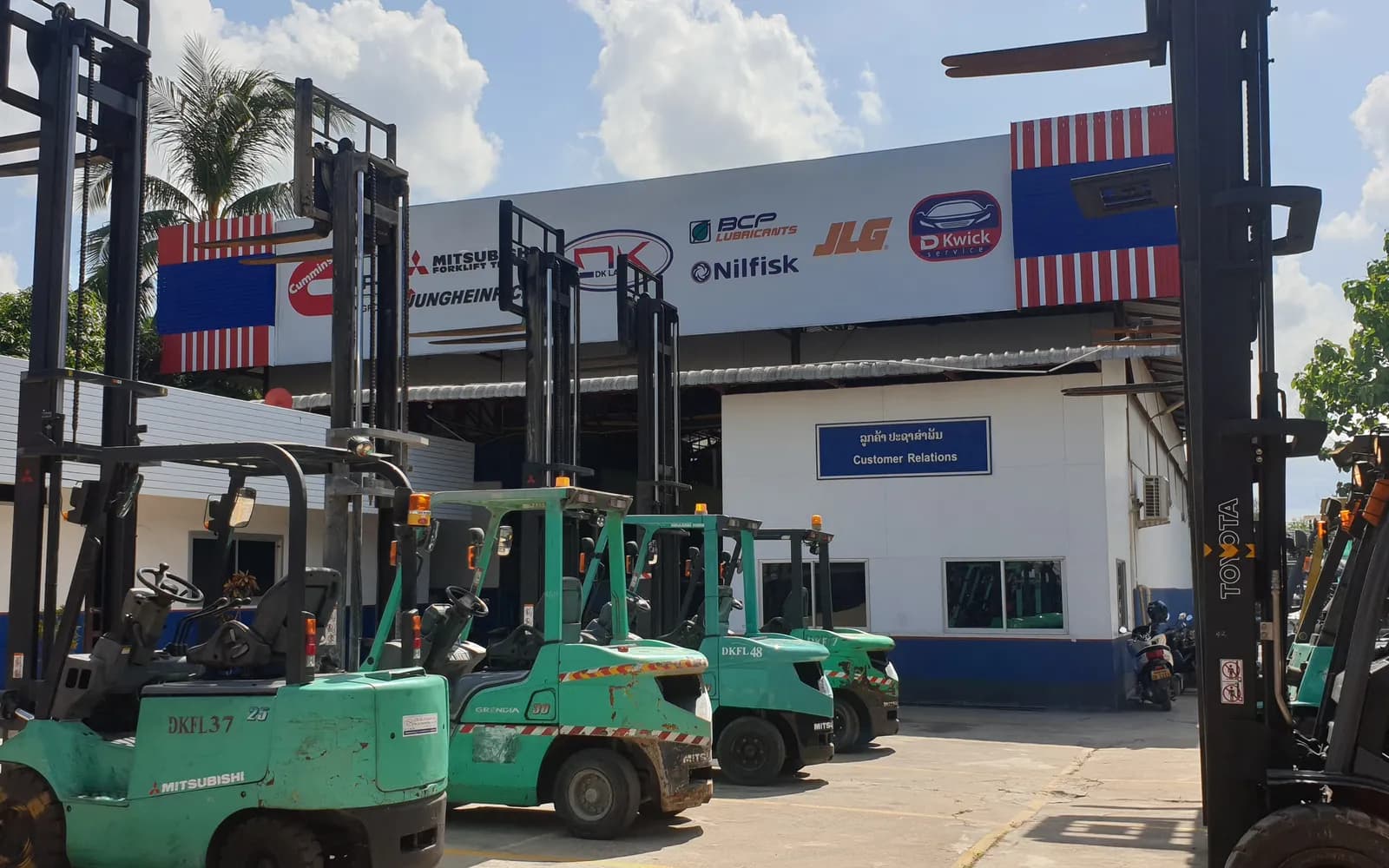
How long you need the truck, and how sure you are, decides the rental period.
Read more
Load, height and site decide the truck; small details avoid costly mismatches.
Read more
Trained operators and a check before every shift, from the first day.
Read moreThe right rental period depends on how long you need the truck and how sure you are about that need. Short-term rental buys flexibility; long-term rental buys a steady truck at a planned monthly cost.
A project with an end date, a harvest or holiday peak, a stock overflow, or your own truck off for repair. You pay for the weeks you use, and the truck goes back when the work ends.
Steady work all year. A long rental fixes the monthly cost, keeps cash in your business and avoids the upfront price of buying. If you expect to keep the same truck for many years, compare the total rental cost with buying, new or used.
A short rental shows how many hours the truck really works, which capacity you need and how high it must lift. That evidence makes a long-term rental or a purchase an easier decision.
A rental quotation is only as good as the details behind it. A truck that is too small cannot lift your load safely; one that is too big costs more and may not fit your aisles, doors or containers.
Forklift capacity is rated with the load's centre of gravity at a set distance from the fork face, usually 500 mm. Long or bulky loads sit further out and reduce what the truck can safely lift, so tell us the size as well as the weight.
Give us the highest point the forks must reach and the lowest door, beam or container the truck must pass through. Lift height and the mast's lowered height both matter, especially when you load containers.
Smooth concrete, a rough yard, slopes, rain and indoor air all change which truck and tyres suit the job. A few photos of the site and the route help us choose the right truck the first time.
A rented forklift works on your site, with your operators. A few habits from the first day protect people, the load and the truck.
Forklifts should be driven only by people trained for that type of truck. If your team is new to the truck you are renting, plan their training before the rental starts, not after the first incident.
Operators walk around the truck before use: tyres, forks, chains, hydraulic leaks, brakes, horn and lights, and for electric trucks the battery charge and cables. A fault is reported, not worked around.
A heavier load, a new site, a longer period or a fault: contact us early, so the rental keeps fitting the job and a small problem does not become a stopped truck.
Step 1
Send your load, height, site and dates.
Step 2
We match equipment to your job.
Step 3
You receive a quotation and agree the schedule.
Step 4
Contact us if the job changes.












Tell us the load, lift height, site and dates. We reply with a rental quotation.