
Know your load limits
Every rack has a safe working load per beam level and per bay. When the limits are not labelled, nobody can tell when a level is overloaded. Load signs should be easy to read from the aisle.
Warehouse Equipment
Plan racking, handling and cleaning together, from one site visit.
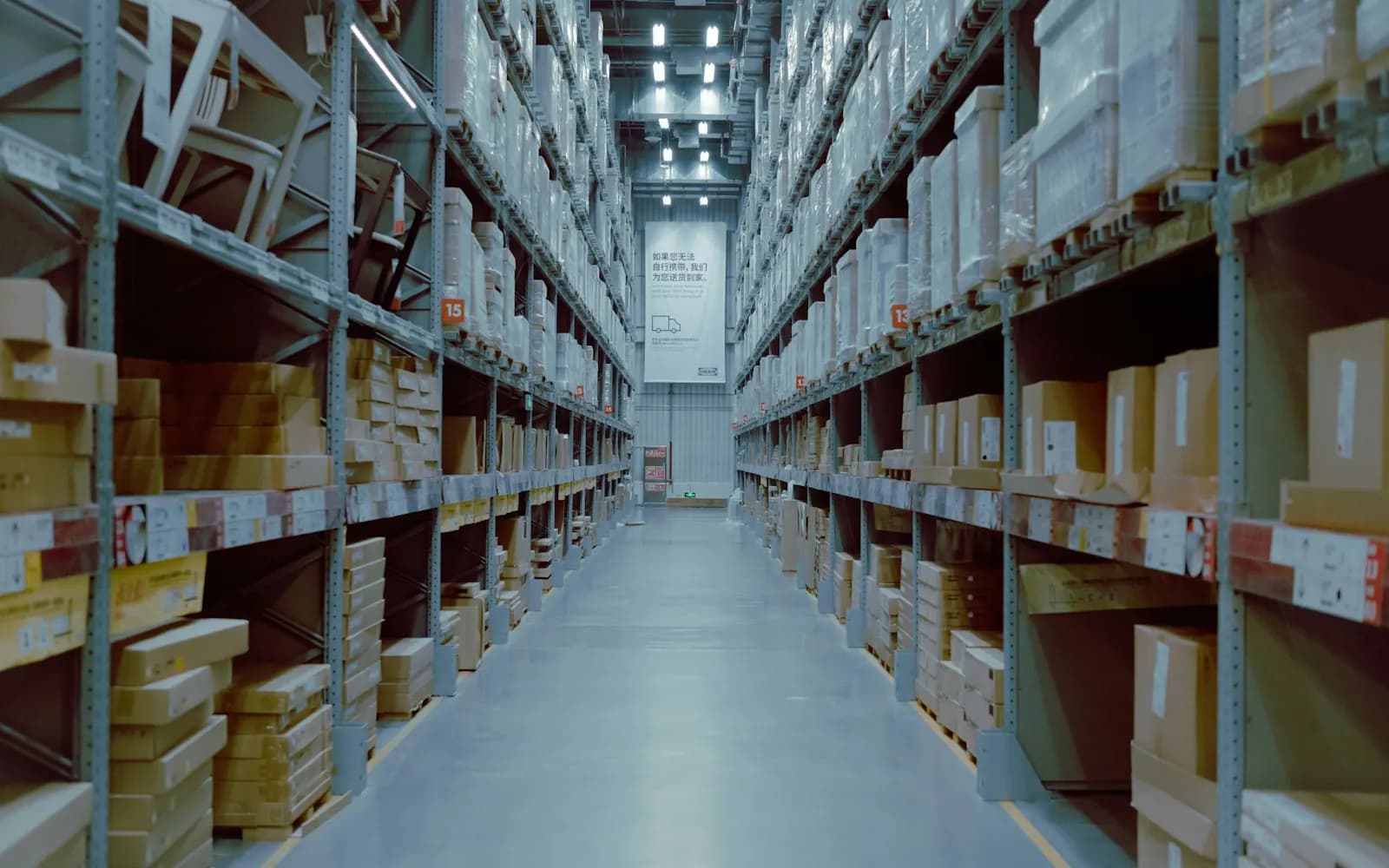
Pallet racking and shelving planned around your goods, trucks and aisle widths.
View details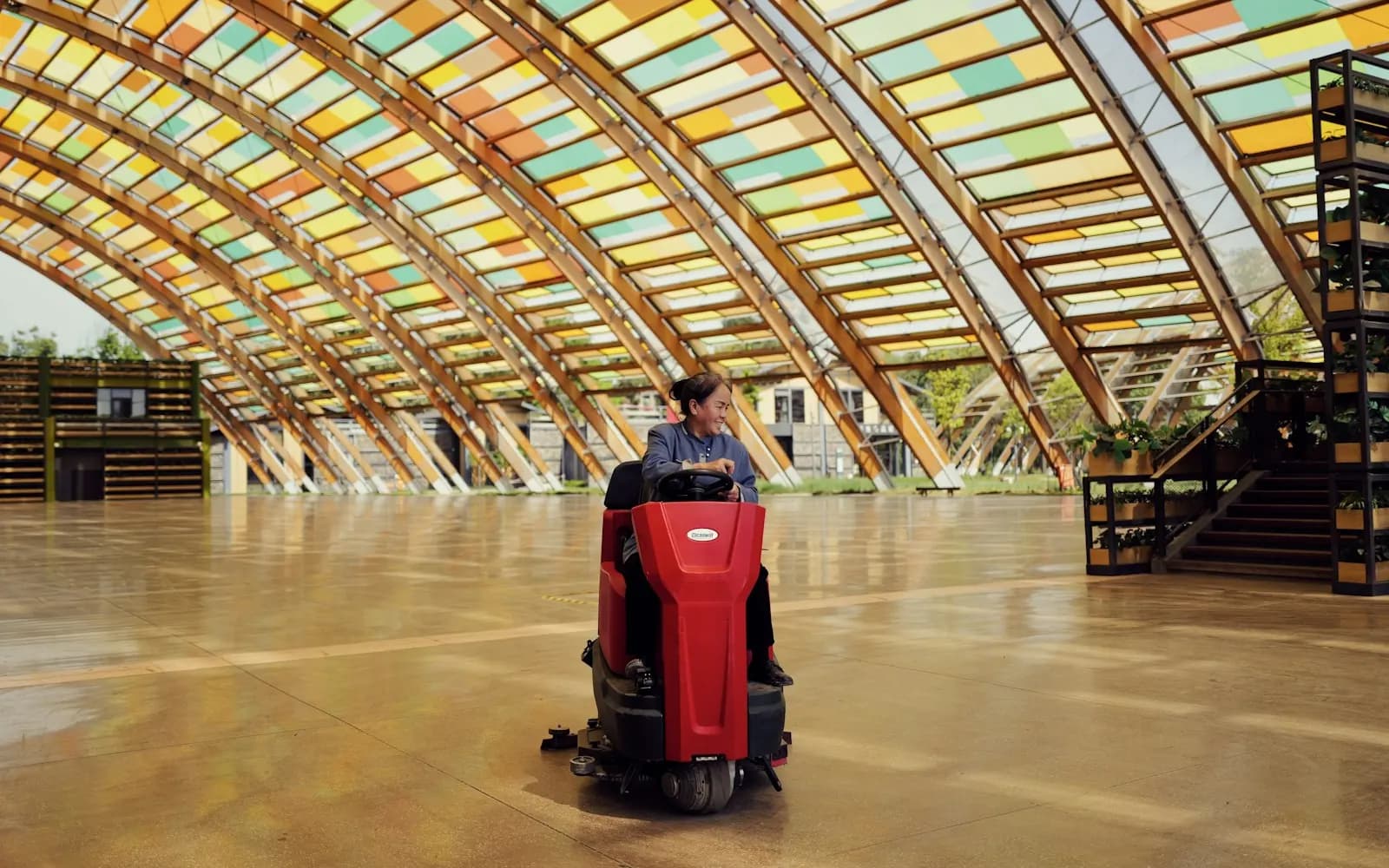
Nilfisk scrubber dryers, sweepers and industrial vacuums for warehouse and facility floors.
View detailsStep 1
Tell us about the site.
Step 2
Layout and equipment list.
Step 3
Clear quotation.
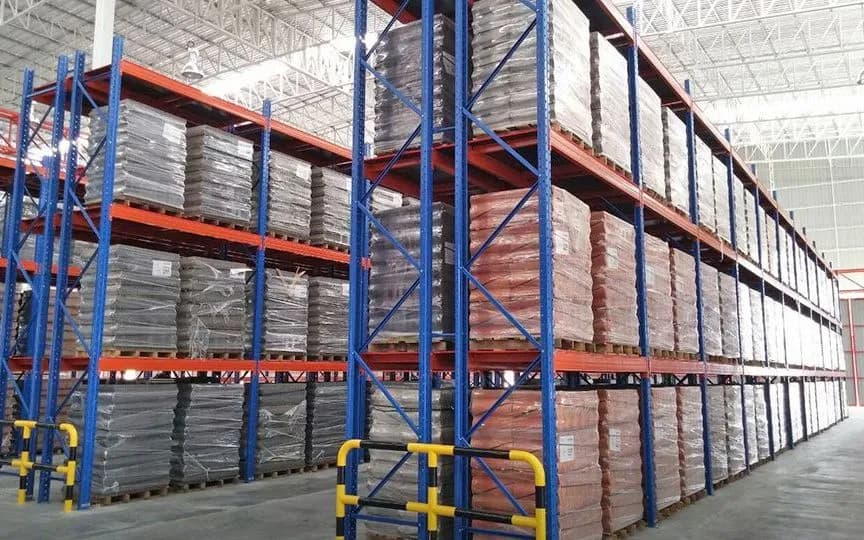
Unsafe storage rarely fails all at once. It starts with a bent upright, a beam loaded past its label or a floor stack one pallet too high, and it grows until something falls.
Every rack has a safe working load per beam level and per bay. When the limits are not labelled, nobody can tell when a level is overloaded. Load signs should be easy to read from the aisle.
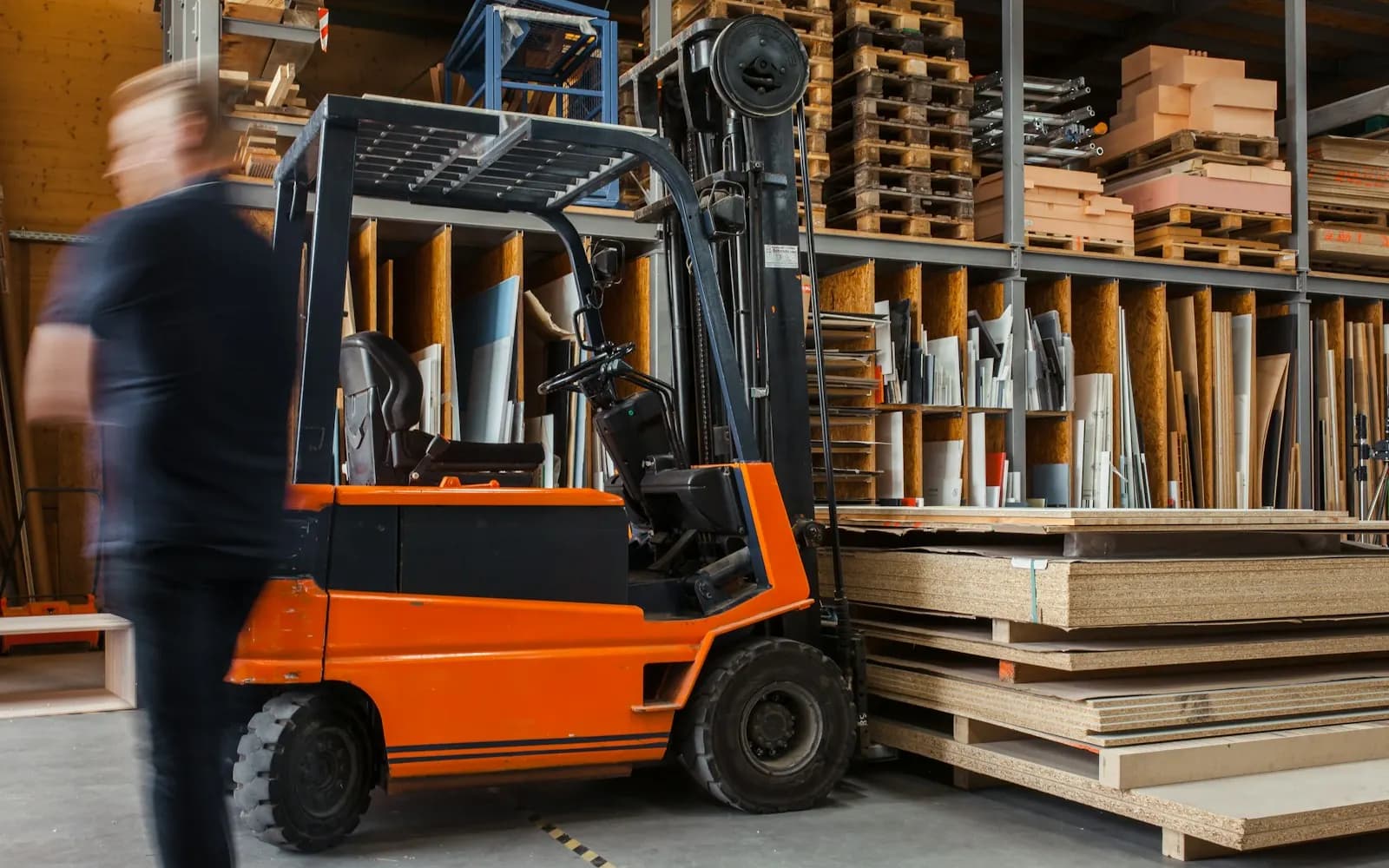
Forklift impacts bend uprights and knock beams loose, and a damaged upright carries less than its rating. Unload badly damaged bays until they are repaired. Column guards and end-of-aisle barriers reduce new damage.
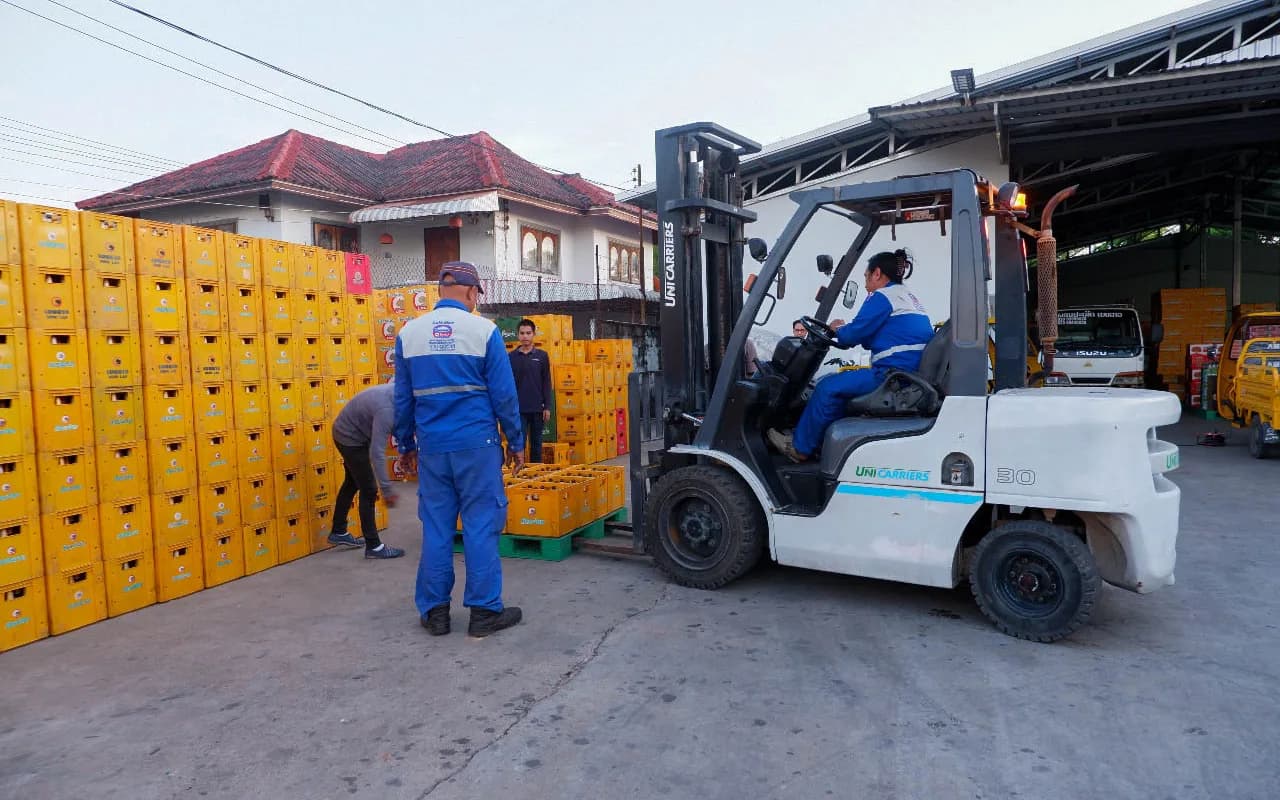
Stack only as many pallets as the goods and packaging can carry, on a level floor, with stable loads. Crushed bottom cartons and leaning stacks are the first warning that a stack is too high.
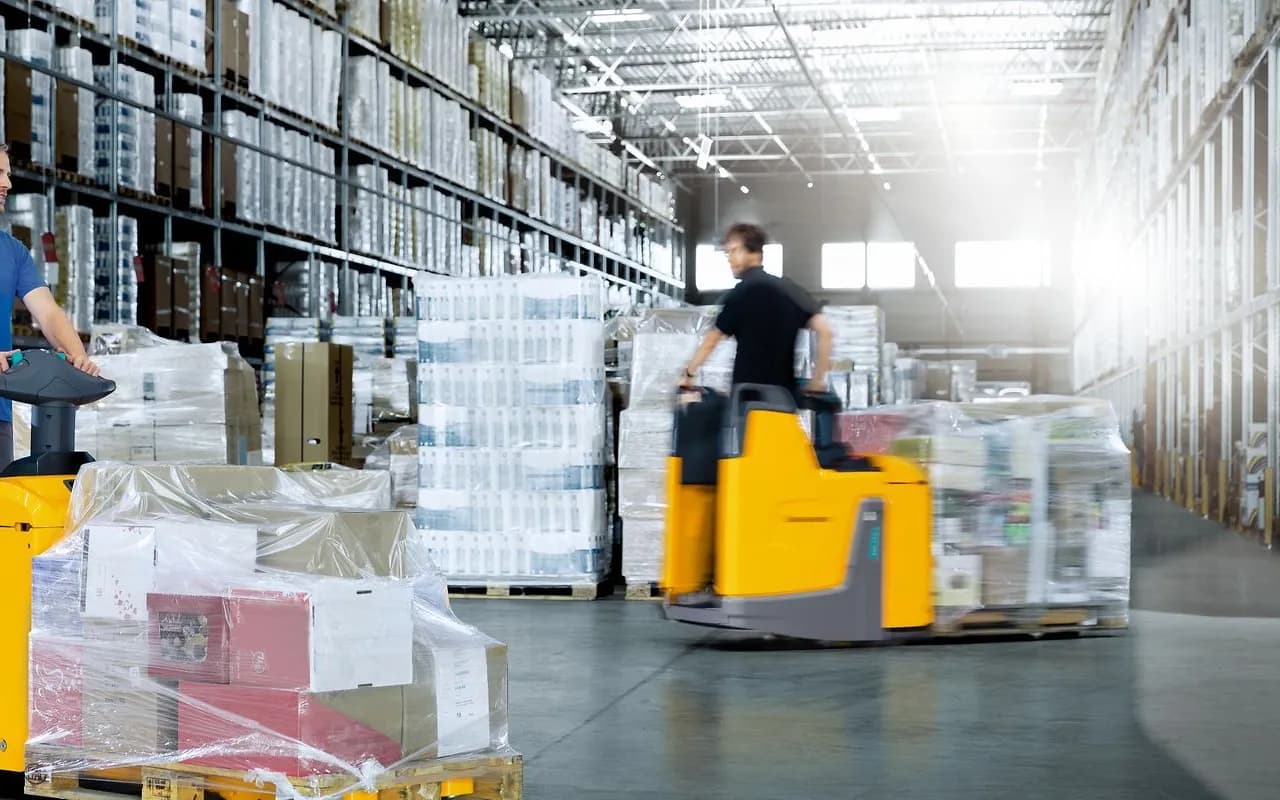
Most of the time in a warehouse goes on moving between places, not on lifting. Layout and the place each product is stored decide how far people and trucks travel for every order.
Products picked most often belong nearest the dispatch area, at easy working height. Slow movers can go higher and further away. Review the storage places when your product range or sales pattern changes.
Receiving, storage, picking and dispatch work better when trucks and pickers do not cross each other's paths. A one-way flow through the building cuts waiting time and the risk of collisions.
A forklift is not always the fastest tool. Pallet trucks and stackers suit short moves and order picking; forklifts suit loading vehicles and high storage. Matching each task to the right equipment frees forklifts for the work only they can do.
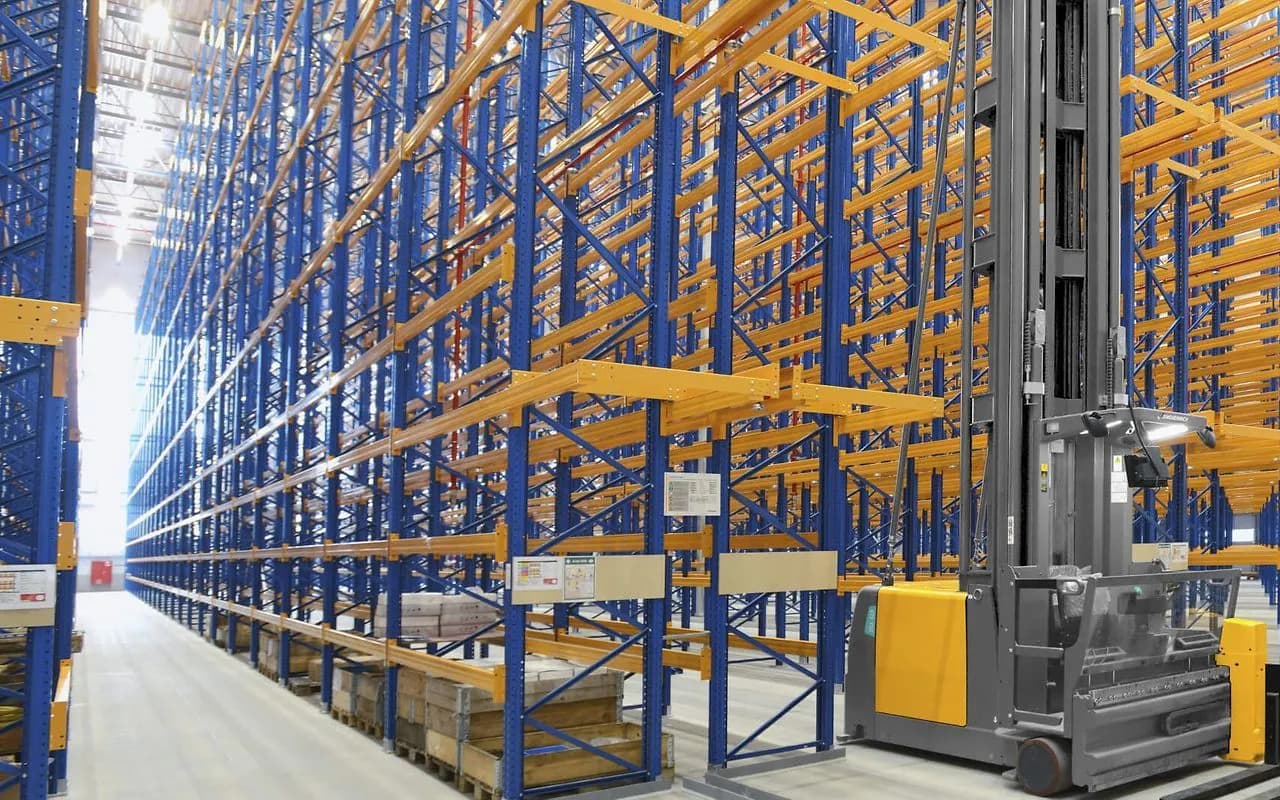
Aisle width and truck choice are one decision. A truck that needs more room than the aisle gives works slowly, hits racking and damages goods.
Every forklift's data sheet states the aisle width it needs to turn and stack a pallet of a given size. Compare that figure with your aisles, measured between loads, before you buy or rent, and leave room for the operator.
When floor space is tight, a reach truck or another narrow-aisle truck can store more pallets in the same building. These trucks need a smooth, level floor and suit indoor work, so the floor is part of the decision.
Pallets parked in aisles, wrapping waste and staged goods narrow the working width and hide pedestrians. Marked floor lanes and a staging area by the dock keep aisles open and walkers visible.
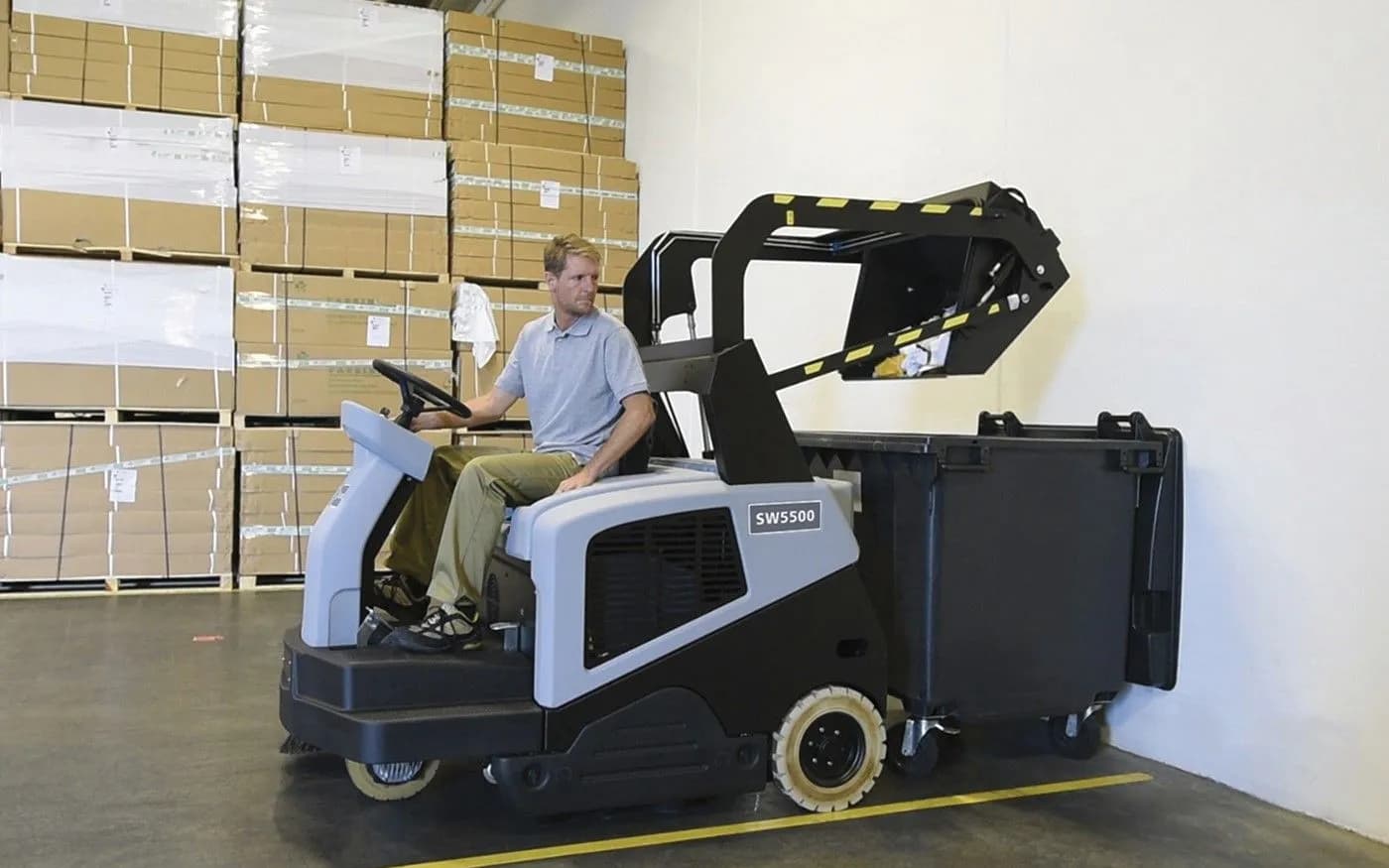
Floors carry everything in a warehouse. Dust settles on stock and machines, and oil or water turns a busy floor into a slip risk for people and a skid risk for forklifts.
Sweeping on a schedule removes the dust and pallet debris that forklift tyres grind into the floor. Clean spills straight away and find where they come from: a leaking truck, a damaged pack or a roof leak.
Sweepers collect dry dust and debris; scrubber dryers wash and dry the floor in one pass, so it can be used straight away. The area, the floor and the type of dirt decide which you need.
A clean, dry floor gives forklift tyres grip for braking and turning. Cracked concrete and loose debris also wear tyres faster and shake loads, so floor repairs belong on the same list.
Tell us what you need and we reply with a quotation.