
Maintenance & Repair

Forklift Maintenance and Repair in Laos

Preventive service, diagnostics and repair, at your site or in our workshop.

What we service

Preventive maintenance

Planned servicing at set intervals, so small faults are fixed before they stop work.

Read more

Breakdown repair

Fault finding and repair when a forklift will not start, lift, steer or stop as it should.

Read more

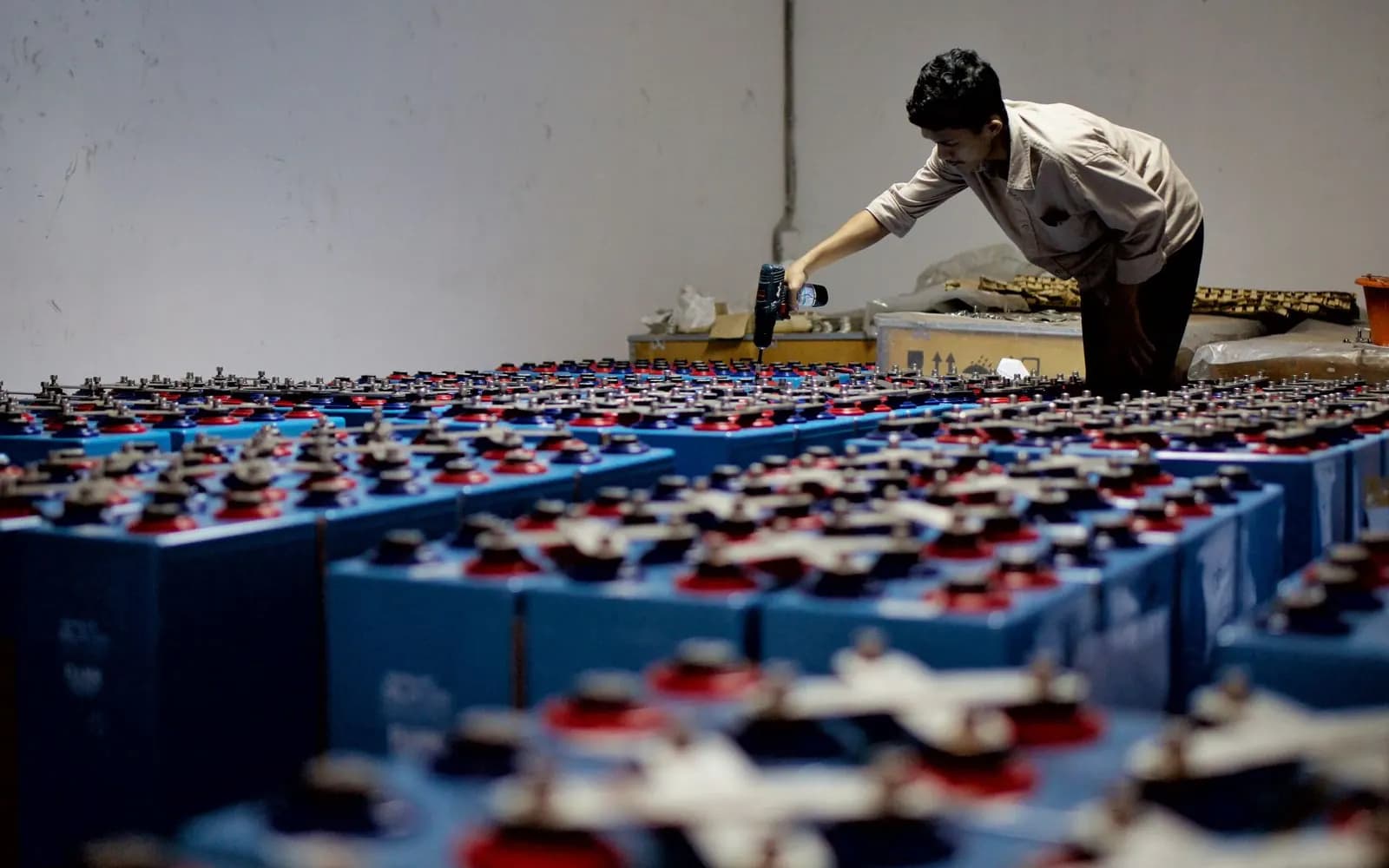
Battery and charger service

Watering, equalising charges and charger checks that keep electric forklifts running a full shift.

View details

Inspection

Safety and condition checks of the mast, chains, forks, brakes and safety devices.

Read more

Preventive maintenance

A forklift that is serviced on schedule rarely stops without warning. Preventive maintenance replaces wearing parts and fluids at set intervals, so faults are found during planned work instead of in the middle of a shift.

typical service interval, by operating hours
200–250 h
for lightly used trucks, whichever comes first
3 months
operator check before work starts
Every shift

What a scheduled service covers

Engine oil, hydraulic, coolant, transmission and brake fluids are checked and changed to the manufacturer's plan, and filters are replaced. The mast, lift chains, brakes, steering and tyres are inspected and adjusted, so a weeping hose or a worn brake is dealt with before it turns into a breakdown.
Setting the right interval

Manufacturers set service by operating hours, typically every 200 to 250 hours, or about every three months for trucks that work fewer hours. Multi-shift work, heavy loads, heat and dust all shorten that interval. Share each truck's hours and working conditions, and the schedule is built around them.

Planned around your operation

Because the work is planned, it can be booked for a quieter day instead of interrupting loading and dispatch. In a mixed fleet, each truck follows its own schedule, so no unit is overlooked and running costs become predictable.

Between services, operators check every shift

  • Forks, chains and mast for damage
  • Tyres and wheel nuts
  • Fluid leaks under the truck
  • Brakes, steering and horn
  • Lights, alarm and seat belt
  • Battery charge or fuel level

Breakdown repair

When a forklift stops, loading and dispatch stop with it. Breakdown repair finds the real cause of the fault, fixes it and returns the truck to work safely, whatever its make or fuel.

Faults we diagnose and repair

Typical faults include trucks that will not start, electrical problems, slow or jerky lifting, hydraulic leaks, heavy steering, weak brakes, and damage to the mast, chains or tyres. The aim is to fix the cause, not only the symptom, so the same fault does not return a week later.

Safety comes first

Some faults make a truck unsafe to use. Leaking hydraulics can let a raised load drop, and weak brakes or steering put the operator and everyone nearby at risk. If you see one of the warning signs below, lower the forks, park the truck and keep it out of use until it has been checked.

Help us bring the right parts

Send the brand, model and serial number from the nameplate, with a short description and a photo or video of the fault. With that information the likely parts can be prepared before work starts, which shortens the time the truck is out of service.

Stop the truck and call when you see

  • Fluid under the truck or on the hoses
  • Forks drifting down with a load
  • Slow, jerky or noisy lifting
  • Warning lights or smoke
  • Soft brakes or heavy steering
  • Cracked forks or damaged chains

Inspection

Forks, chains and brakes wear gradually, and often where nobody looks. A thorough inspection measures that wear against clear limits, so you know which trucks are safe to keep working and what needs attention next.

thorough examination, international practice
12 months
for fork arms and trucks that lift people
6 months
fork heel wear limit (ISO 5057)
10%

International benchmarks

Laos has no single forklift inspection law, so international practice is a sound guide. The UK LOLER regulations call for a thorough examination at least every 12 months, and every 6 months for fork arms and for trucks that lift people. Under ISO 5057, a fork arm worn by 10% at the heel is taken out of service.

When else to inspect

Before you buy or return a used or rented truck, after any collision or overload, and whenever operators notice a change in how the truck lifts, brakes or steers. If customers or insurers ask for proof that equipment is checked, an inspection gives you that picture truck by truck.

What an inspection examines

  • Mast, carriage and lift chains
  • Fork arms, heels and tips
  • Hydraulic hoses and cylinders
  • Brakes and steering
  • Tyres and wheels
  • Lights, alarms and seat belt

How a service booking works

  1. Step 1

    Report the issue

    Brand, model, serial, symptoms.

  2. Step 2

    Schedule

    Date and location.

  3. Step 3

    Service

    Technician works.

  4. Step 4

    Report

    What was done and next steps.

Book a service visit

Symptoms, error codes, hour meter reading, or the service that is due.

0 / 500

Up to 2 photos of the machine, its nameplate or the part. JPEG, PNG or WebP, 5 MB each.

Service questions

Related solutions

Spare Parts

Parts matched by model and serial number.

View details

Forklift Rental

Short and long term forklift rental.

View details

Long-Term Rental

Forklifts for steady operations.

View details

Used Forklifts

Selected used forklifts and inspection.

View details

Get your quotation

Tell us what you need and we reply with a quotation.