
Where electric fits best
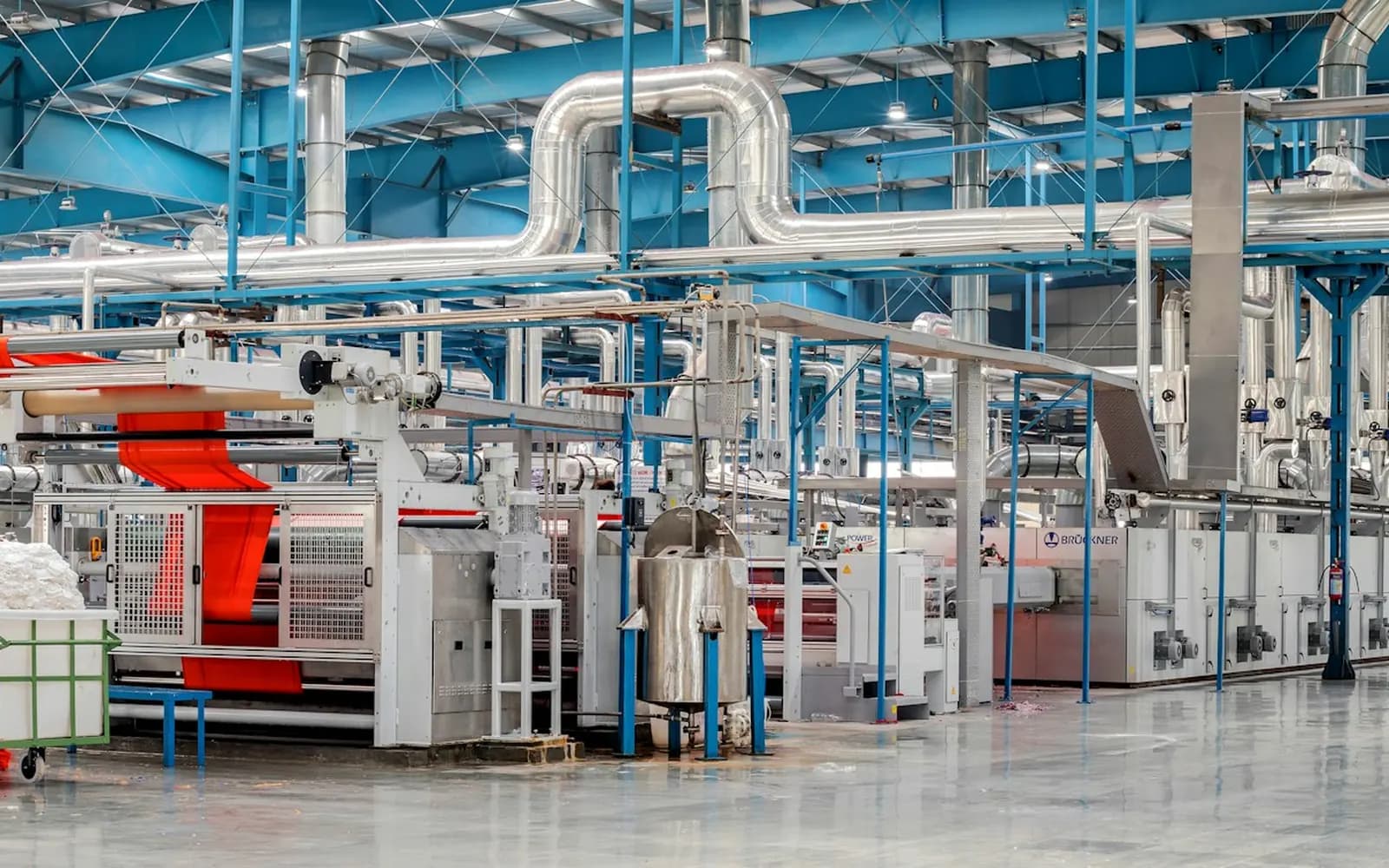
Smooth indoor floors, short to medium travel and steady loads suit electric trucks. Outdoor yards with rough ground or long slopes may still need an engine truck, and many plants run both.
Industries · Manufacturing
Raw material in, finished goods out, all day. Keep your lines supplied and your dispatch on time.
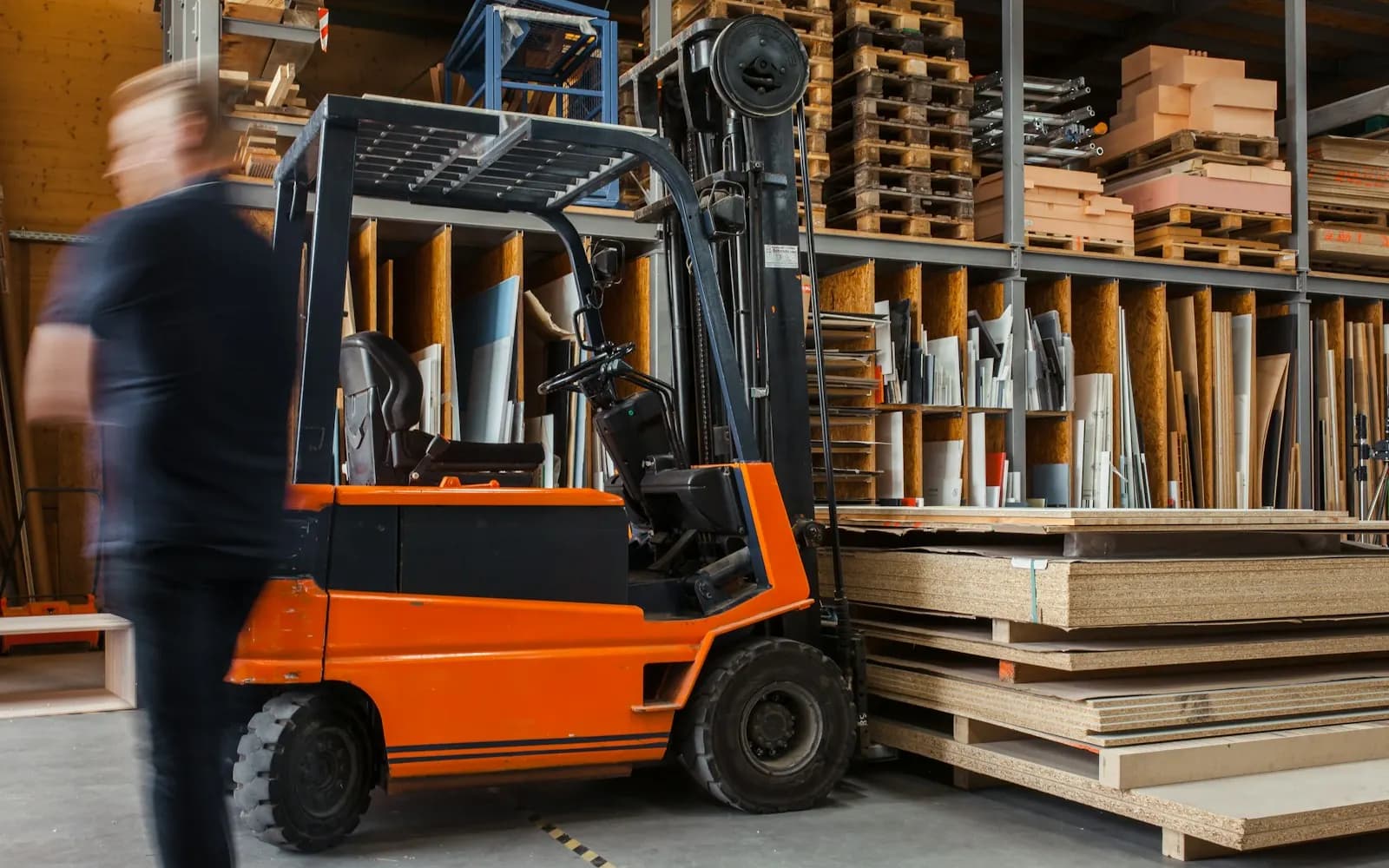
Inside a factory the air and the noise matter. Electric forklifts give off no exhaust where they work and run quietly, which makes them the usual choice for production halls and indoor stores.
Smooth indoor floors, short to medium travel and steady loads suit electric trucks. Outdoor yards with rough ground or long slopes may still need an engine truck, and many plants run both.
Electric trucks have no engine oil, fuel filters or exhaust system to look after. Routine service centres on brakes, hydraulics, tyres and the battery, which keeps planned maintenance simpler.
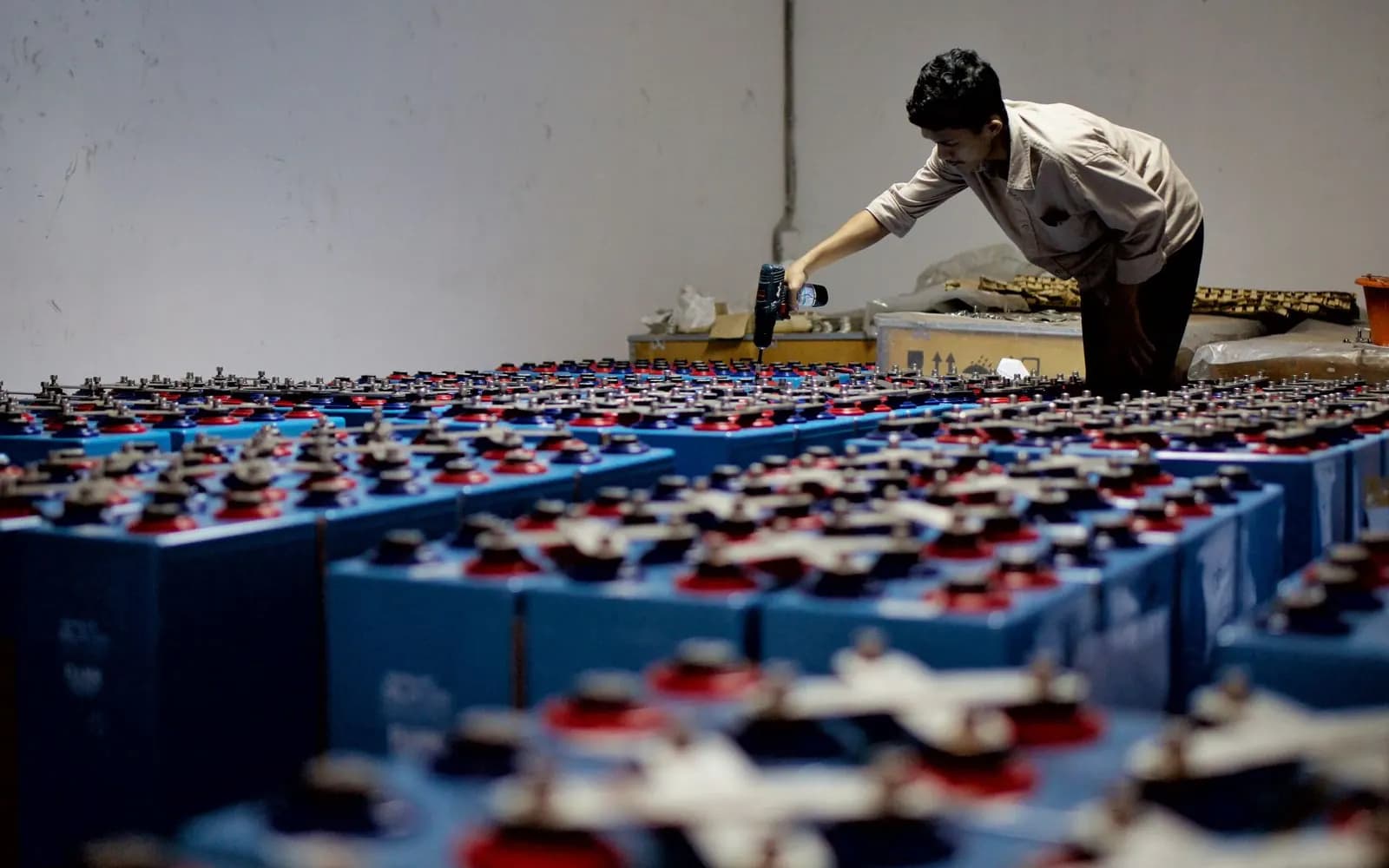
An electric truck is only as reliable as its battery. In a plant that runs long shifts, the charging plan decides whether the trucks last until the end of every shift.
For one shift, one lead-acid battery charged overnight is usually enough. For two or three shifts, plan a second battery per truck or chargers made for charging in breaks.
Charge lead-acid batteries in a ventilated area away from sparks, with eye protection, gloves and water for rinsing close by, and keep the charging area out of the way of truck traffic.

Line-side work is a series of short, frequent moves: raw material in, finished goods out. Pallet jacks and stackers handle those moves in the tight spaces around machines.
A stacker can hold material at working height beside the line, and a pallet jack can bring the next pallet before the current one runs out, so machine operators never wait for material.
Compact equipment near machines and people keeps the heavier forklifts in the stores and on the dock, where they are safer and do the work only they can do.
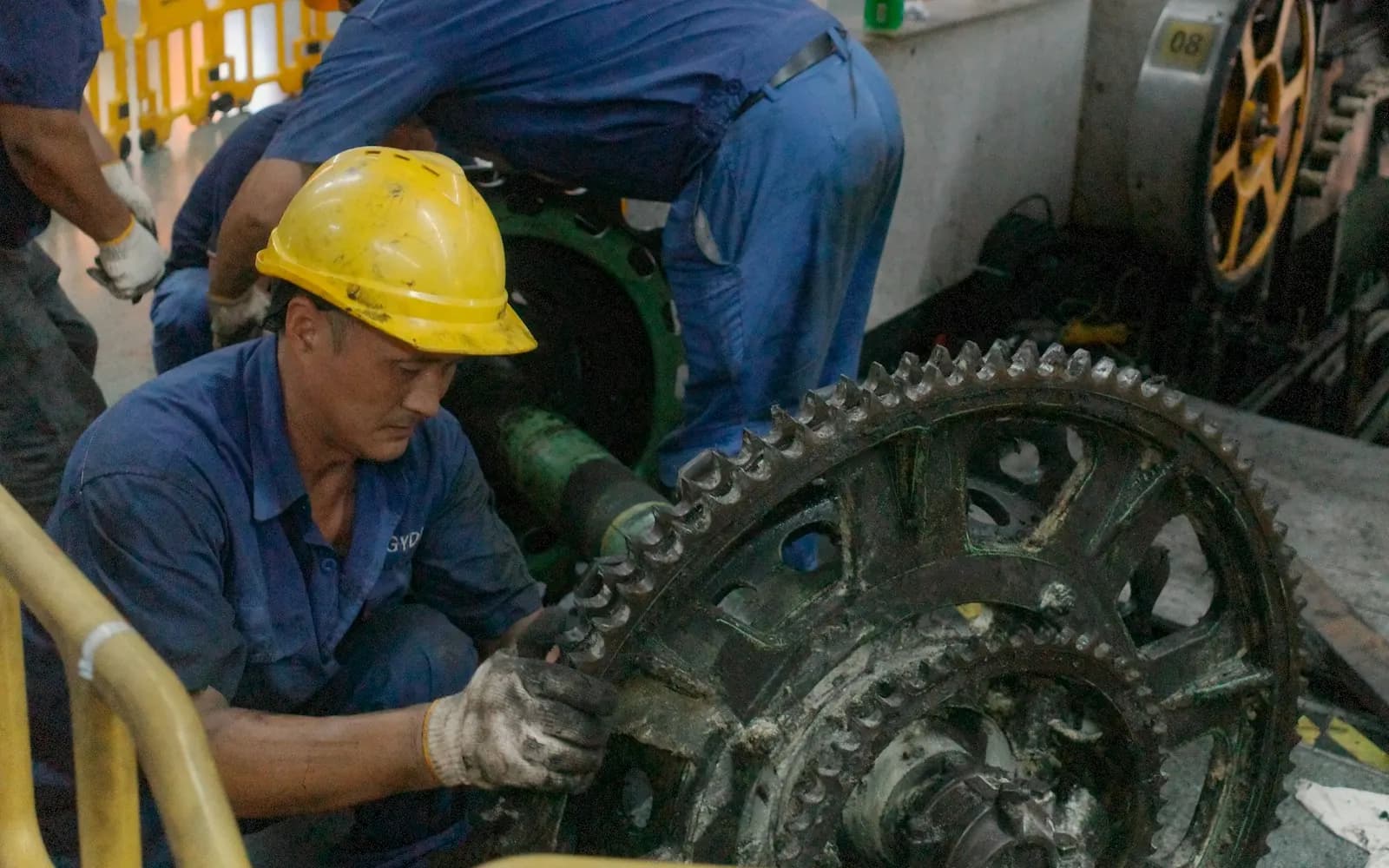
In a factory an unplanned stop costs more than the repair. Preventive maintenance finds wear before it stops a truck in the middle of a shift and holds up a production line.
Forklifts are usually serviced every 200 to 250 working hours or every three months, whichever comes first. Multi-shift plants reach those hours quickly, so the schedule follows the hour meter.
Service visits planned for shift changes, weekends or maintenance days keep the trucks available whenever the lines are running, instead of taking them away at the busiest time.
Step 1
Loads, hours, site and what is slowing you down.
Step 2
An advisor looks at floors, aisles, ramps and docks with you.
Step 3
Rent, buy new or used, or a mix, with the quotation in writing.
Step 4
Maintenance, parts and batteries from the same team after delivery.
Send these and an advisor can recommend the right equipment the first time.
Tell us about your operation and we reply with a recommendation and a quotation.