Plan the peak in advance
Look back at last year's busiest weeks and book extra trucks before them. Peak months are busy for everyone, so an early request is easier to match with the right capacity and mast.
Industries · Logistics
Containers, trucks and trains arrive in waves. Keep loading, storage and dispatch moving every shift.
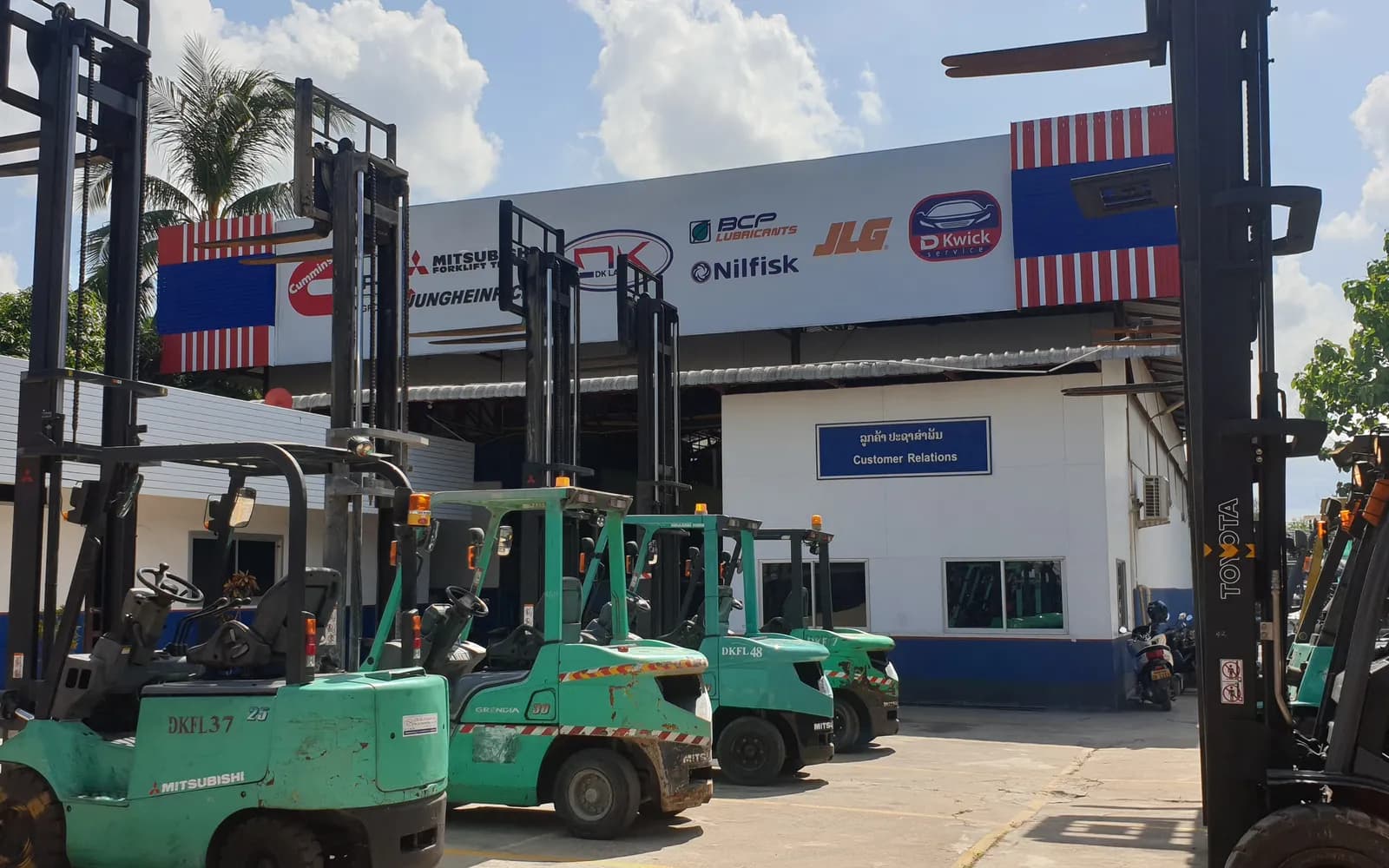
Logistics volumes rise and fall with harvests, festivals and the end of the year. Renting the extra trucks for those weeks keeps the dock moving without paying all year for machines that stand idle.
Look back at last year's busiest weeks and book extra trucks before them. Peak months are busy for everyone, so an early request is easier to match with the right capacity and mast.
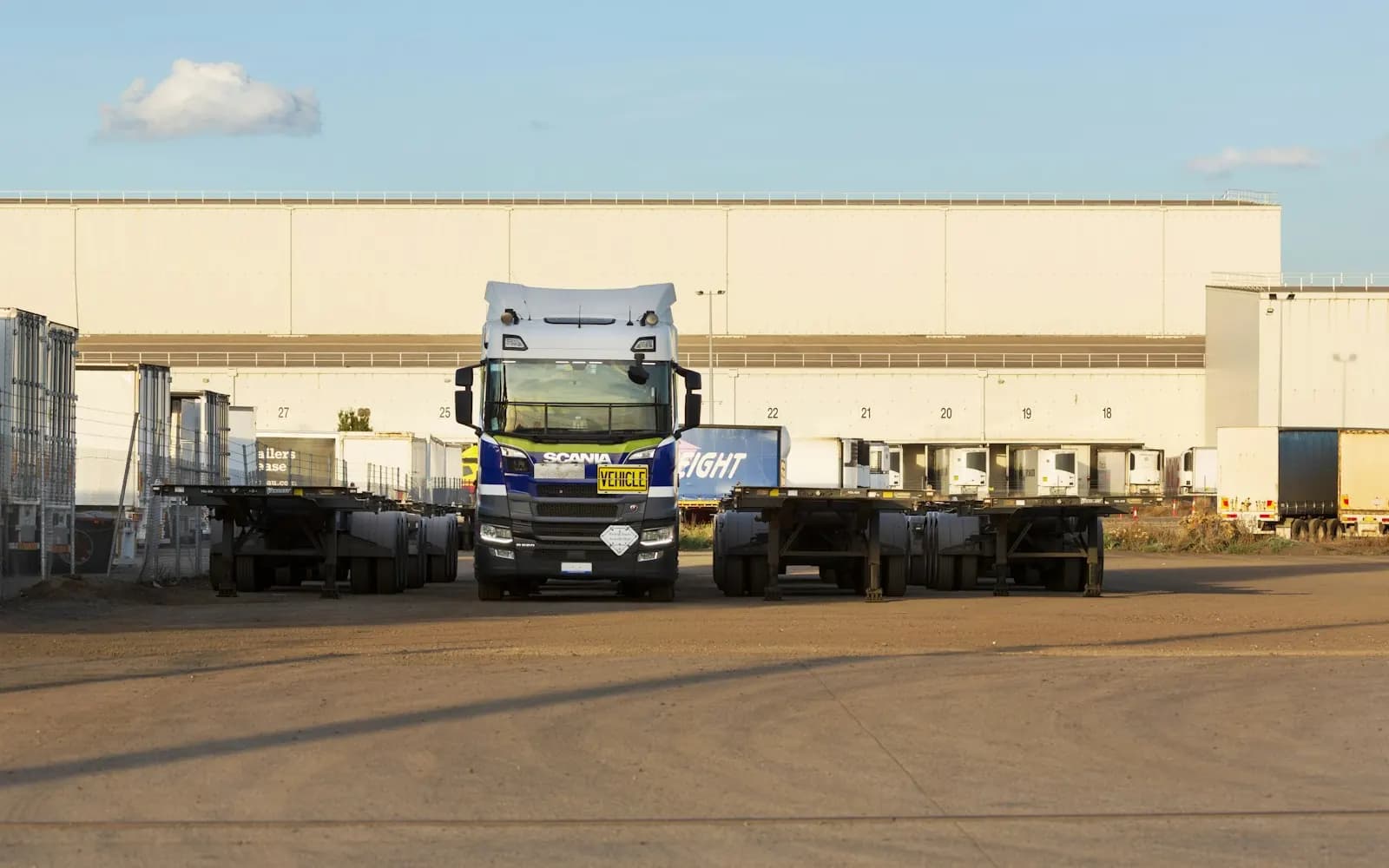
Container work needs a truck with a low lowered mast and free lift; yard work needs tyres for rough ground. Tell us where the rented trucks will work, not only how many you need.
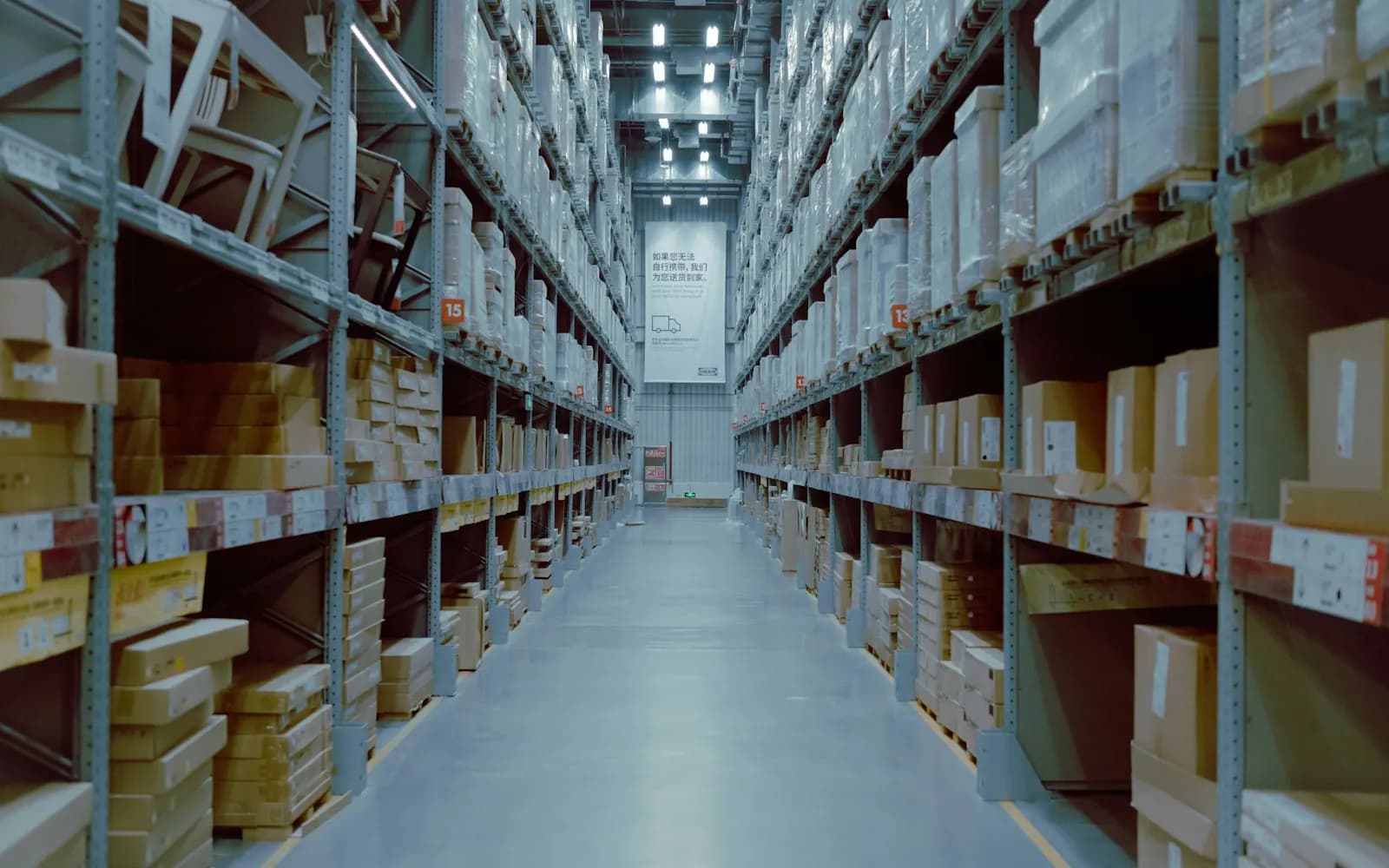
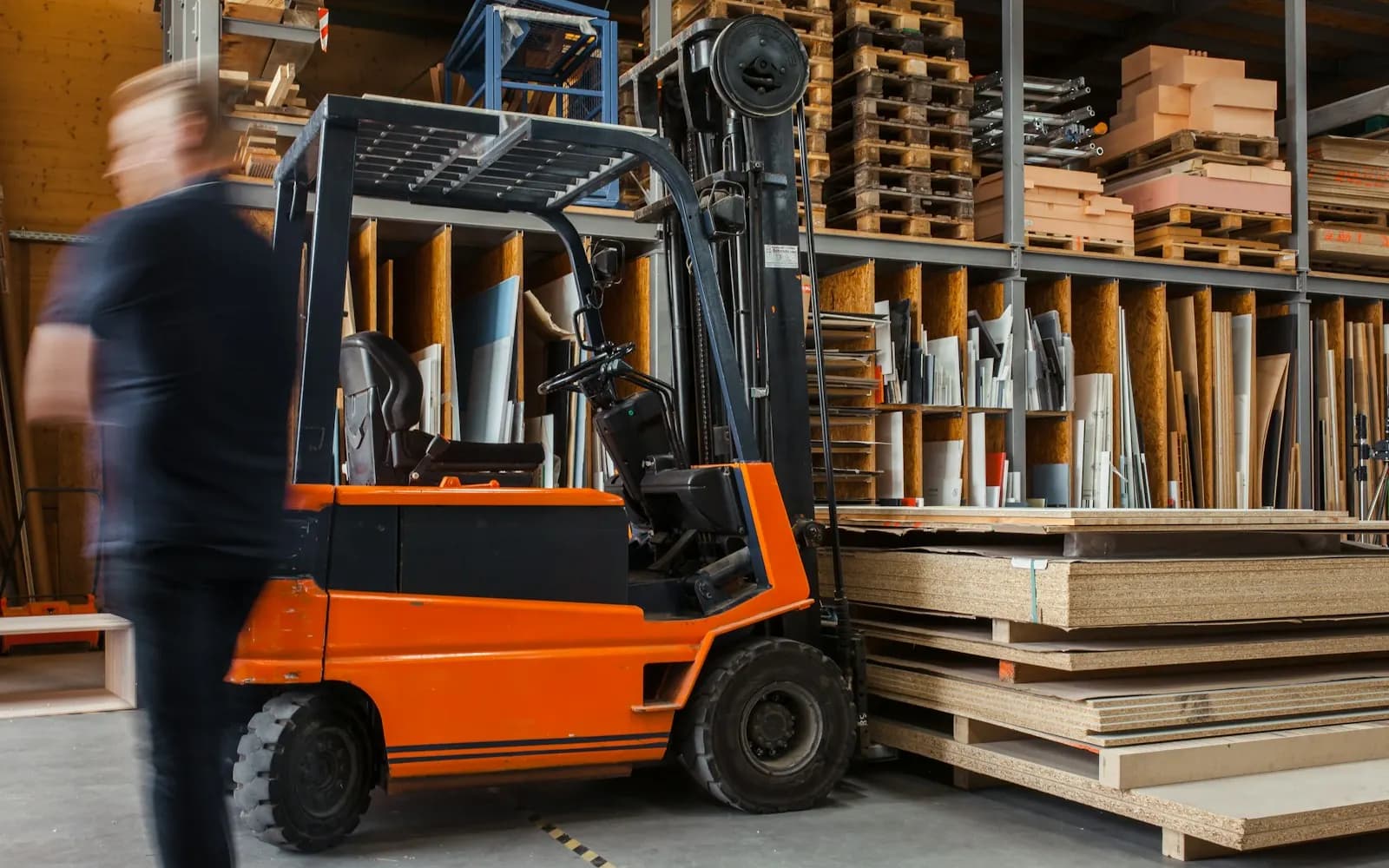
Many warehouses still stack pallets on the floor and use only the lower part of the building. Racking planned around your goods and trucks turns that empty height into storage you already pay for.
The rack height must match what the forklift can lift, and the aisle width must match the room the truck needs to turn and stack. Planning both at once avoids racking the fleet cannot reach.
Every rack bay needs a visible load sign, uprights beside busy aisles need guards, and your team should look for damage regularly. A damaged upright carries less than its rating.

Not every move needs a forklift. On the dock and in short aisles, pallet jacks and stackers move pallets quickly and leave the forklifts free for loading trucks and high racking.
A pallet jack is the quickest way to move a pallet a short distance at floor level, such as from a truck to a staging lane. A stacker lifts pallets to lower rack levels in aisles where a forklift cannot turn.
Powered pallet trucks and stackers save effort on long or frequent moves, and keep the team working at the same pace through the shift, especially with heavy drink or cement loads.
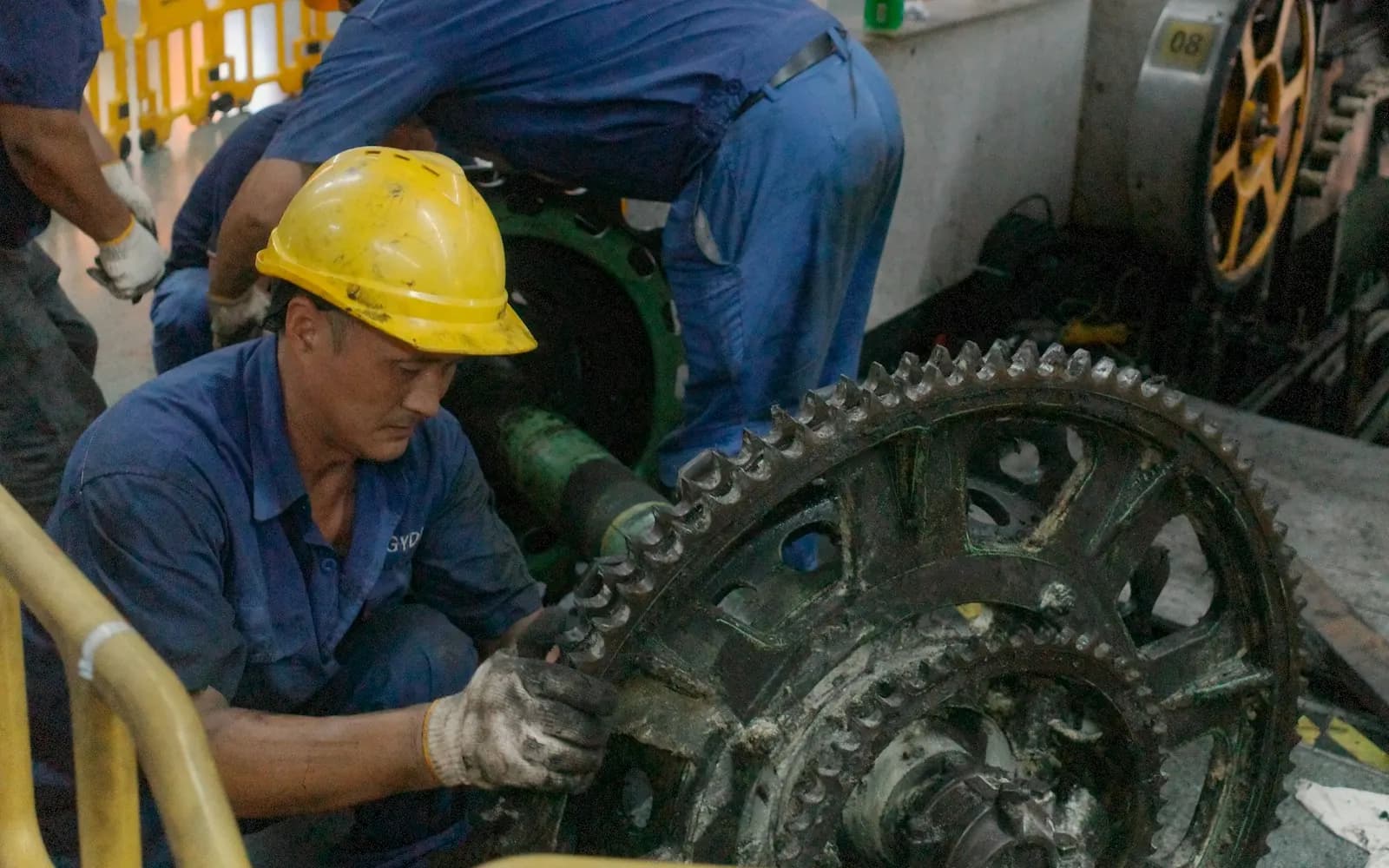
In logistics, one forklift that stops mid-shift holds up the whole dock. Service planned around your shifts and seasons keeps trucks working when the containers arrive.
Plan the main service visits for the quieter weeks, so every truck has been checked before the busy season starts rather than taken off the dock in the middle of it.
Operators who check tyres, forks, chains, brakes and leaks before each shift find most faults while they are still small. A truck with a fault is taken out of use and reported, not worked around.
Step 1
Loads, hours, site and what is slowing you down.
Step 2
An advisor looks at floors, aisles, ramps and docks with you.
Step 3
Rent, buy new or used, or a mix, with the quotation in writing.
Step 4
Maintenance, parts and batteries from the same team after delivery.
Send these and an advisor can recommend the right equipment the first time.
Tell us about your operation and we reply with a recommendation and a quotation.