

Clean air near food
With no exhaust where they work, electric trucks help keep production and storage areas clean, which matters wherever products or packaging are open to the air.
Industries · Food and beverage
Bottles, cans, crates and sacks move in volume. Keep loading fast and floors clean.
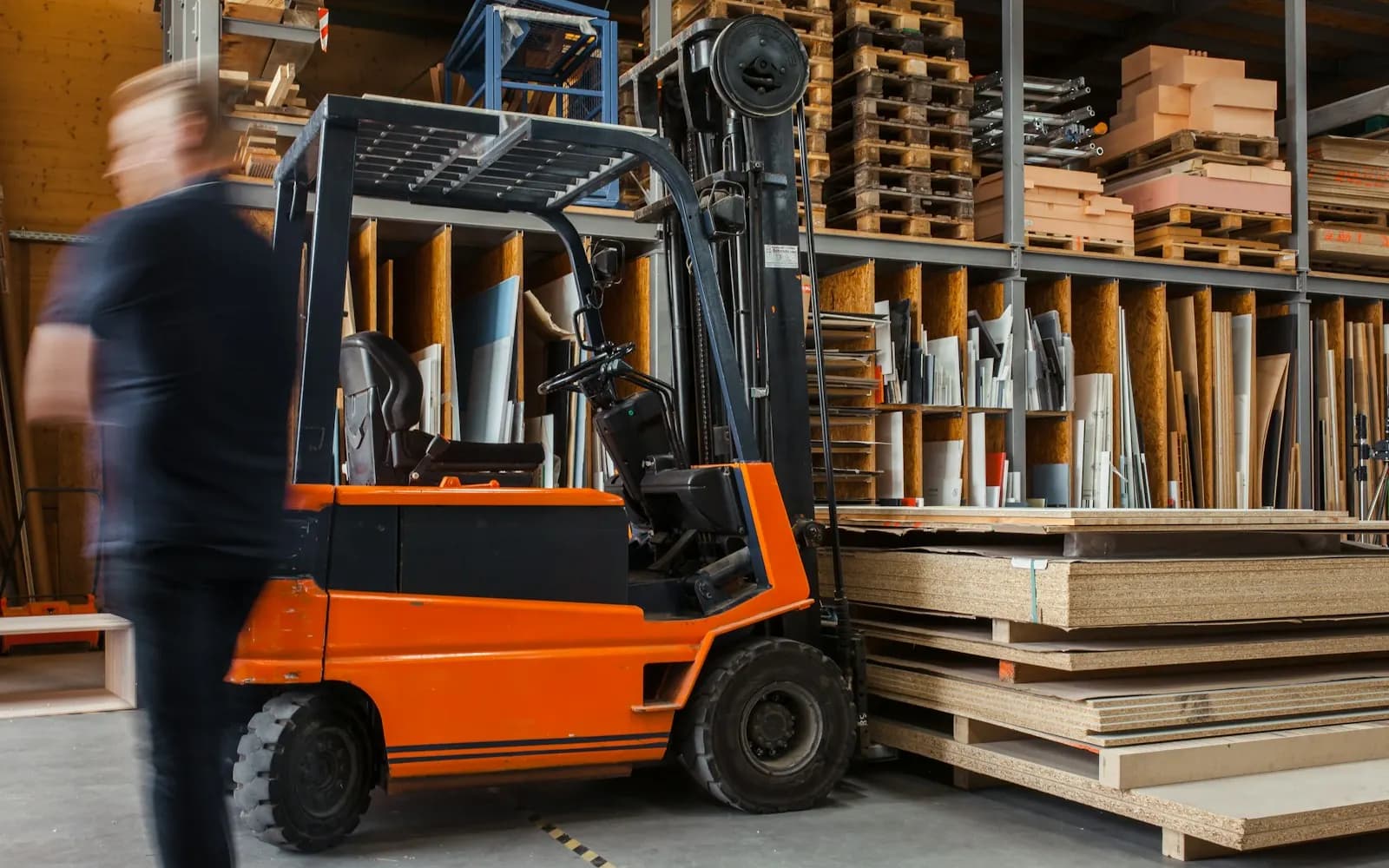
In food and drink production and storage, exhaust and noise are unwelcome. Electric forklifts give off no fumes where they work, which suits production, packing and storage areas.
With no exhaust where they work, electric trucks help keep production and storage areas clean, which matters wherever products or packaging are open to the air.
In the peak season trucks work long hours. Plan the battery and charging around those hours, with a spare battery or charging in breaks for the busiest weeks of the year.
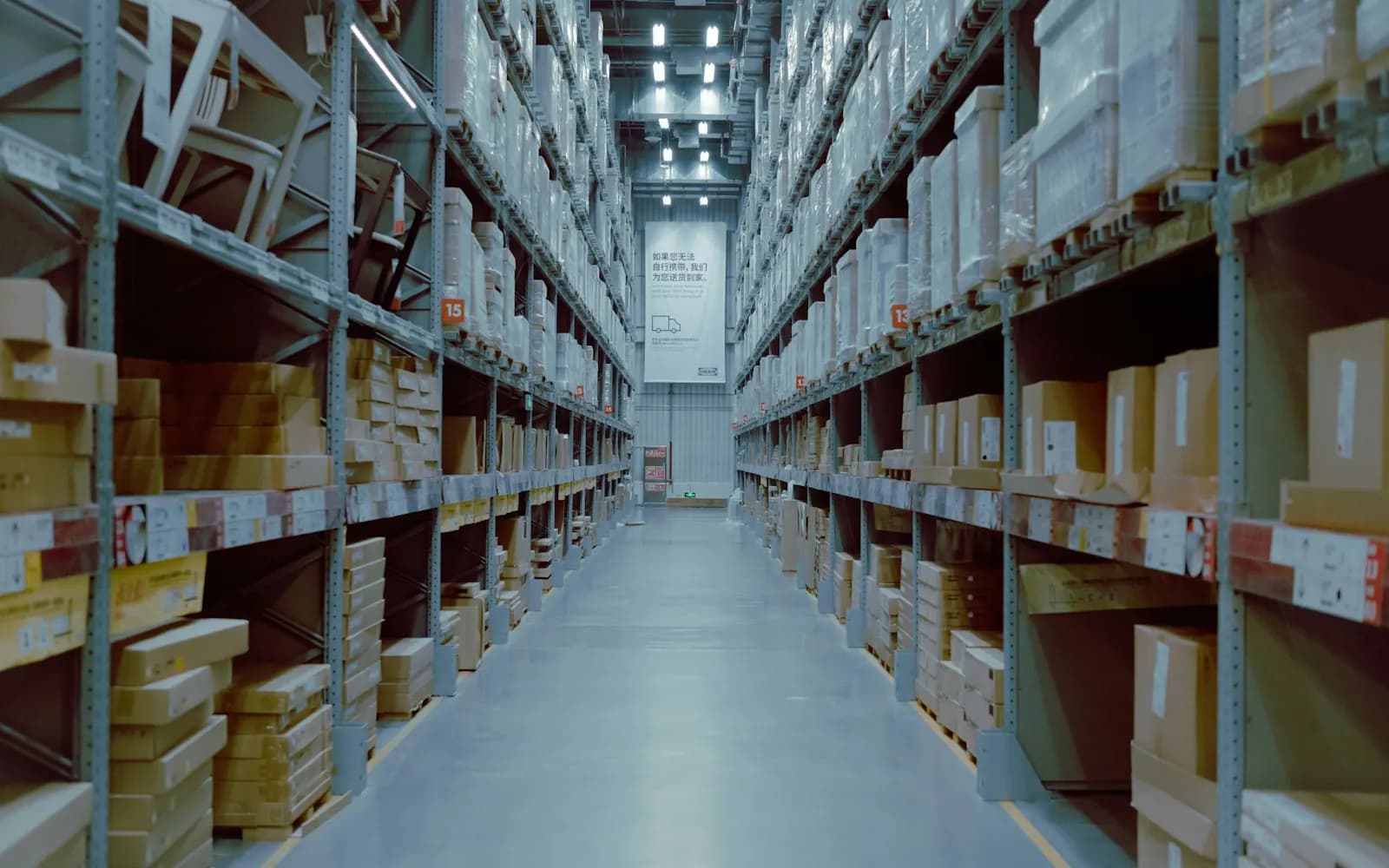
Food and drink carry best-before dates. Racking laid out for first in, first out keeps older stock leaving first and makes it easy to see what is in the warehouse.
Lanes or locations arranged so pallets are put away at one end and picked from the other help older stock leave first, with fewer pallets moved twice to reach the oldest one.
Pallets of bottles and cans are heavy. Every rack level must be rated for the full pallet weight, carry a load sign, and be checked for damage from forklift contact.
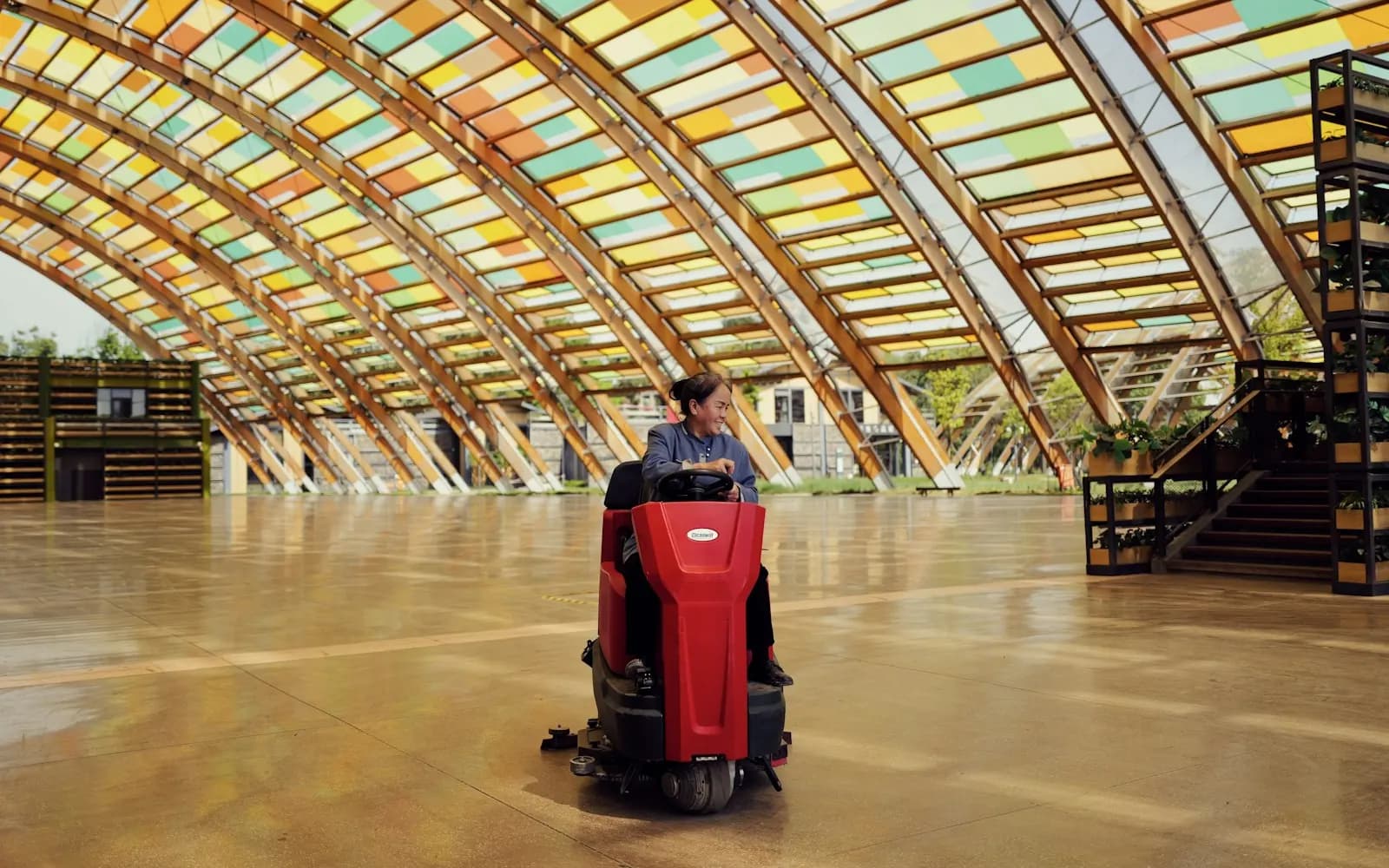
Spilled product, syrup and water make food and drink floors slippery and unhygienic. Nilfisk scrubber dryers wash and dry the floor in one pass, so it can be used again straight away.
A floor left dry gives forklift tyres grip and keeps people from slipping, which a mop and bucket cannot do in a busy hall where trucks keep crossing the wet area.
Walk-behind scrubbers suit smaller rooms, and ride-on machines cover large warehouses. Sticky spills may need a stronger detergent, and the machine is rinsed and dried after every use.
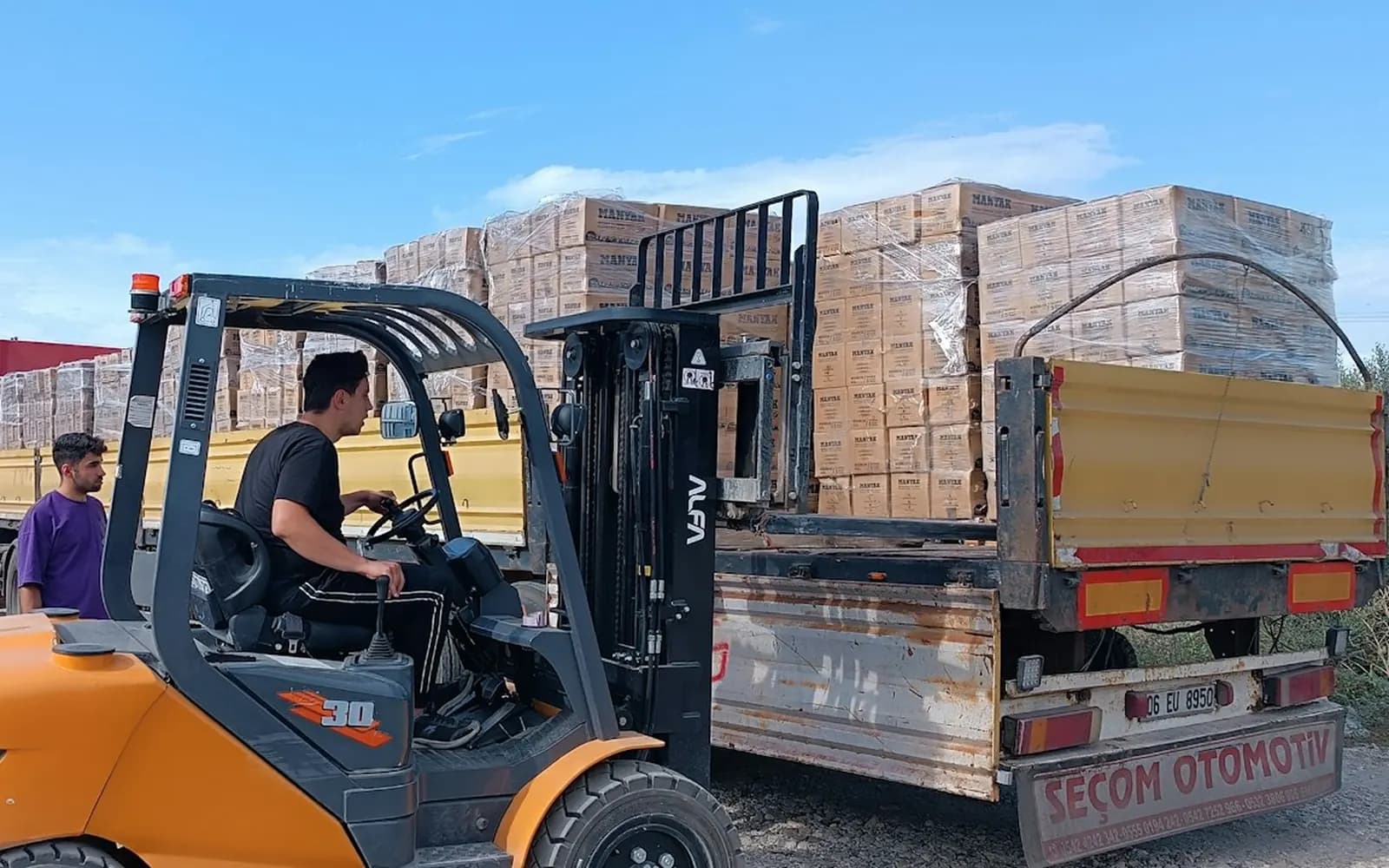
Drink sales rise sharply around festivals and the hot season. Renting extra forklifts for those weeks keeps loading on schedule without buying trucks for the peak.
Peak weeks are busy for every distributor. Plan the number of extra trucks and the dates early, so the right capacity is ready on site when the volumes start to rise.
Rented trucks should match the loads and lift heights of your own fleet, so operators can move between them safely and every truck can do every job in the busy weeks.
Step 1
Loads, hours, site and what is slowing you down.
Step 2
An advisor looks at floors, aisles, ramps and docks with you.
Step 3
Rent, buy new or used, or a mix, with the quotation in writing.
Step 4
Maintenance, parts and batteries from the same team after delivery.
Send these and an advisor can recommend the right equipment the first time.
Tell us about your operation and we reply with a recommendation and a quotation.