
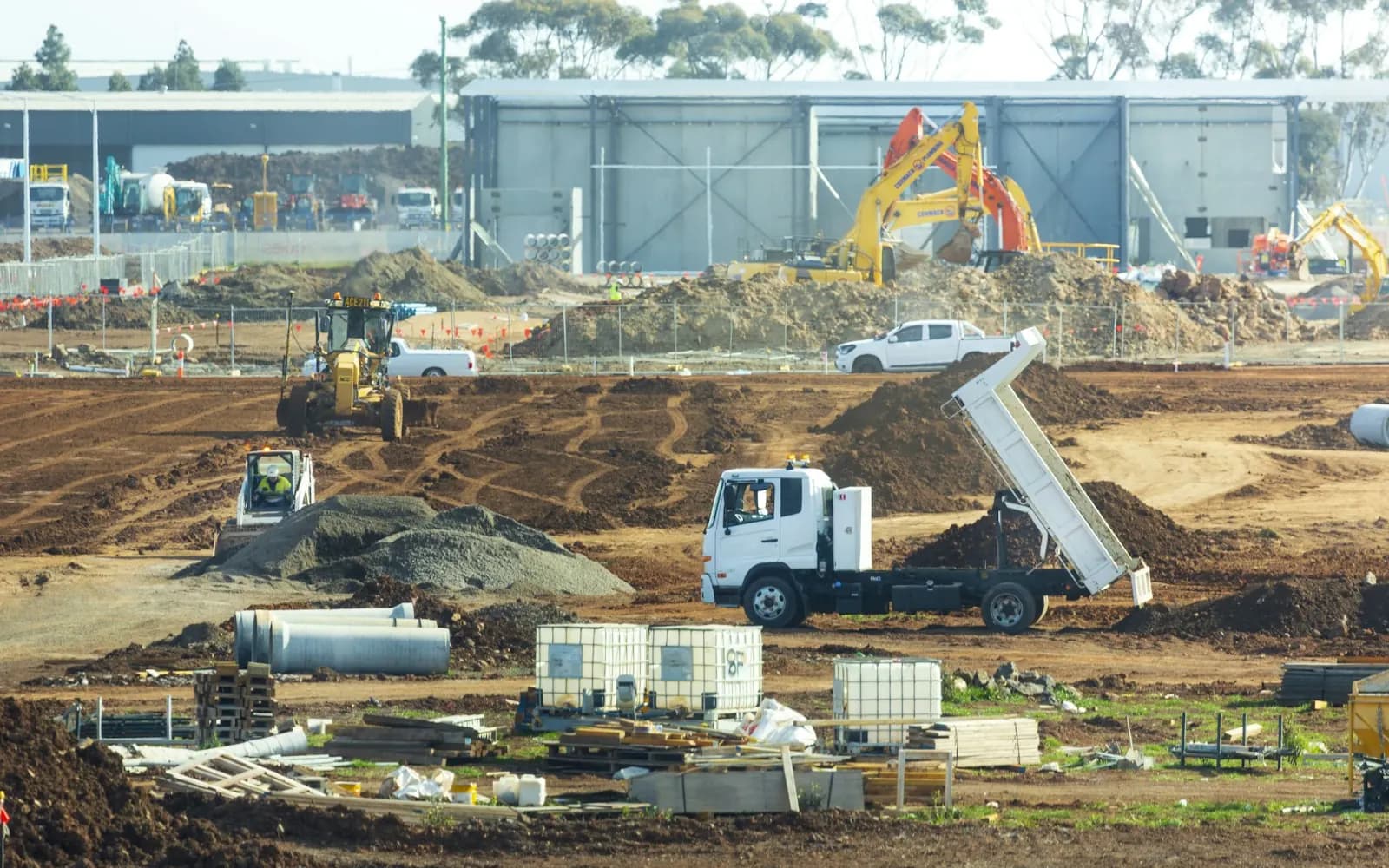
Match the truck to the phase
Unloading materials, moving bags and blocks, and lifting to upper floors each need different capacity and lift height. Tell us what the truck will do in each phase of the work.
Industries · Construction
Cement, steel and blocks on uneven ground, for the length of a project. Rent what the job needs.
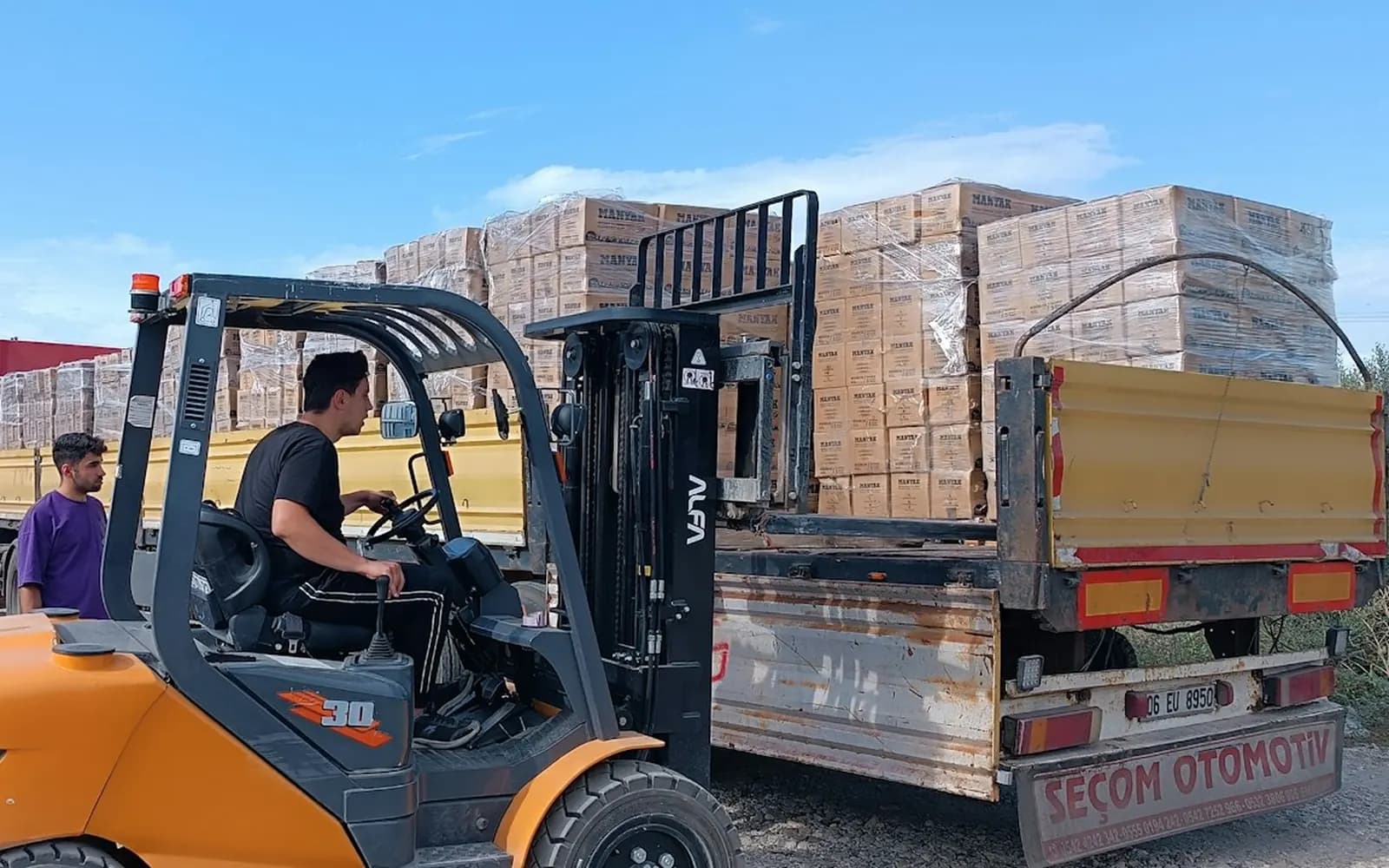
Most construction work happens in phases. Short-term rental puts the right truck on site for the weeks a phase needs it, and takes it away again when the phase is finished.
Unloading materials, moving bags and blocks, and lifting to upper floors each need different capacity and lift height. Tell us what the truck will do in each phase of the work.
Site access, firm ground at the unloading point and the right time of day all matter when a forklift is delivered. Share the site address and the access route when you book.
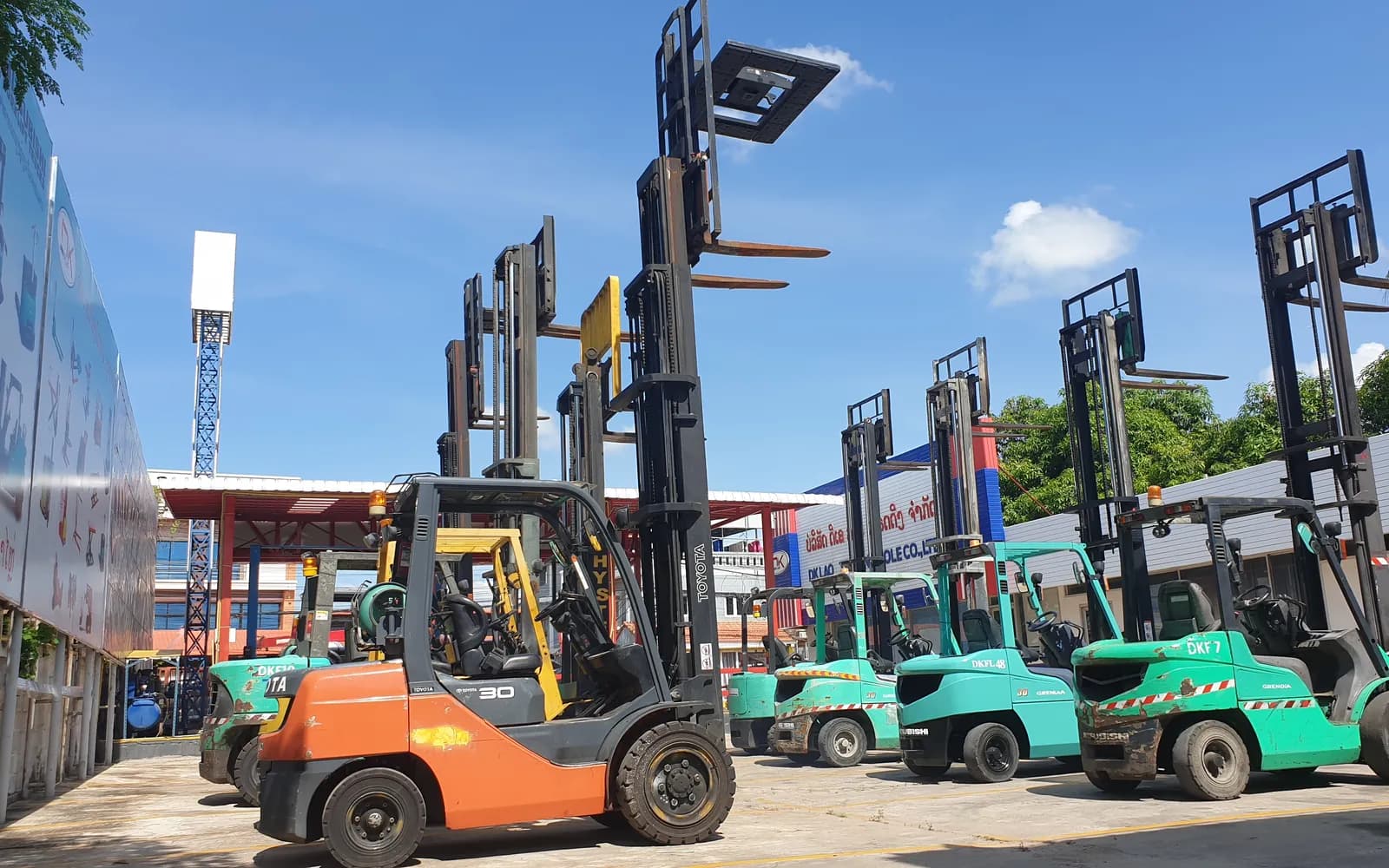
Projects that run a year or more need equipment for the whole programme. Long-term rental gives a steady truck at a planned monthly cost, without buying a machine that sits idle after the project.
Renting keeps money in the project instead of tied up in equipment, and a fixed monthly cost can be planned into the project budget from the start.
As a project moves from groundwork to building and finishing, the loads and heights change. Tell us early when the work changes, so the truck on site still fits the job.
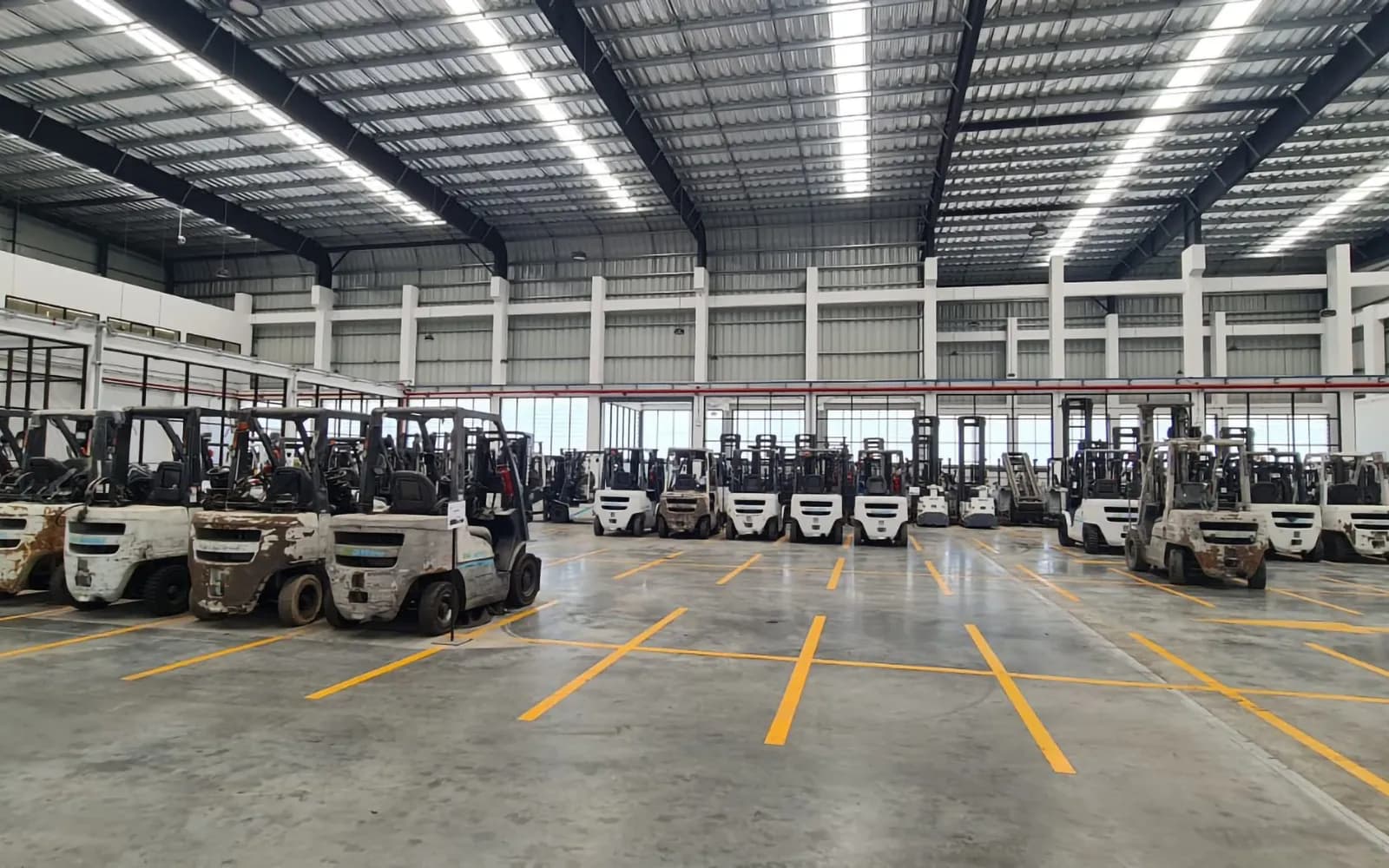
For contractors who work on sites year after year, a well-kept used forklift can be a sensible buy: a lower upfront cost for a machine that will face rough conditions anyway.
Look at the hour meter and service records, the mast, chains and forks, hydraulic leaks, tyres and brakes. On trucks that have worked on sites, look closely underneath and at wear on the mast.
Choose pneumatic tyres, enough ground clearance and engine power for the site, even if a smooth-floor warehouse truck costs less. The wrong truck on rough ground wears out quickly.
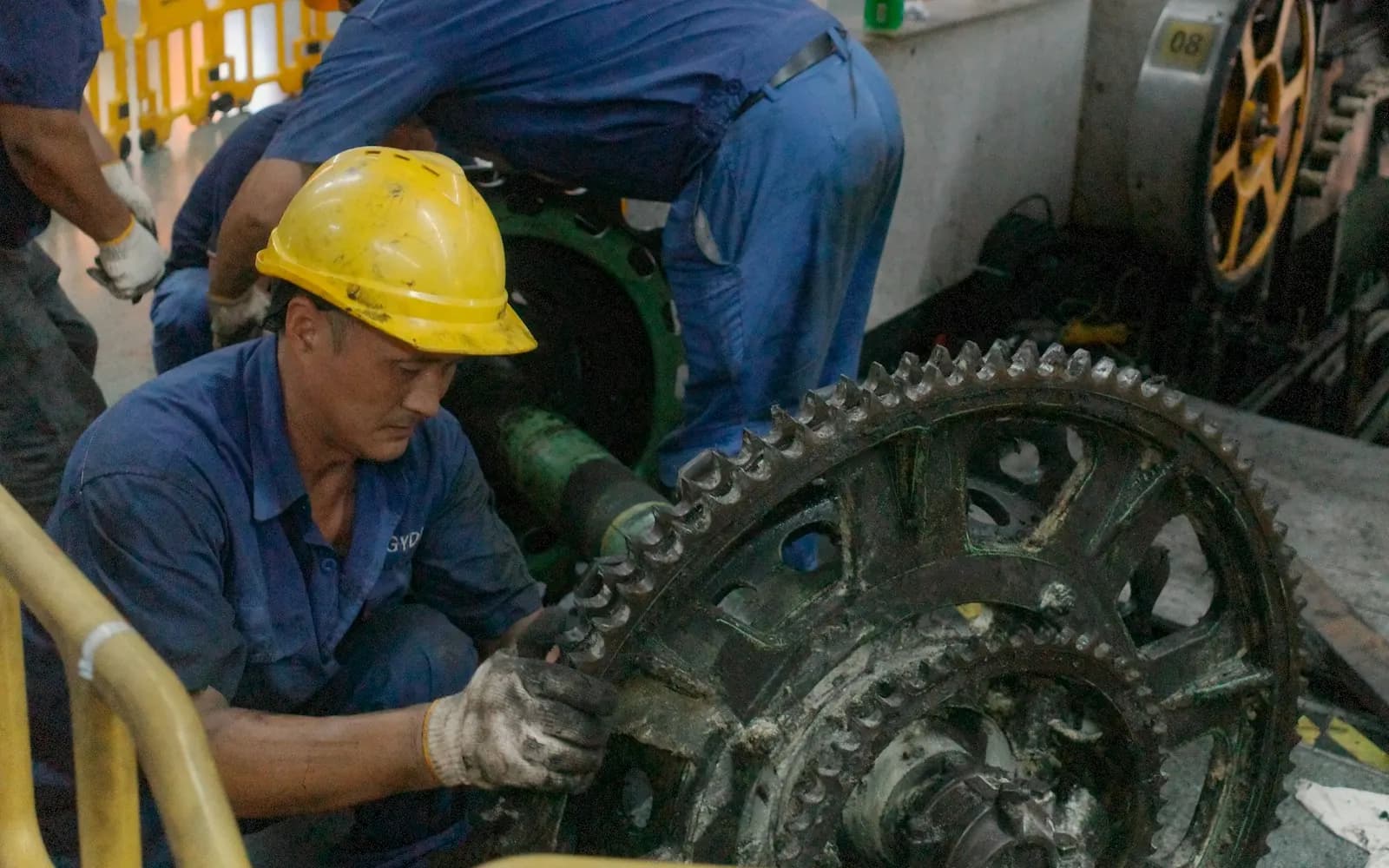
On a construction site a stopped forklift holds up crews and deliveries. A clear fault report and the right parts are what get it working again quickly.
Send the truck's brand, model and serial number, a short description of the fault and, if you can, a photo or video. That lets the technician find the cause sooner and prepare the likely parts.
A truck with a leaking hydraulic hose, weak brakes or a warning light should be stopped and reported. Working around a fault can turn a small repair into a long one and puts people at risk.
Step 1
Loads, hours, site and what is slowing you down.
Step 2
An advisor looks at floors, aisles, ramps and docks with you.
Step 3
Rent, buy new or used, or a mix, with the quotation in writing.
Step 4
Maintenance, parts and batteries from the same team after delivery.
Send these and an advisor can recommend the right equipment the first time.
Tell us about your operation and we reply with a recommendation and a quotation.